

How to Choose the Perfect Window Coverings for Your Home
Window coverings are more than just decorative features. They influence


Your home's drainage system works quietly in the background every day, carrying wastewater away from sinks, showers, toilets, and outdoor drains. Because it is largely hidden from view, it is often overlooked until a problem arises. Unfortunately, blocked drains, unpleasant odours, and overflowing gullies can quickly become disruptive and expensive if left unresolved.
The good news is that many drainage problems are preventable. With a few simple maintenance habits and an understanding of what causes blockages, homeowners can keep their drainage systems functioning efficiently throughout the year.
One of the leading causes of drainage problems is disposing of unsuitable materials down sinks and toilets. While water is designed to flow freely through your pipework, many everyday items can build up over time and restrict drainage.
In the kitchen, avoid pouring fats, oils, and grease down the sink, as these substances solidify inside pipes and trap food particles. Coffee grounds, vegetable peelings, and starchy foods should also be disposed of in the bin or compost rather than washed away.
In bathrooms, hair, cotton buds, wet wipes, and hygiene products are common causes of blockages. Installing simple drain strainers can significantly reduce the amount of debris entering the system. Regularly being mindful of what enters your drains is one of the easiest ways to avoid unnecessary plumbing problems.
Preventative cleaning helps remove minor build-ups before they develop into stubborn blockages. Flushing kitchen and bathroom drains with hot water once a week can help dissolve grease, soap residue, and light organic matter.
For routine maintenance, many homeowners also use natural cleaning methods such as bicarbonate of soda followed by white vinegar, before flushing the drain with hot water. This can help reduce odours and loosen minor deposits without relying on harsh chemicals.
Chemical drain cleaners should only be used occasionally and according to the manufacturer's instructions, as excessive use may damage certain types of pipework.
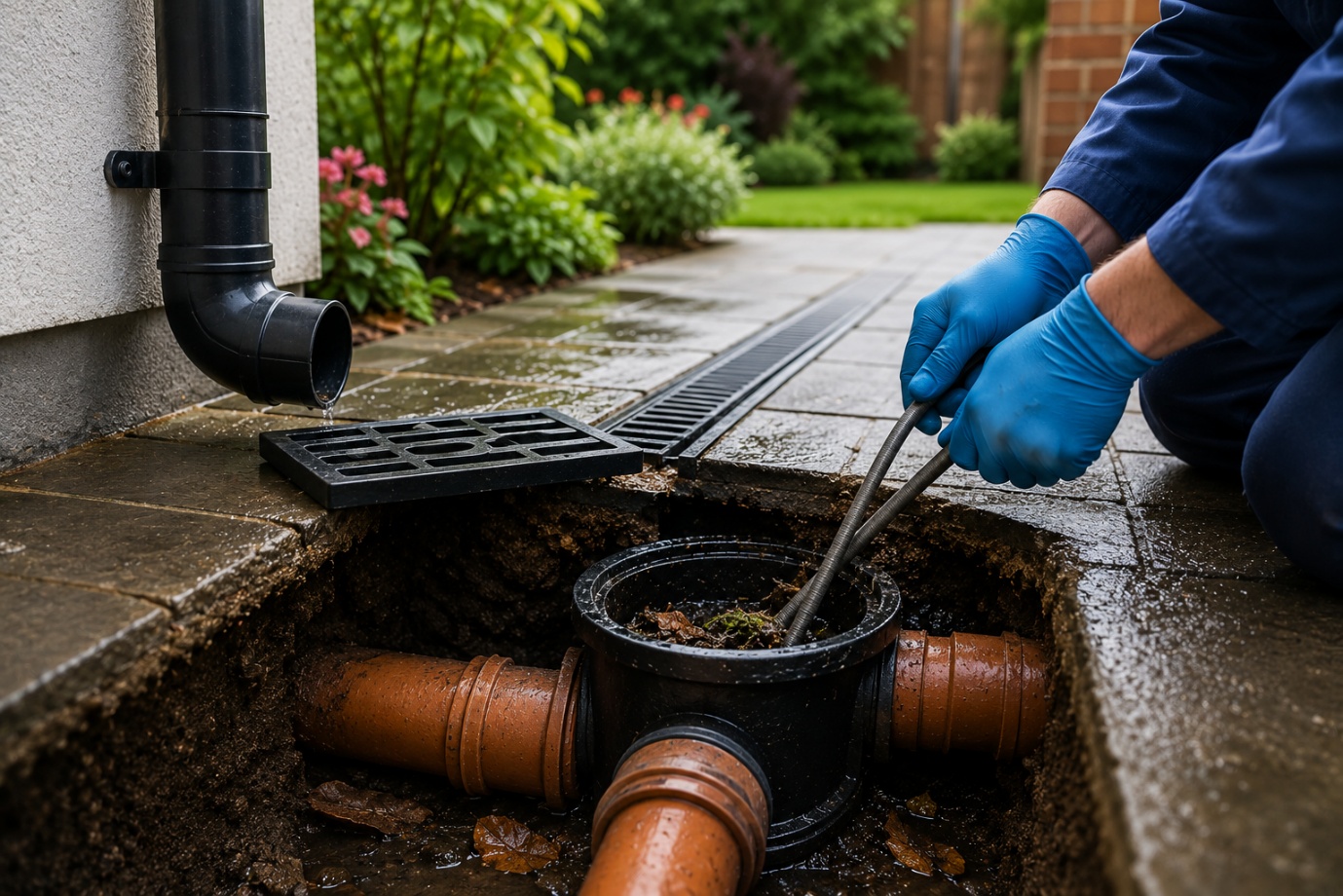
Drainage maintenance is not limited to the inside of your home. Outdoor drains, gullies, and inspection chambers can become blocked by leaves, moss, mud, and garden debris, particularly during autumn and after periods of heavy rainfall.
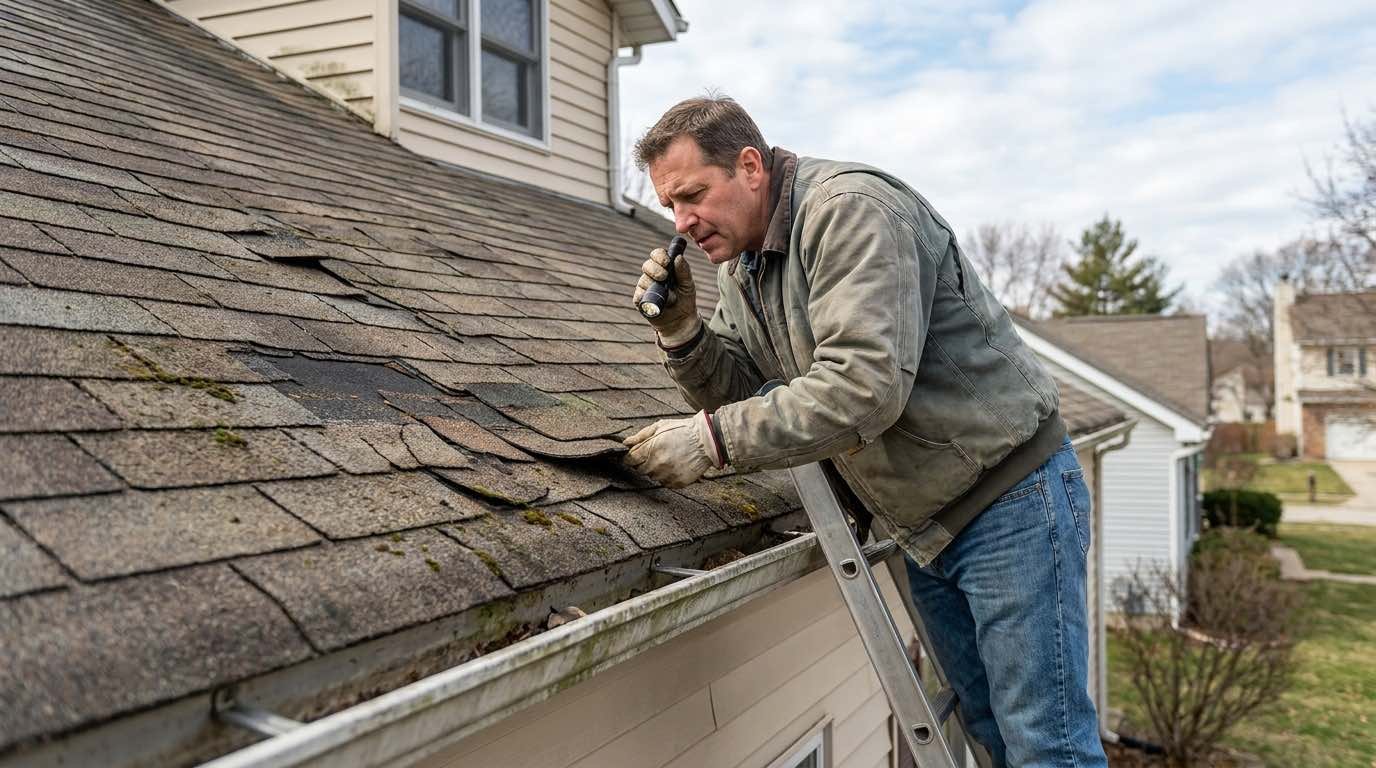
Regularly clearing drain covers and removing accumulated debris helps rainwater flow away efficiently, reducing the risk of standing water around your property. Gutters and downpipes should also be inspected throughout the year, as blockages higher up the drainage system can contribute to overflow and water damage.
Simple seasonal checks can prevent expensive repairs later while protecting both your home and your garden.
Drainage issues often develop gradually rather than appearing suddenly. Paying attention to early warning signs allows homeowners to deal with problems before they become more serious.
Some common indicators include:
Ignoring these symptoms can allow small blockages to worsen, potentially resulting in more extensive repairs.
While routine maintenance can prevent many drainage problems, some issues require specialist equipment and expertise. Underground pipe damage, tree root intrusion, and major blockages are rarely visible without professional inspection.
If drainage problems continue despite regular maintenance, experienced Blocked Drain Specialists in Essex can carry out CCTV drain surveys and specialist drain clearing to identify the underlying cause and restore normal flow without unnecessary excavation.
Seeking professional assistance promptly often prevents further structural damage and reduces the overall cost of repairs.
Building work, landscaping projects, and driveway installations can all affect existing drainage systems if not properly planned.
Before starting any major project, it is advisable to identify the location of underground drains and inspection chambers. Heavy machinery, deep excavation, or poorly designed paving can damage pipework or alter drainage patterns, increasing the likelihood of future problems.
Ensuring adequate surface water drainage around patios, driveways, and extensions also helps prevent localised flooding during periods of heavy rain.
Like many aspects of home ownership, consistency is the key to preventing drainage problems. Creating a simple maintenance schedule makes it easier to identify small issues before they become significant.
Monthly inspections of indoor drains, seasonal cleaning of outdoor drainage, and occasional checks for leaks or unpleasant smells require very little time but can greatly reduce the likelihood of emergency call-outs.
Regular maintenance also contributes to the overall value of your property by protecting one of its most essential infrastructure systems.
Preventing drainage problems is far easier and more affordable than dealing with major blockages or damaged pipework. By disposing of waste responsibly, cleaning drains regularly, monitoring for early warning signs, and maintaining outdoor drainage systems, homeowners can avoid many of the most common plumbing issues.
When combined with timely professional inspections where necessary, these simple preventative measures help ensure your drainage system continues to operate efficiently for years to come, protecting both your property and your peace of mind.
Olivia Bennett has over 12 years of experience helping homeowners transform their spaces with practical, thoughtful solutions. She guides projects of all scales, blending creativity with efficiency and attention to detail to achieve lasting results. Olivia holds a degree in Interior Architecture from the University of Michigan and draws inspiration from global design trends and architecture, ensuring every space is both functional and beautifully considered.






No Comments