

How to Choose the Perfect Window Coverings for Your Home
Window coverings are more than just decorative features. They influence


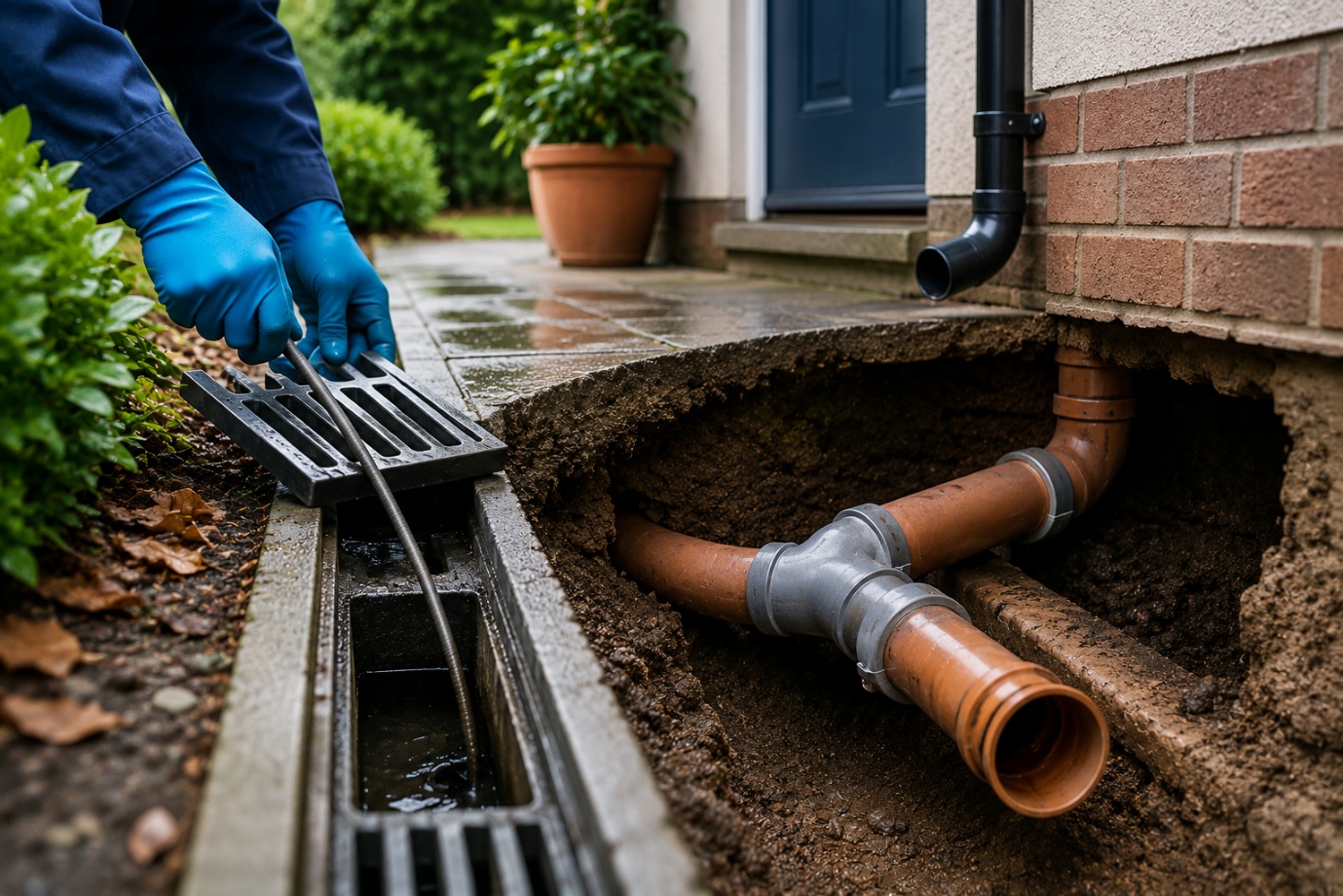
A well-maintained drainage system is one of the most important yet often overlooked parts of any home. While drains remain hidden beneath floors, gardens, and driveways, they play a vital role in carrying wastewater safely away from your property. When problems occur, they can quickly lead to unpleasant odours, water damage, and costly repairs.
Fortunately, keeping your home's drainage system in excellent condition doesn't require specialist knowledge. By adopting a few simple maintenance habits and recognising early warning signs, homeowners can reduce the risk of major drainage issues and extend the lifespan of their plumbing infrastructure.
Your home's drainage system is designed to transport wastewater from kitchens, bathrooms, utility rooms, and outdoor drains into the public sewer or a private treatment system. Every sink, shower, toilet, and appliance contributes to this network.
Because everything is connected, a blockage in one section can affect multiple fixtures throughout the property. Understanding this basic principle makes it easier to identify problems before they become serious.
One of the most common causes of blocked drains is the disposal of unsuitable materials. Many household items that seem harmless can gradually build up inside pipework, restricting water flow over time.
To help prevent blockages, avoid putting the following into your drains:
Instead, dispose of these items in household waste or compost where appropriate.
Routine cleaning helps remove minor build-ups before they develop into stubborn blockages. A simple flush with hot water every week can help dissolve soap residue and light grease deposits in kitchen sinks.
Natural cleaning methods such as pouring a mixture of bicarbonate of soda followed by white vinegar into the drain can also help break down residue while reducing unpleasant odours. After allowing the solution to work for around 30 minutes, rinse thoroughly with hot water.
Avoid relying excessively on harsh chemical drain cleaners, as repeated use may damage certain types of pipework over time.
External drains are particularly vulnerable to leaves, moss, mud, and garden debris. During autumn and after storms, it's worth inspecting drain covers and gullies to ensure they remain clear.
Blocked outdoor drains can prevent rainwater from draining properly, increasing the risk of standing water around your property. In severe cases, this may contribute to damp issues or localised flooding.
Regularly removing leaves and debris from drainage channels is a simple task that can prevent much larger problems later.
Drainage problems rarely appear without warning. Recognising the early symptoms allows homeowners to arrange maintenance before the issue escalates.
Common warning signs include:
If several fixtures begin experiencing problems simultaneously, the blockage may be located further along the drainage system rather than within an individual appliance.
While routine maintenance can prevent many problems, some drainage issues require specialist equipment to diagnose and resolve effectively. Tree root intrusion, collapsed pipework, and underground blockages cannot usually be identified through visual inspection alone.
If persistent drainage issues develop, professional services such as Any Drains Direct Canterbury can use CCTV drain surveys and specialist clearing equipment to locate the source of the problem and recommend the most appropriate solution before further damage occurs.
Seeking professional assistance early often proves more cost-effective than delaying repairs until the problem becomes more extensive.
Renovation projects can unintentionally affect drainage systems. Landscaping, extensions, patios, and driveways may alter ground levels or place additional pressure on underground pipework.
Before undertaking major outdoor works, it's sensible to identify the location of existing drainage runs. Protecting inspection chambers and maintaining adequate drainage gradients will help preserve the system's performance after construction has been completed.
Planning drainage alongside other improvements reduces the likelihood of future disruption.
The most effective way to keep your drainage system functioning efficiently is through consistent maintenance. Small preventative tasks require very little time but can significantly reduce the likelihood of expensive emergency repairs.
A simple seasonal checklist might include clearing outdoor drains, checking for slow drainage, inspecting gutter downpipes, and flushing little-used waste pipes to prevent stagnant water from developing unpleasant odours.
Developing these habits not only protects your plumbing but also contributes to the overall condition and value of your home.
Your home's drainage system works continuously behind the scenes, making everyday life more comfortable and hygienic. Although it is easy to forget about until something goes wrong, regular maintenance remains the most effective way to avoid disruption and unnecessary expense.
By disposing of waste responsibly, cleaning drains regularly, monitoring for early warning signs, and arranging professional inspections when required, homeowners can keep their drainage systems operating efficiently for many years. A proactive approach not only prevents inconvenient blockages but also protects one of the most essential systems within the home.
Olivia Bennett has over 12 years of experience helping homeowners transform their spaces with practical, thoughtful solutions. She guides projects of all scales, blending creativity with efficiency and attention to detail to achieve lasting results. Olivia holds a degree in Interior Architecture from the University of Michigan and draws inspiration from global design trends and architecture, ensuring every space is both functional and beautifully considered.







No Comments