

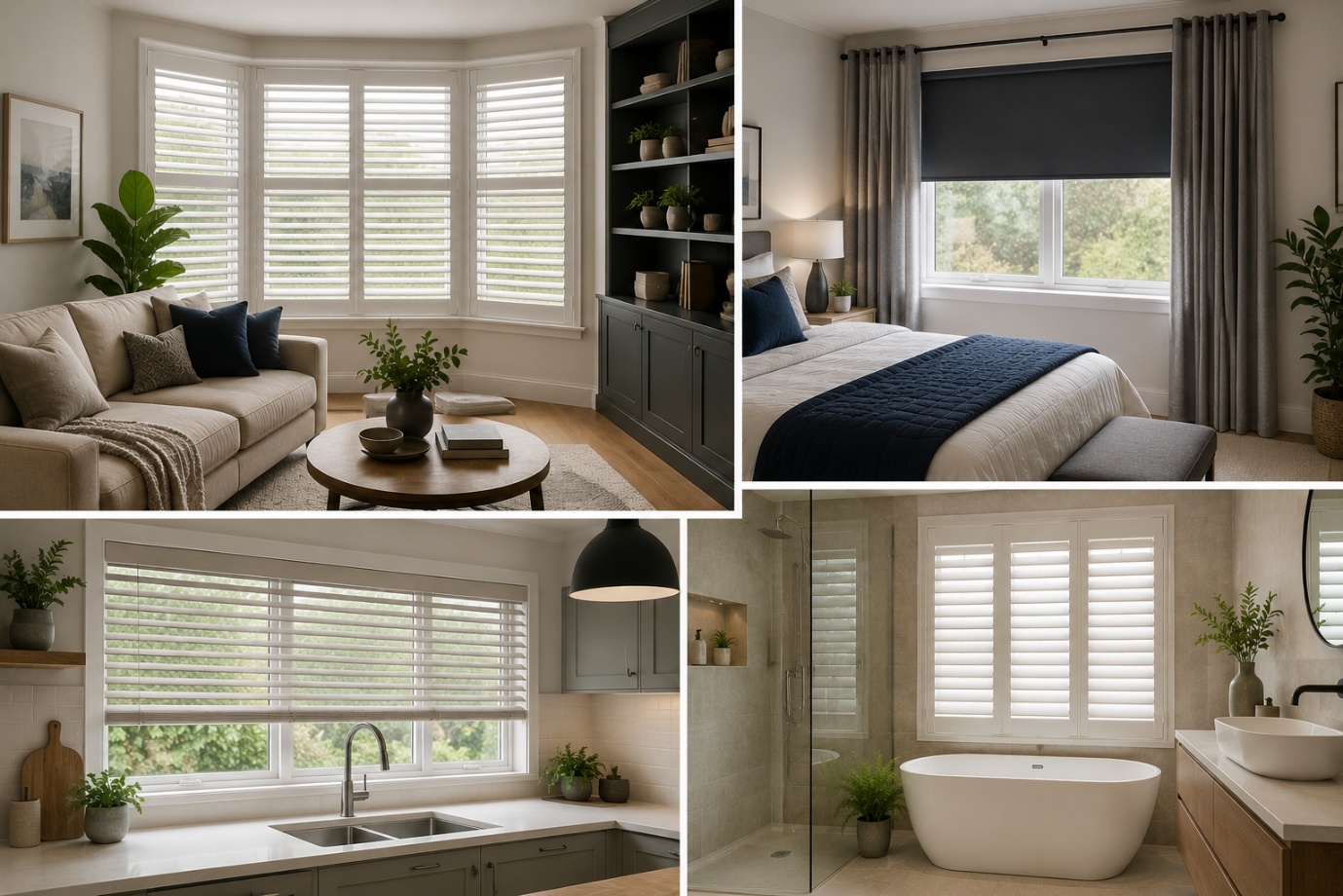
How to Choose the Perfect Window Coverings for Your Home
Window coverings are more than just decorative features. They influence


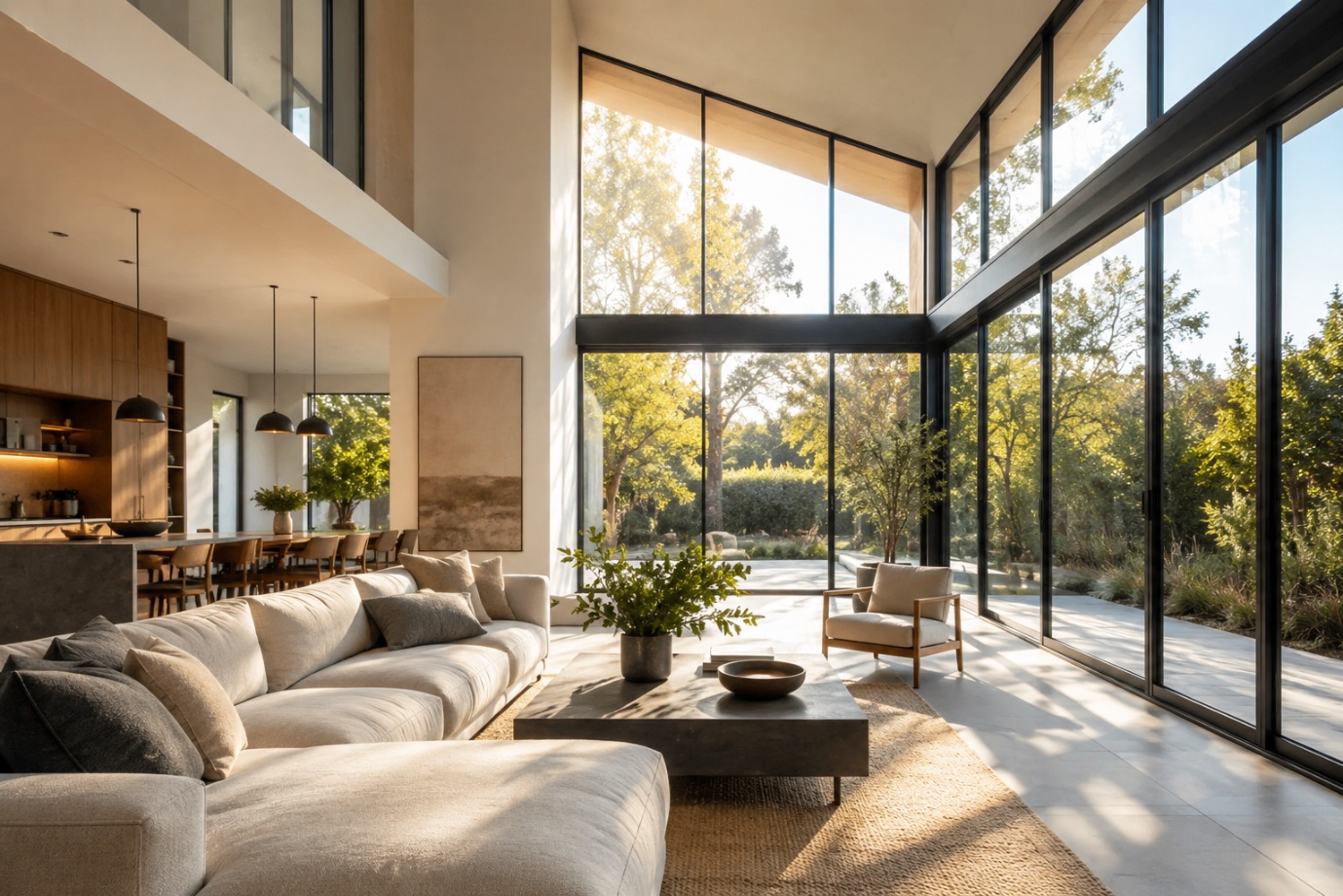
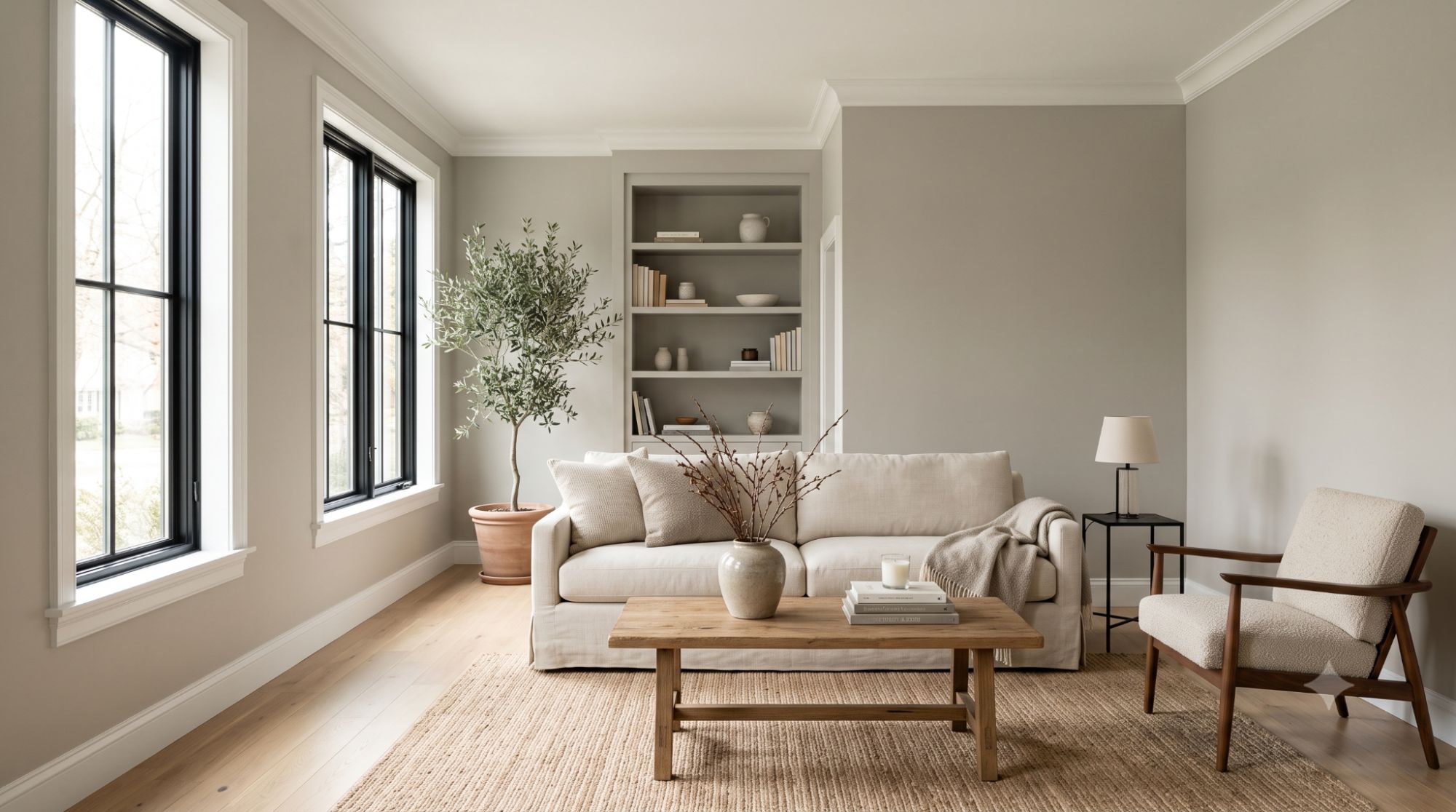
Natural light has always been one of the defining elements of residential architecture. From traditional cottages with modest openings to contemporary homes featuring expansive glazed façades, the relationship between daylight and living spaces has continually evolved alongside building technology and design philosophy.
Today, architects increasingly view natural light as a fundamental building material rather than simply a functional necessity. The careful integration of glazing systems influences spatial quality, energy performance, occupant wellbeing, and the visual identity of modern homes.
Contemporary residential design relies on high-performance glazing to maximise daylight while maintaining thermal efficiency and comfort. Modern window systems allow architects to create larger openings without compromising energy performance, security, or weather resistance.
Many homeowners and designers turn to EasiGlazeEssex for bespoke double and triple glazing solutions, including aluminium windows, flush sash systems, sliding sash windows, composite doors, bifold doors, and patio glazing. With more than 35 years of experience and FENSA-registered installations, advanced glazing technologies help create bright, energy-efficient homes that balance architectural expression with long-term performance.
As glazing technology has improved, architects have gained greater freedom to blur the boundaries between interior and exterior environments.
Historically, residential buildings featured relatively small windows due to structural limitations and concerns over heat loss. Advances in materials and engineering have transformed this approach, enabling expansive glazed elevations that flood interiors with daylight.
Contemporary homes frequently incorporate:
These features increase visual openness while strengthening the relationship between architecture and landscape.
Natural light plays a central role in shaping the perception of space. Architects use daylight to create depth, define circulation, and highlight material textures throughout a building.
Strategic window placement can:
This approach transforms daylight into an active component of architectural composition rather than a passive environmental factor.
Energy efficiency has become a primary consideration in residential architecture, driving the development of glazing systems that deliver both transparency and high thermal performance.
Modern glazing contributes to sustainable design through:
These innovations support environmentally responsible buildings while maintaining generous access to natural light.
Contemporary architecture increasingly seeks to dissolve the distinction between interior living spaces and surrounding landscapes.
Large glazed openings provide uninterrupted views of gardens, courtyards, and natural environments while encouraging passive ventilation and greater interaction with outdoor spaces. This design philosophy enhances occupant wellbeing and reinforces a stronger connection with nature.
The result is a residential environment that feels larger, calmer, and more integrated with its setting.
Research continues to demonstrate the importance of natural light in residential environments. Well-lit interiors contribute to improved mood, increased productivity, healthier sleep patterns, and enhanced overall wellbeing.
Architectural strategies that maximise daylight create homes that feel:
These qualities have become essential considerations in contemporary residential design.
As sustainable architecture continues to evolve, glazing technologies will play an increasingly significant role in shaping residential buildings. Smart glass, adaptive shading systems, and high-performance insulated glazing are already expanding the possibilities for architects seeking to balance aesthetics with environmental responsibility.
Future homes are likely to integrate daylight management more intelligently, creating responsive buildings that optimise comfort while reducing energy consumption.
The evolution of natural light in residential architecture reflects a broader shift towards healthier, more sustainable, and experience-driven design. Advances in glazing technology have enabled architects to create homes that are brighter, more energy efficient, and visually connected to their surroundings without sacrificing performance.
By treating natural light as a core architectural element, contemporary residential design continues to redefine how people experience space, creating homes that are both functionally resilient and architecturally timeless.
Olivia Bennett has over 12 years of experience helping homeowners transform their spaces with practical, thoughtful solutions. She guides projects of all scales, blending creativity with efficiency and attention to detail to achieve lasting results. Olivia holds a degree in Interior Architecture from the University of Michigan and draws inspiration from global design trends and architecture, ensuring every space is both functional and beautifully considered.




No Comments