


How to Choose the Perfect Window Coverings for Your Home
Window coverings are more than just decorative features. They influence


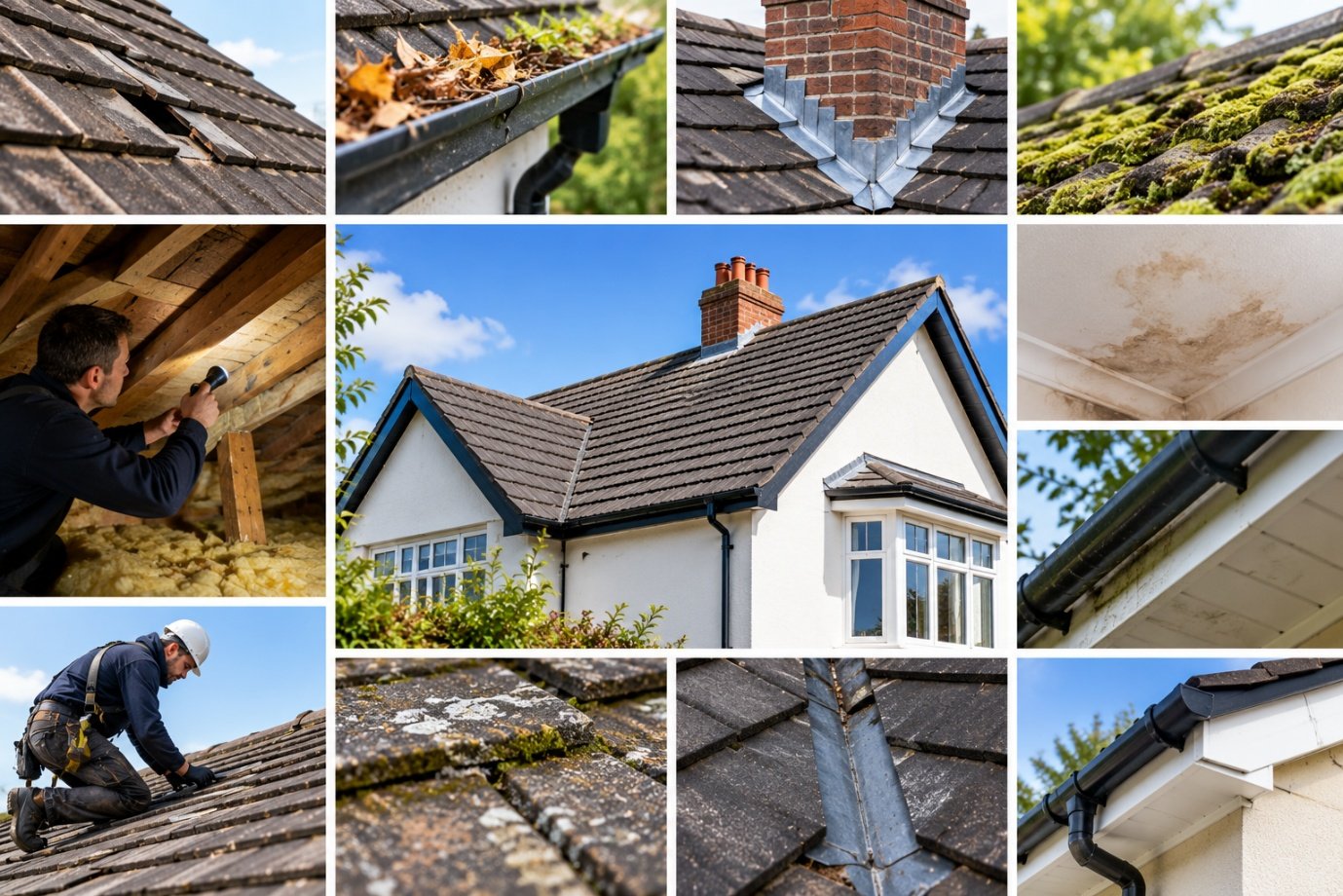
A roof does much more than complete the appearance of a home. It provides essential protection against rain, wind, cold temperatures and changing weather conditions, while helping keep the interior comfortable and dry. Yet because many roofing problems develop gradually, they can easily go unnoticed until they begin causing visible damage indoors.
Regular maintenance and early intervention can make a significant difference. A small slipped tile or blocked gutter may be relatively straightforward to address, whereas prolonged water ingress can eventually affect insulation, ceilings, timber and internal finishes.
For homeowners arranging repairs or maintenance, choosing an experienced local professional such as Kingsway Roofing in Thame can help ensure that problems are assessed properly and the right solution is considered for the property. However, knowing what to look for in the first place can also help homeowners identify potential issues before they become more serious.
Heavy rain, strong winds and storms can put considerable pressure on roofing materials. High winds can loosen tiles or slates, while falling branches and debris may damage the surface.
After particularly severe weather, it is worth carrying out a visual inspection from ground level. Look for obvious signs such as missing tiles, damaged flashing, displaced ridge tiles or debris accumulating on the roof.
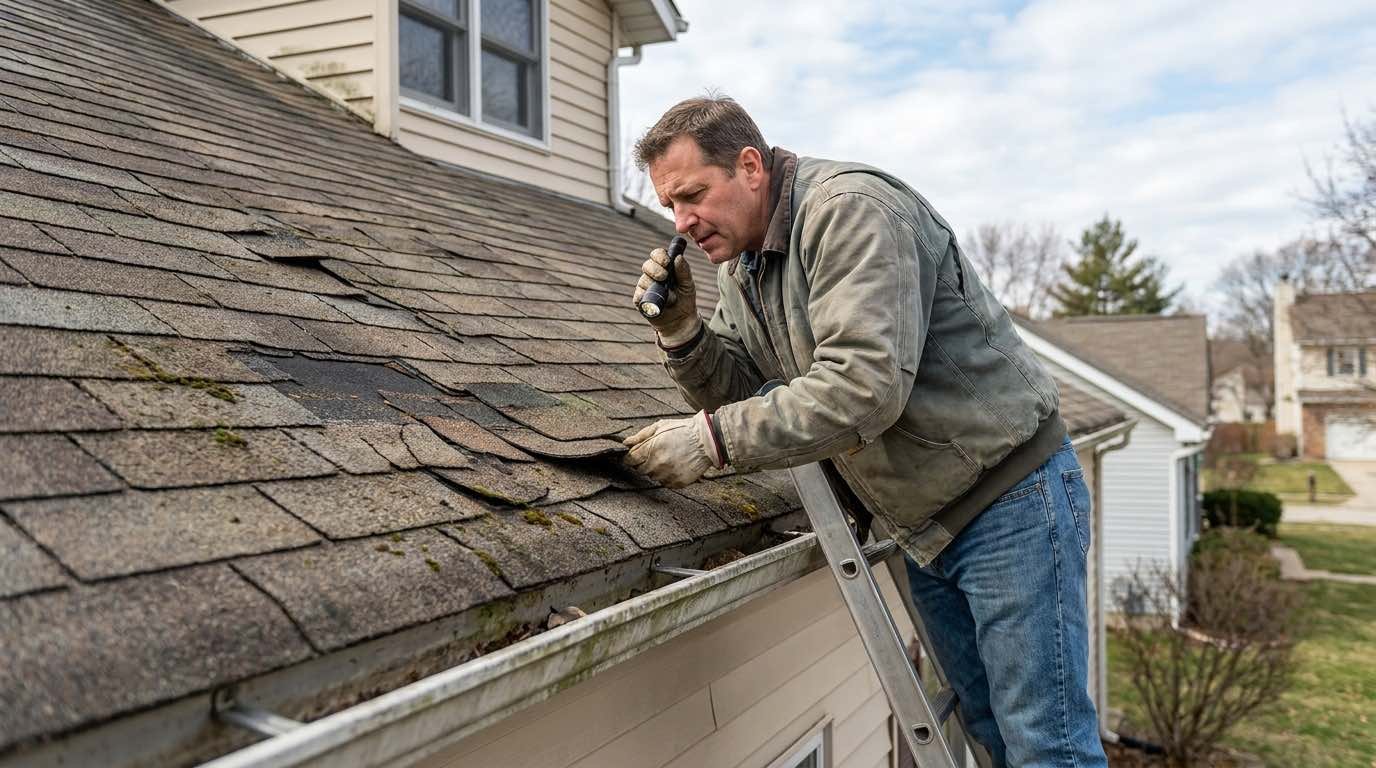
Do not attempt to climb onto the roof yourself simply to investigate minor damage. Roofing surfaces can be slippery and unstable, particularly after rain. If something looks unusual, arranging a professional inspection is generally a safer approach.
A roof leak does not always appear directly beneath the damaged area. Water can travel along roofing timbers or other surfaces before eventually reaching the ceiling or walls.
Inside the property, warning signs can include:
If these signs appear, the source should be investigated promptly. Delaying repairs can allow moisture to spread and potentially create much larger problems.
A professional inspection should consider the roof covering as well as underlay, flashing, valleys, roof junctions and other areas where water could enter. A visible stain inside the home does not necessarily indicate the exact location of the roof defect.
Roof maintenance is not limited to the tiles or slates. The drainage system plays an important role in protecting the property from water.
Leaves, moss, dirt and other debris can accumulate in gutters and restrict the flow of rainwater. When water cannot drain properly, it may overflow against fascia boards, external walls or other parts of the building.
Gutters should therefore be checked regularly, particularly during autumn when falling leaves can quickly create blockages.
Downpipes should also be inspected to ensure water is being carried away from the property effectively. Persistent overflow can contribute to damp problems and deterioration around the roofline.
Flashing is used around areas such as chimneys, roof valleys and points where the roof meets another structure. These junctions can be particularly vulnerable because they have to prevent water from entering where different surfaces meet.
Deteriorated, cracked or displaced flashing can create opportunities for water ingress.
Chimneys deserve particular attention because they project above the main roof surface and are exposed directly to wind and rain. Mortar joints, leadwork and surrounding roof materials can all deteriorate over time.
If you notice damaged flashing or signs of water penetration around a roof junction, professional assessment can help determine whether a repair or more extensive work is necessary.
A single damaged tile may seem like a minor issue, but it can leave the layers underneath exposed to the elements.
Tiles can crack due to impact, weathering or temperature changes. Fixings may also deteriorate over time, allowing tiles to move or slip.
Replacing individual damaged tiles can sometimes prevent more extensive problems from developing. However, if a roof has widespread tile damage or repeated failures, it may indicate that the covering or underlying components are approaching the end of their useful life.
The distinction between a localised repair and a larger roofing problem is important. Repeatedly repairing the same areas without addressing an underlying issue can prove more expensive over time.
Moss is a common sight on many roofs, particularly where properties are surrounded by trees or receive limited direct sunlight.
A small amount of moss is not necessarily an immediate indication of serious roof damage. However, excessive growth can retain moisture and may contribute to blocked gutters or deterioration if it is left unmanaged.
Homeowners should avoid aggressive DIY cleaning methods that could damage tiles, protective coatings or flashing. Pressure washing can be particularly unsuitable for some roofing materials.
If moss has become extensive, a professional can advise on the safest approach for the particular roof.
Fascias, soffits and other roofline components help protect the edges of the roof and the spaces beneath it. Deterioration can allow moisture to reach areas that should remain protected.
Look for signs such as:
Problems around the roofline should not simply be treated as cosmetic defects. Damaged components can affect drainage, ventilation and the protection of the roof structure.
The loft can provide useful clues about the condition of a roof.
On a dry day, inspect the space for damp patches, water staining, mould, damaged timber or wet insulation. Also look for daylight entering through areas where there should not be visible gaps.
Ventilation is another important consideration. Poor ventilation can contribute to condensation, which may sometimes be mistaken for a roof leak.
Keeping the loft adequately ventilated and ensuring insulation is installed appropriately can help reduce moisture-related problems.
Not every roofing problem requires a complete replacement. Localised damage can often be repaired, particularly when the main structure and roof covering remain in good condition.
However, persistent leaks, widespread damaged tiles, sagging areas, deteriorating structural timber or an ageing roof can indicate that more extensive work is required.
A professional assessment can help homeowners understand the condition of the roof and distinguish between essential repairs and longer-term replacement.
Roofing services can range from individual repairs to complete re-roofing, depending on the condition of the property and the extent of the damage. The most appropriate solution should be based on the actual condition of the roof rather than simply its age.
Some basic maintenance tasks can be managed by homeowners, such as keeping accessible gutters clear and checking for visible signs of damage from ground level.
More complex work should be left to appropriately experienced roofing professionals. This is particularly important where the issue involves structural components, extensive water ingress, roof access or replacement work.
Before arranging significant roofing work, ask for a clear assessment of the problem, details of the proposed repair and information about materials, timescales and any relevant guarantees.
A trustworthy roofing professional should be able to explain the problem clearly without using unnecessary technical language or recommending major work without appropriate justification.
Prevention is usually easier than dealing with extensive water damage after a problem has developed.
A simple maintenance routine can include checking the roof after severe weather, clearing gutters, looking for damaged tiles and monitoring the condition of roofline components. Professional inspections can also be useful when a property has an older roof or when there are concerns that cannot be assessed safely from ground level.
Keeping records of previous repairs can be helpful too. Knowing when tiles, flashing, gutters or other components were replaced can make it easier to plan future maintenance.
Your roof is one of the most important protective elements of your property, so small warning signs should not be ignored.
Regular checks can help identify damaged tiles, blocked gutters, deteriorating flashing and roofline problems before they develop into more expensive issues. At the same time, knowing when to call a professional can prevent homeowners from attempting repairs that could be unsafe or unsuitable.
A well-maintained roof can provide reliable protection for many years. By combining sensible maintenance with timely professional inspections and repairs, homeowners can keep their properties dry, comfortable and better protected against whatever the British weather brings next.
Olivia Bennett has over 12 years of experience helping homeowners transform their spaces with practical, thoughtful solutions. She guides projects of all scales, blending creativity with efficiency and attention to detail to achieve lasting results. Olivia holds a degree in Interior Architecture from the University of Michigan and draws inspiration from global design trends and architecture, ensuring every space is both functional and beautifully considered.






No Comments