

How to Choose the Perfect Window Coverings for Your Home
Window coverings are more than just decorative features. They influence


Almost every renovation begins the same way. A homeowner looks at a room that no longer works, pictures something better, and decides the time has come to fix it. The plan feels manageable at that stage. Then the work starts, one small discovery leads to another, and a project that was supposed to take two weeks quietly stretches into two months.
This is not a sign that something went wrong. It is simply what happens when a plan meets an existing house. The good news is that most of the complications people run into are predictable, and a homeowner who knows where they usually appear can plan around them instead of reacting to them.
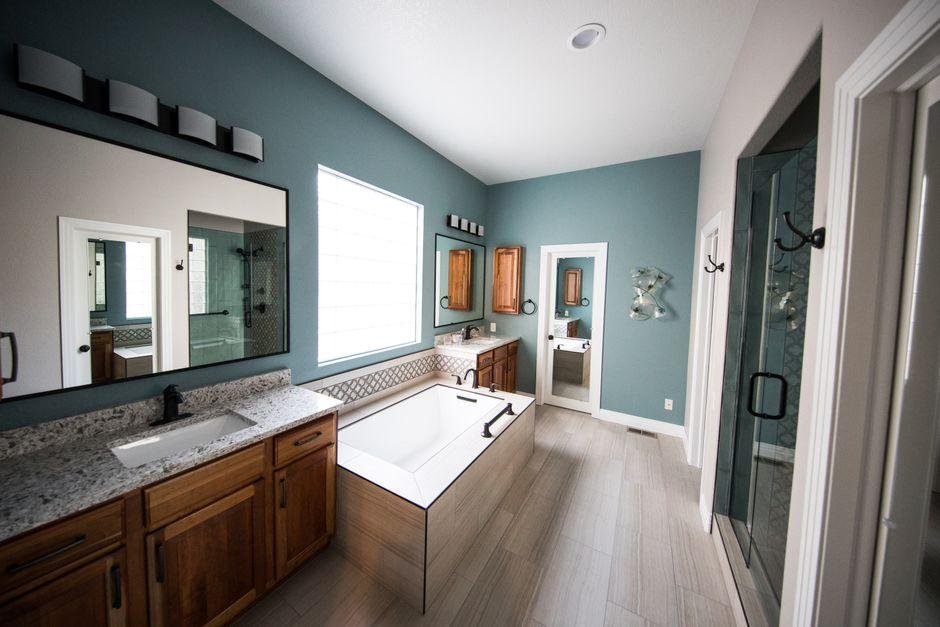
Most renovation projects start with a clear picture in the homeowner's mind and a short list of what needs to change. The bathroom is usually where that short list falls apart, because so much is packed into a small space and very little of it can be moved without affecting everything around it. A specialist who works on these rooms every day understands the order those pieces have to follow, and that understanding is what keeps a small job from turning into a long one.
Homeowners who want the work handled properly from the first day are far better off hiring an experienced bathroom remodeler than piecing the job together themselves.
The single biggest cause of a project growing out of control is an unclear scope. A homeowner asks for new flooring, then decides the trim should match, then realizes the doors look worn next to the fresh trim. Each step seems small. Together they add weeks.
Write down everything you want changed before the first quote is requested. Walk through the space slowly and look at it as a whole rather than as one problem to solve. Note the things that bother you even slightly, because those are the items most likely to be added halfway through at a higher cost. A complete list lets your contractor price the job accurately, order everything at once, and schedule the trades in a sensible order.
Just as important is writing down what you are not doing. A clear boundary around the project protects your budget and gives everyone involved a shared understanding of where the work stops.
A budget that matches the quote exactly is a budget with no room to move. Older homes in particular hide conditions that nobody can see until a wall or floor is opened, and a small allowance for the unexpected turns a crisis into an inconvenience.
Set aside a portion of your total budget that you do not plan to spend. Treat it as untouchable until something genuinely requires it. If the work finishes without needing it, that money is yours again. If a problem appears behind the drywall, you can approve the fix on the spot instead of pausing the job while you find the funds.
It also helps to separate needs from preferences early. When costs rise, knowing in advance which items you are willing to drop makes the decision fast and painless rather than stressful.
Homeowners often plan around the best possible finish date, and that single optimistic assumption causes more frustration than the delays themselves. Materials are back-ordered. Inspections get scheduled for the following week. Weather interferes with deliveries. None of this is unusual.
Ask your contractor for a realistic schedule rather than a fast one, and ask which parts of it depend on something outside their control. Then add a cushion of your own before you book anything that depends on the work being finished. A project that runs a few days past a generous estimate feels fine. The same project running two weeks past an aggressive one feels like a failure, even though the work took exactly as long in both cases.
Houses built decades ago were made to standards that have changed many times since. Wiring may not support what modern appliances draw. Pipes may have been repaired in ways nobody documented. Floors may not be level, and walls may not be square.
None of this means the project cannot go ahead. It means the early stages should include a proper look at what is already there. A contractor who inspects carefully before quoting will find most of these conditions in advance, and the ones that only appear once demolition begins will at least be fewer. When something does turn up, resist the urge to patch around it.
Correcting an underlying fault while the area is already open is almost always cheaper than returning to it later. Ask your contractor to photograph anything unusual they uncover, so you have a record of what was found and how it was handled. That record is worth keeping long after the work is finished, because the next person who opens that wall will know exactly what is behind it.
Small misunderstandings grow into expensive ones when nobody catches them early. A brief check-in at a set time each week keeps everyone aligned and gives you a natural moment to raise anything that looks off.
Put changes in writing, even minor ones, and make sure the cost and schedule impact is agreed before work continues. Verbal approvals given in passing are the most common source of disputes at the end of a job. A short message confirming what was decided protects both sides and keeps the final invoice free of surprises.
A renovation will always involve some uncertainty. What separates a smooth project from a difficult one is not luck but preparation: a defined scope, an honest budget, a capable professional, and a timeline with room to breathe. Get those four things right, and the rest tends to fall into place.
Olivia Bennett has over 12 years of experience helping homeowners transform their spaces with practical, thoughtful solutions. She guides projects of all scales, blending creativity with efficiency and attention to detail to achieve lasting results. Olivia holds a degree in Interior Architecture from the University of Michigan and draws inspiration from global design trends and architecture, ensuring every space is both functional and beautifully considered.









No Comments