

12 Modern Christmas Decor Ideas Garland for Every Room
There's something magical about walking into a home decorated with


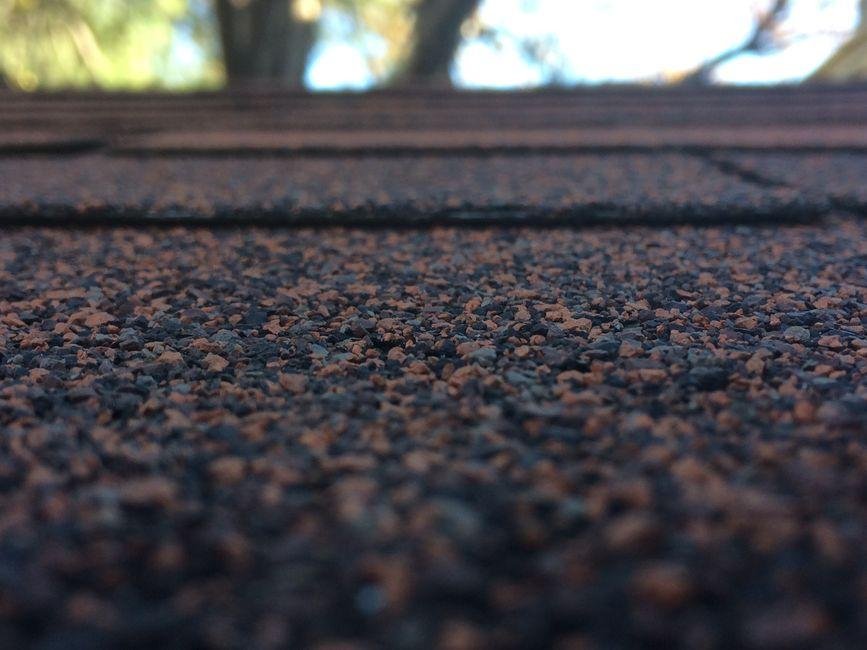
A roof can look perfectly healthy from the driveway while hiding problems that have been developing for months. Water may be slipping beneath damaged flashing, moisture could be weakening the wooden decking, or poor ventilation might be accelerating the deterioration of roofing materials.
Unfortunately, many homeowners discover these issues only after a ceiling stain appears or a storm causes visible damage. By then, what could have been a relatively straightforward repair may require extensive work.
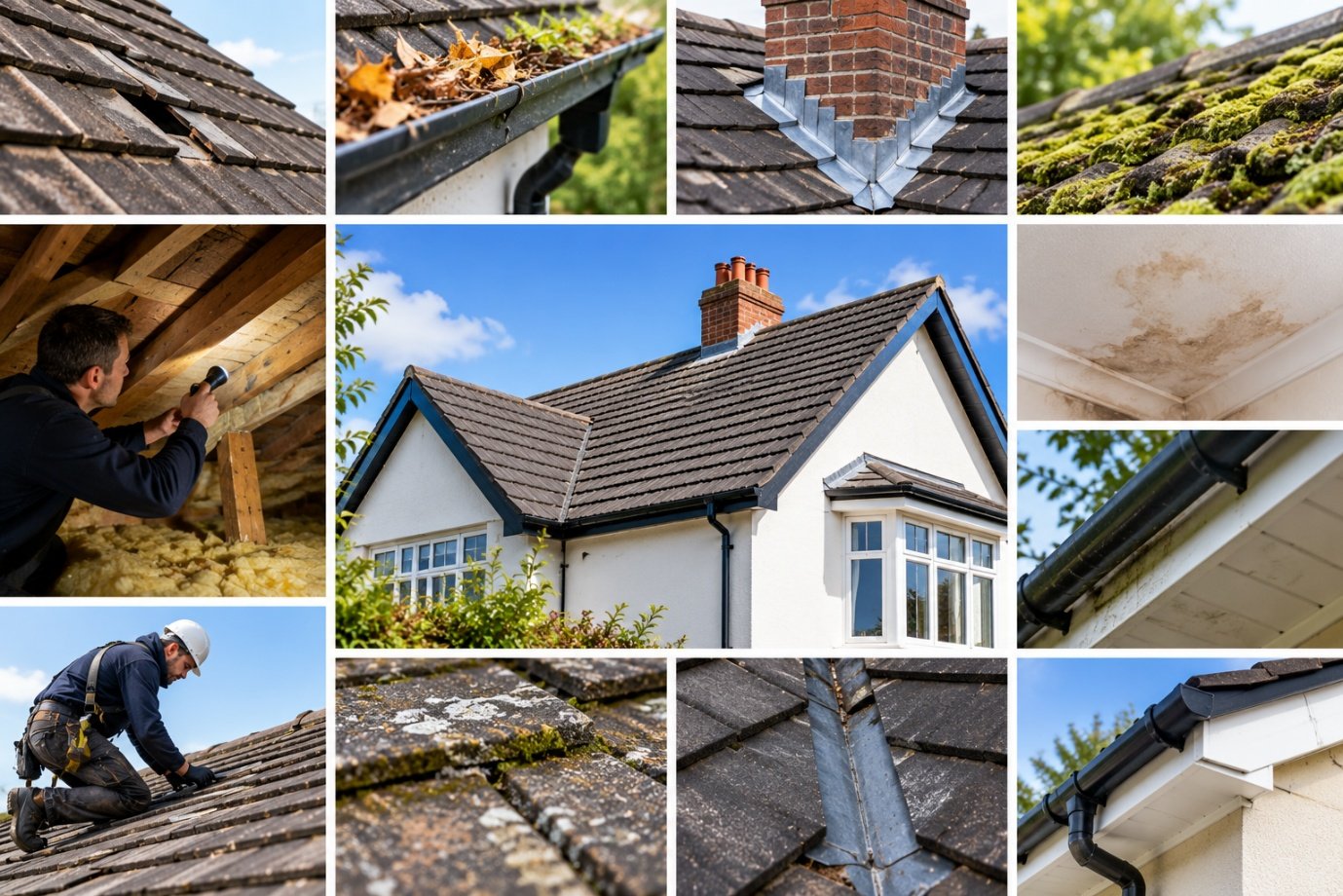
Residential roofing involves more than shingles and gutters. The entire system must manage water, temperature changes, airflow, and the structural demands of different weather conditions.
Understanding where roofing problems begin can help homeowners make better maintenance decisions, avoid unnecessary replacements, and protect their properties from expensive damage.
A roof inspection should involve more than checking whether shingles are missing. Some of the most damaging roofing problems develop beneath surfaces that appear intact.
Worn flashing, deteriorating sealants, damaged decking, and hidden moisture intrusion can remain unnoticed without a closer examination.
For homeowners evaluating roofing contractors, companies such as Hershberger Bros Roofing provide services that include roof inspections, repairs, replacements, and storm damage assessments. These services can help identify existing damage and determine whether targeted repairs or broader improvements are appropriate.
Professional inspections are particularly useful after severe weather, before purchasing an older home, or when unexplained moisture appears indoors.
A qualified roofer may examine roof penetrations, valleys, drainage points, and other areas where water commonly enters.
Homeowners should request photographs and clear explanations of any recommended work.
Not every defect requires a complete roof replacement. Understanding the condition of individual components helps prevent unnecessary spending.
Flashing is installed around chimneys, roof valleys, walls, and other transitions to direct water away from vulnerable openings.
When flashing loosens, corrodes, or becomes improperly sealed, rainwater can penetrate beneath the roofing materials.
These leaks are often difficult to identify because water may travel along structural components before becoming visible inside the house.
A ceiling stain near one wall doesn't necessarily mean the leak originated directly above it.
Flashing problems can develop through normal aging, weather exposure, poor installation, or movement between building materials.
Repairs should address the underlying defect rather than simply applying sealant over the visible opening.
Temporary patching may conceal a problem without restoring proper water management.
Regular inspections of roof transitions can help identify deterioration before moisture reaches insulation, drywall, or structural framing.
Asphalt shingles protect the roof from weather, but their condition is only part of the picture.
Beneath them are underlayment and roof decking, which contribute to the system's overall performance.
If water repeatedly penetrates the outer roofing layers, the decking may begin to deteriorate.
Wood exposed to persistent moisture can soften, lose strength, or develop decay.
Unfortunately, these problems may remain hidden until roofing materials are removed.
Warning signs can include sagging roof sections, recurring leaks, and visible moisture damage in the attic.
However, identifying the exact cause requires professional assessment.
Replacing damaged shingles without addressing deteriorated decking may leave the underlying problem unresolved.
When planning repairs or replacement, homeowners should ask how the contractor will evaluate concealed damage and explain additional costs if necessary.
Attic ventilation plays an important role in managing heat and moisture beneath many residential roofing systems.
Poor airflow can allow excessive heat to accumulate during warmer months and contribute to moisture-related problems during colder periods.
However, ventilation requirements depend on roof design, insulation, climate, and the location of the building's thermal boundary.
Adding more vents isn't automatically the correct solution.
An improperly designed ventilation system may create new moisture problems or interfere with intended airflow patterns.
Homeowners should also consider air leaks from living spaces into the attic, which can carry moisture upward.
Professional evaluations may examine insulation levels, ventilation openings, and signs of condensation.
Addressing these conditions can help protect roofing components and improve overall building performance.
A roof functions as part of the home's broader environmental system, not as an isolated covering.
High winds, hail, heavy rainfall, and falling branches can damage roofs in different ways.
Wind may lift or remove shingles, while hail can damage certain roofing materials and accessories.
Falling debris may affect flashing, gutters, or structural components.
After severe weather, homeowners should inspect the property from a safe location and look for visible damage.
Avoid climbing onto the roof, particularly when surfaces may be wet or unstable.
Photograph fallen materials, damaged gutters, and other accessible evidence.
If water is entering the home, seek qualified assistance to limit further damage.
Contact the insurance provider to understand reporting requirements and applicable coverage.
Not every storm-related defect qualifies for insurance reimbursement, and coverage depends on policy terms.
Prompt documentation and professional assessment can help establish the extent of damage before conditions worsen.
Roof replacement represents a significant household expense, so homeowners should understand when repairs remain practical.
A localized leak involving otherwise sound roofing materials may justify targeted repair work.
Widespread deterioration, recurring failures, or extensive decking damage can make replacement more economical.
Roof age matters, but it shouldn't be the only deciding factor.
Installation quality, weather exposure, material type, and maintenance history also influence remaining service life.
Compare the estimated cost of repairs with the likelihood of additional problems developing soon afterward.
Ask contractors to explain which components are failing and whether replacement would address issues that repairs cannot reasonably resolve.
A lower initial price isn't always the least expensive long-term option.
Equally, replacing a functional roof prematurely may offer limited financial benefit.
The strongest decision is based on documented condition rather than pressure or assumptions.
Asphalt shingles and metal roofing are common residential options, but each has different installation requirements, costs, and maintenance considerations.
Asphalt shingles offer numerous colors and styles and are widely used on pitched residential roofs.
Metal roofing may provide long service life when properly designed, installed, and maintained.
However, performance depends on material quality, roof geometry, climate, and installation details.
Homeowners should consider local wind conditions, snow loads, drainage requirements, and neighborhood appearance.
Roof pitch and structural capacity can also influence material selection.
Compare warranties carefully, distinguishing between material coverage and workmanship protection.
A premium product cannot compensate for poor installation.
Choosing appropriate materials means evaluating the complete roofing system rather than focusing only on appearance or advertised lifespan.
Roof maintenance doesn't need to become a complicated household project.
A few consistent habits can help homeowners identify problems before they require major repairs.
Keep gutters clear so rainwater can drain properly.
Trim overhanging branches where appropriate and monitor areas where debris regularly accumulates.
Check ceilings and attic spaces for unexplained stains, moisture, or unusual odors.
After significant storms, look for visible changes from ground level.
Arrange professional inspections when warning signs appear or when the roof's condition is uncertain.
Maintain records of previous repairs, warranties, and inspection findings.
These documents can help contractors understand recurring problems and support future property transactions.
Most importantly, avoid waiting for active leaks before paying attention to roof condition.
A durable roof isn't simply one made from expensive materials. It depends on proper installation, effective drainage, sound structural components, and timely maintenance.
Homeowners who understand these relationships are better equipped to prevent small defects from becoming major financial burdens.
Olivia Bennett has over 12 years of experience helping homeowners transform their spaces with practical, thoughtful solutions. She guides projects of all scales, blending creativity with efficiency and attention to detail to achieve lasting results. Olivia holds a degree in Interior Architecture from the University of Michigan and draws inspiration from global design trends and architecture, ensuring every space is both functional and beautifully considered.





No Comments