


12 Modern Christmas Decor Ideas Garland for Every Room
There's something magical about walking into a home decorated with


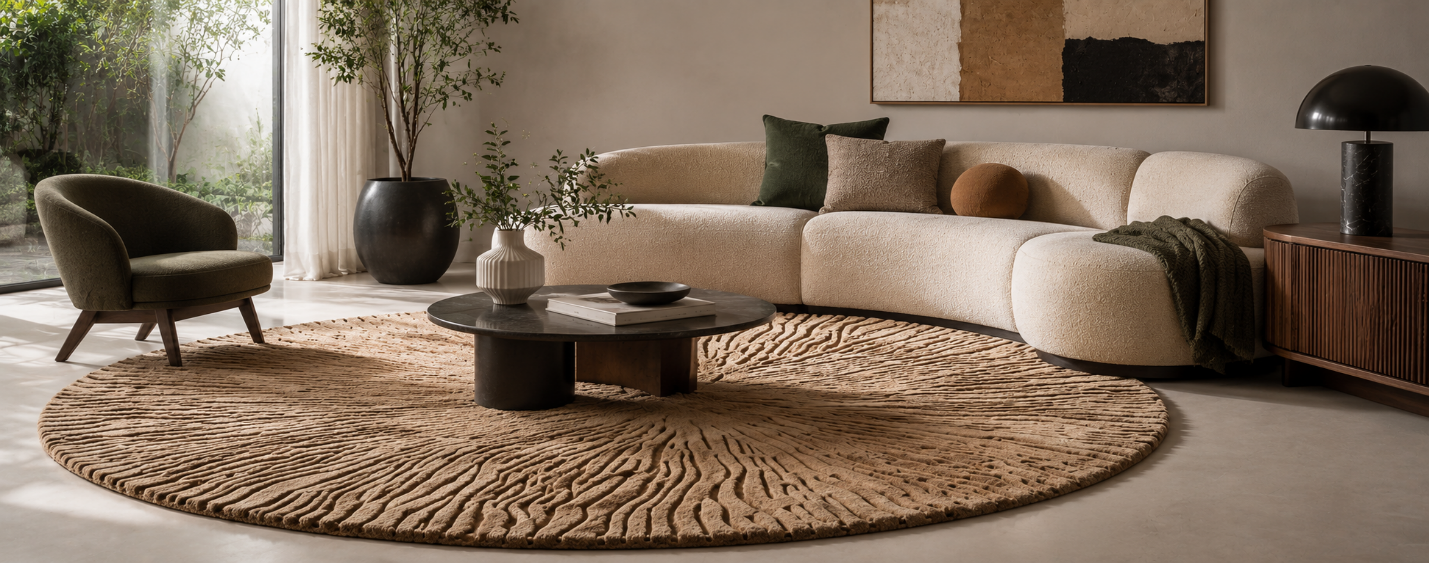
A living room often serves as the heart of a home, bringing together relaxation, conversation, and everyday activities. The right rug can help shape this space by adding warmth, softness, colour, and visual structure. For a brand that combines artistic expression with functional interior pieces, Loops by LJ reflects how thoughtful rug design can contribute to the overall personality of a home.
When selecting rugs, it is important to look beyond colour and pattern. The size of the room, furniture arrangement, flooring, lighting, lifestyle, and existing décor should all influence the decision. A rug should feel like a natural part of the interior while providing the comfort and practicality needed for everyday living.
A rug can have a surprisingly strong influence on the way a living room looks and feels. It can visually connect furniture, soften hard flooring, define a seating area, and introduce another layer of texture to the interior.
Choosing rugs for living room is an effective way to bring warmth, comfort, and visual structure to your interior. The right rug can anchor the seating arrangement, complement the furniture, and create a more cohesive atmosphere. Consider the room's size, layout, colour palette, and existing décor when selecting a design. A well-chosen rug should enhance the character of the space while adding texture and definition without making the living area feel crowded or unbalanced.
Getting the size right is one of the most important steps when choosing a rug. A rug that is too small may make the furniture arrangement appear disconnected, while an oversized design can dominate the room.
For a larger seating area, the rug can extend underneath the front legs of the sofa and chairs. This creates a unified visual zone and helps bring the furniture together. In smaller rooms, placing the rug beneath the coffee table and allowing it to extend towards the seating can provide a similar sense of cohesion. Always measure the available space before making a purchase. It can be helpful to mark the proposed dimensions on the floor using masking tape. This gives you a clearer idea of how much floor space the rug will cover and whether it will work with your existing furniture.
The layout of a room should influence both the size and shape of the rug. A conventional rectangular rug often works well with a sofa, chairs, and coffee table arranged in a traditional formation.
However, not every living room follows the same structure. An irregular layout may benefit from a different rug shape or an artistic design that complements the arrangement. In open-plan interiors, a strategically positioned rug can distinguish the seating area from nearby dining or working spaces. Think about movement as well. A rug should not interfere with frequently used pathways or create awkward transitions between different parts of the room. Good placement should make the space feel natural and easy to navigate.
The rug and furniture should work together as a visual composition. This does not mean that everything needs to match perfectly. In fact, combining contrasting elements can often make an interior feel more interesting. If your sofa has a simple silhouette and a neutral colour, an expressive rug can introduce pattern or texture. If your furniture already makes a strong statement, a more understated rug can provide balance.
Consider the colours and materials of the existing furniture as well. Wooden furniture may pair beautifully with natural textures, while contemporary furniture can be complemented by sculptural surfaces or abstract designs. The position of the furniture is equally important. Ideally, the rug should help create a defined seating arrangement instead of making each furniture piece appear visually separate.
The material of a rug affects its appearance, comfort, maintenance requirements, and overall character. Different materials offer different levels of softness, texture, resilience, and visual depth. Wool, for example, is valued for its softness and natural feel, while other fibres may offer specific practical or aesthetic advantages. The best option depends on how the room is used and the atmosphere you want to create.
Texture deserves particular attention because it can add depth even when the colour palette is simple. Raised surfaces, varied pile heights, and tactile details can give a rug a more dimensional appearance. If the room already contains smooth surfaces such as glass, polished wood, or metal, a textured rug can help introduce softness and contrast.
Colour plays a major role in establishing the mood of a living room. Soft neutrals can create a calm and understated atmosphere, while deeper or brighter shades can introduce energy and personality. When selecting a colour, consider the room as a whole. Look at the walls, sofa, curtains, cushions, flooring, artwork, and decorative accessories. The rug does not have to match every element, but it should have some visual connection with the existing palette. Patterns can have a similar effect. A bold pattern can become the focal point of a room, whereas a subtle design can provide interest without competing with other features. If your interior already contains several statement pieces, a simpler rug may create balance. Conversely, a plain room can benefit from a more expressive design.
When considering living area rugs, think about the personality and atmosphere you want to create. A minimalist room may benefit from understated colours and subtle textures, while an eclectic interior can accommodate expressive patterns and unusual forms. Contemporary interiors can work particularly well with abstract designs, sculptural textures, and unconventional shapes. More traditional rooms may suit classic patterns, softer colour combinations, or timeless materials. However, there is no need to follow a particular design trend. A rug should ultimately reflect the character of the space and the people who use it.
It can also be used to introduce contrast. A highly textured design can soften a room dominated by clean lines, while a carefully chosen neutral rug can calm an interior filled with strong colours and patterns. The most effective approach is to consider the rug alongside the room rather than in isolation. Look at the furniture, architecture, flooring, lighting, and accessories together before making your final decision.
Choosing a rug for your living room is about more than finding an attractive pattern. Size, placement, material, texture, colour, furniture, and lifestyle all play a role in determining whether a rug will work successfully within a space. Taking time to consider these elements can help you create a living room that feels comfortable, balanced, and visually cohesive. Loops by LJ shows how a thoughtfully designed rug can also bring artistic character to an interior, transforming an everyday functional piece into an expressive part of the home.
Clara Jameson is an interior design specialist with more than 10 years of experience helping people create stylish and functional spaces. She blends aesthetics with practicality to make sophisticated design approachable and achievable. Clara earned her B.A. in Interior Design from Savannah College of Art and Design. She enjoys traveling, visiting art galleries, and studying architecture to gather fresh inspiration that she brings to every project.


No Comments