

12 Modern Christmas Decor Ideas Garland for Every Room
There's something magical about walking into a home decorated with

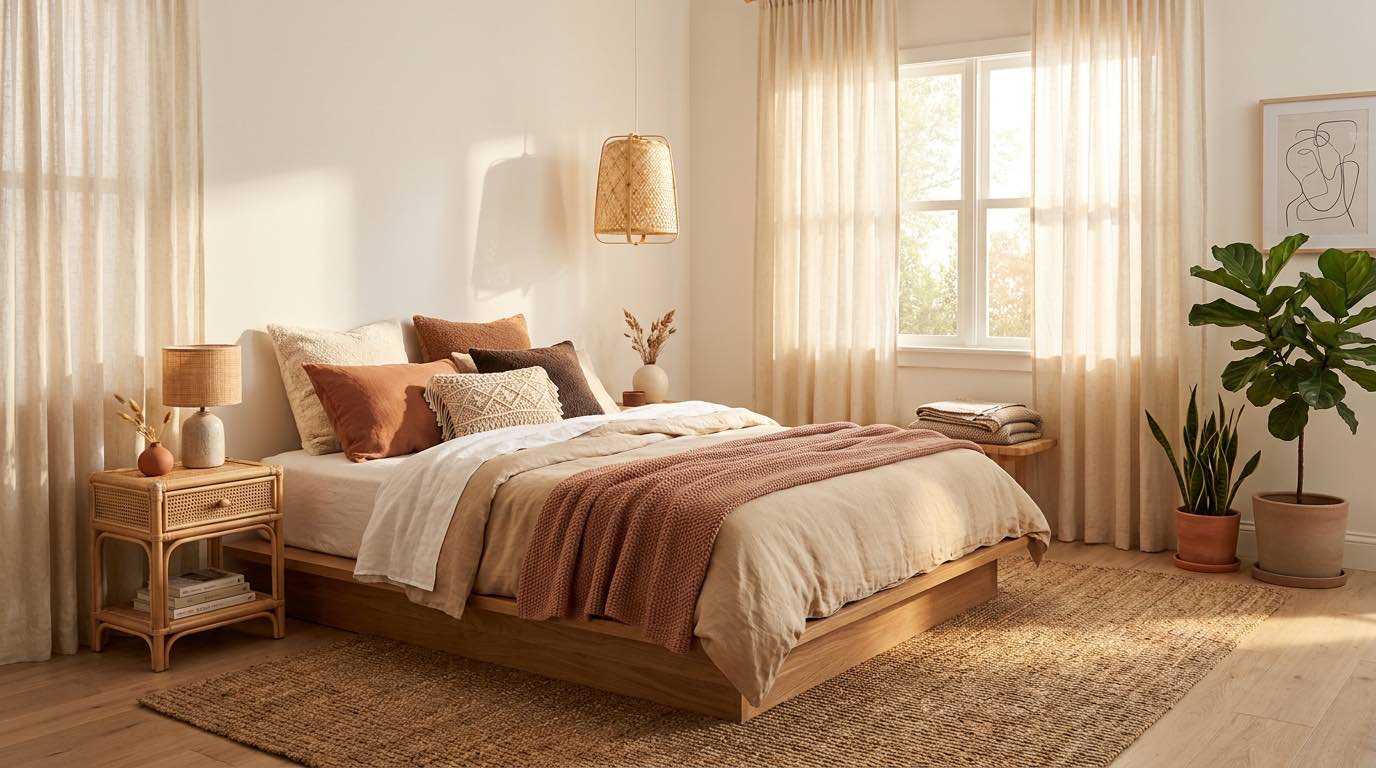
A bohemian bedroom is one of those spaces that feels instantly relaxed the moment you walk in. It's layered, personal, and warm, without looking too planned or too perfect. If you love natural textures, soft rugs, warm lighting, plants, and decor that tells a story, boho style is probably calling your name.
In this guide, you'll find 27 practical ideas to help you build a cozy, stylish boho bedroom, whether you're starting from scratch or just want to add a few boho touches to your current space. Each idea includes simple tips you can actually use, no matter your budget or room size.
A bohemian bedroom is a bedroom style that feels free-spirited, relaxed, and personal rather than perfectly matched. Instead of following one strict color scheme or a single furniture set, boho design mixes textures, patterns, colors, vintage pieces, handmade decor, and natural materials. The result is a room that looks collected over time, not bought all at once from a single store.
This is part of what makes boho bedroom style so popular. There isn't one "correct" version of it. It can look completely different from one home to the next and still feel unmistakably boho. Some people lean into bold colors and patterns, while others prefer a calmer, more neutral approach.
Here are a few common directions this style can take:
No matter which direction you choose, the goal stays the same: a room that feels comfortable, personal, and a little unpolished in the best way.
Before jumping into the 27 ideas, it helps to understand the basic building blocks of this look. Once you know these elements, mixing and matching your own space becomes much easier.
Most boho bedrooms include a combination of the following:
These elements don't need to appear all at once. In fact, trying to squeeze in everything at once can make a room feel cluttered instead of cozy. The best boho bedrooms usually pick a handful of these elements and build around them slowly, adding pieces over time.
Keep this list in mind as you go through the ideas below. Many of the 27 tips build directly on these basics.
Now let's get into the ideas themselves. Each one below explains what it is, why it works in this style, and how you can bring it into your own space.

The bed is the main focal point in most boho bedrooms, so this is the best place to start. Instead of one flat set of sheets, layer in linen sheets, a cotton quilt, a tasseled throw, and a chunky knit blanket at the foot of the bed. Mix a few different pillow shapes and sizes on top for extra depth.
This layered approach gives the bed a lived-in, cozy look rather than a flat, showroom feel. It also makes the room feel warmer, both visually and physically. Start with two or three textures and build from there as you find pieces you love.

A rattan headboard gives a room that relaxed, natural feel almost instantly, even if nothing else in the space has changed yet. The open weave and warm color add texture without feeling heavy or overly formal.
If rattan isn't available or doesn't fit your budget, cane, bamboo, plain wood, or even a woven wall panel placed behind the bed can create a similar effect. The key is choosing something with visible texture instead of a smooth, flat surface.

Macrame brings handmade texture to a wall without making the room feel crowded or busy. Because it's mostly open, knotted rope, it reads as light and airy rather than heavy decor.
The best spots for a piece like this are above the bed, beside a mirror, or over a dresser. One large piece often has more impact than several small ones scattered around the room.

Earthy tones make a bedroom feel grounded and cozy instead of cold or sterile. Think warm white, beige, clay, terracotta, rust, olive green, mustard, tan, and soft brown.
These colors work well together because they all share warm undertones, so even mixing several at once tends to look harmonious rather than clashing. Try bringing them in through bedding, rugs, curtains, or a single accent wall rather than repainting the whole room at once.

Layered rugs add both comfort and visual interest underfoot. A common approach is to place a plain jute rug as the base layer, then add a smaller patterned rug, such as a Moroccan, Persian, or vintage-style design, on top and slightly off-center.
This trick works especially well if you don't own one large rug that fully covers the floor. Layering two smaller rugs can fill the space just as effectively while adding more texture than a single rug would on its own.

Plants add life and softness to any boho decor plan. Easy, low-maintenance options for bedrooms include pothos, snake plant, peace lily, and monstera. If you have space, a hanging plant near a window adds height and movement without taking up floor space.
Plants also soften hard furniture lines and bring a bit of the outdoors inside, which fits naturally with the relaxed, nature-inspired feel this style is known for.

Soft, warm lighting is one of the most important parts of a cozy boho space. Harsh overhead light can make even a well-decorated room feel flat and uninviting.
String lights, small lanterns, and warm-toned bulbs all add a soft glow that makes the room feel calmer in the evening. Try draping lights along a headboard, around a mirror, or across a wall for an easy, low-cost upgrade.

Woven baskets are both practical and decorative, which makes them a smart pick for this kind of room. Use them to hold extra blankets, laundry, plants, books, or general storage.
Because they're made from natural materials like rattan or seagrass, baskets add texture even while doing an everyday job. Stack a few different sizes together for a more layered, collected look, or tuck a single large one under a windowsill.

This style shouldn't look too showroom-perfect, and a vintage nightstand is an easy way to avoid that. A thrifted table, a piece with carved wood details, or a nightstand with visible wear adds instant character.
This is also a budget-friendly move, since secondhand furniture is often cheaper than buying new. Check thrift stores, flea markets, or online marketplaces before shopping for something brand new.

A low platform bed gives the whole room a relaxed, grounded feeling. Instead of a tall frame with a built-in headboard, look for wood platform beds, simple mattress bases, or low-profile frames.
This lower height also makes the ceiling feel higher by comparison, which can help smaller rooms feel a bit more open. Pair it with a floor cushion or two nearby for extra lounge-style comfort.

This style allows pattern mixing, but the patterns should still connect through color. Striped pillows, floral bedding, a tribal-print rug, and block-print curtains can all live in the same room if they share a similar color family.
A simple rule to follow: pick 2 to 3 main colors for the room and make sure every pattern includes at least one of them. This keeps the mix feeling intentional instead of random, and it makes shopping for new pieces much easier down the line.

A large tapestry can stand in for expensive artwork or even a headboard, making it a great low-cost option. Botanical prints, mandala designs, vintage-inspired textiles, and earthy abstract patterns all work well here.
Because tapestries are lightweight, they're also easy to hang without heavy hardware, which makes them a solid choice for renters. Simply mount one with removable hooks or a curtain rod, no drilling required.

Sheer curtains make a bedroom feel breezy and relaxed by letting in soft, diffused light instead of blocking it out completely. This fits the airy, easygoing mood most boho rooms aim for.
Stick to warm curtain shades like white, cream, beige, or soft neutrals so the light filtering through still feels warm rather than cold or gray.

A canopy gives a bedroom a dreamy, retreat-like feeling, almost like a cozy nook within the room. The key is using lightweight, flowing fabric rather than heavy, formal drapes, which can feel too structured for this style.
A simple canopy frame, or even fabric draped from a ceiling hook, can create this effect without a major renovation. This idea pairs especially well with a low platform bed.

A reading corner adds everyday value to the bedroom, not just decor. A simple setup might include a floor cushion or small woven chair, a low side table, a lamp, and a plant nearby.
This corner gives the room a second purpose beyond sleeping, which makes the space feel more functional and personal. Even a small, unused corner can work well for this, so don't wait until you have a big empty area to try it.

Wood furniture keeps a room feeling warm and organic instead of cold or overly modern. Raw wood, reclaimed wood, carved details, mango wood, and light oak are all common choices in this kind of design.
Mixing a couple of different wood tones is actually fine here, since it adds to the collected, layered look rather than looking mismatched. Just try to repeat at least one tone twice so the room still feels connected.

Framed prints, vintage artwork, botanical illustrations, simple line drawings, woven decorative plates, or handmade pieces all work well as boho wall decor. The goal is variety, not a single matching art set.
A helpful tip here is to mix frame styles instead of making everything match perfectly. A few different wood tones or frame shapes hung side by side actually looks more collected and personal than a uniform gallery wall.

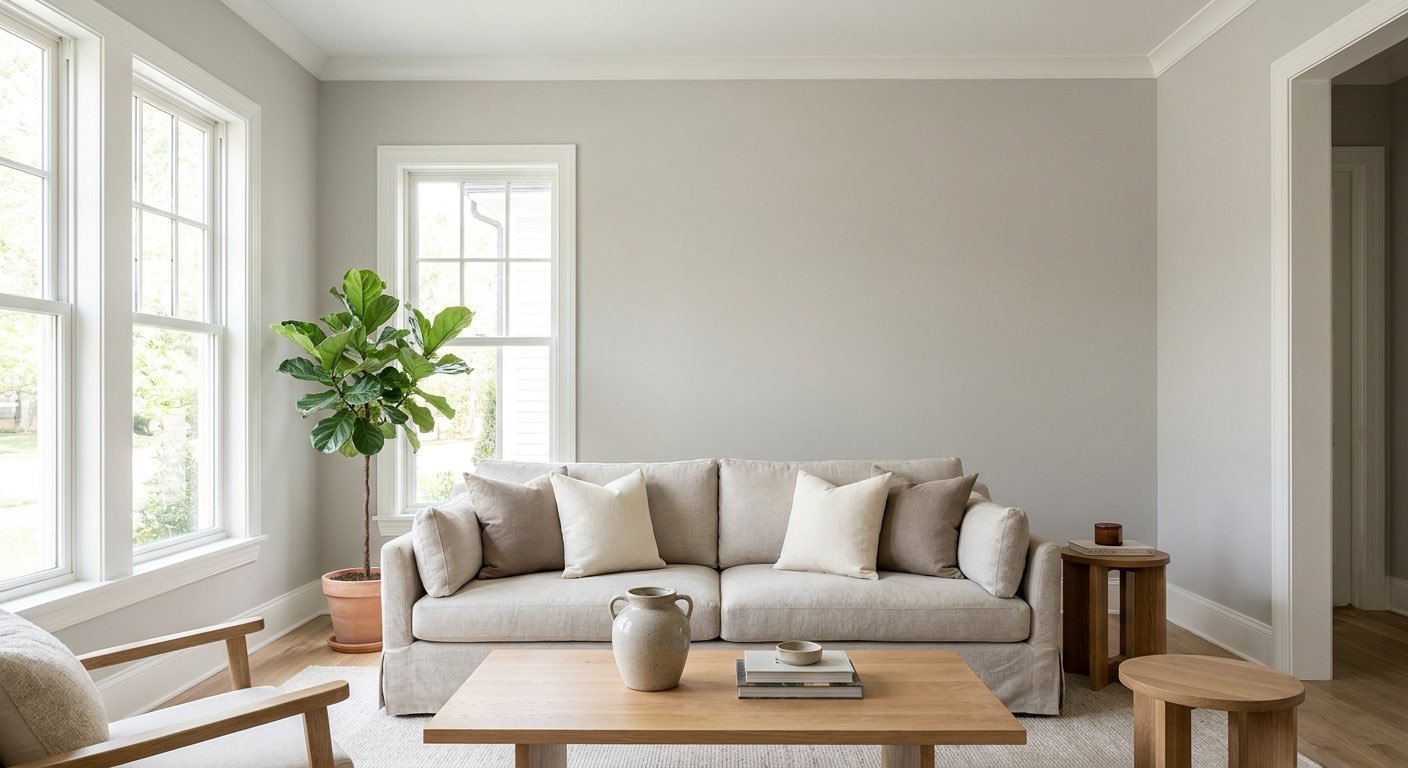
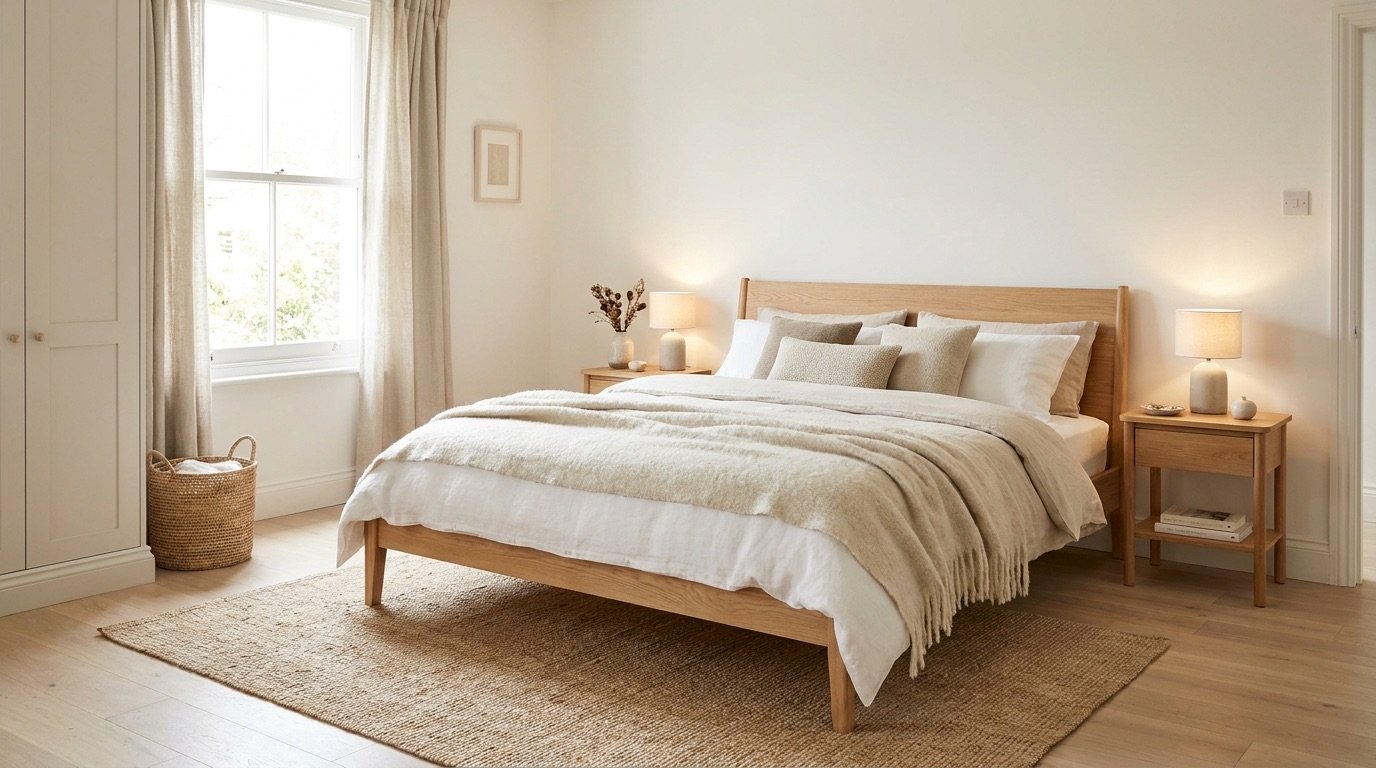
Many readers want boho style without a lot of bold color, and a neutral approach is a great way to get there. Stick to white, beige, cream, tan, natural wood, jute, and linen, then lean on texture instead of color to keep things interesting.
This version of a cozy boho bedroom tends to feel calm and versatile, which makes it a safe starting point if you're new to the style or sharing the space with someone who prefers a simpler look.

If neutral feels too plain for your taste, a colorful room might be a better fit. Jewel tones, rust, teal, mustard, pink, orange, and deep green all work well within this style.
The trick to keeping it stylish rather than chaotic is repetition. Repeat two or three of your chosen colors across the bedding, rug, and wall decor so the room feels connected instead of scattered across too many unrelated shades.

A small bohemian bedroom can still feel warm and layered with a few adjustments. Since floor space is limited, focus on vertical storage and lighter-weight decor choices instead of large furniture pieces.
Helpful tips for small spaces include:

A statement mirror adds both style and function to a boho bedroom. Arched mirrors, rattan-framed mirrors, sunburst mirrors, and vintage mirrors all fit naturally with this look.
Beyond appearance, mirrors also help bounce light around the room, which can make smaller bedrooms feel noticeably brighter and more open. Hang one across from a window for the biggest visual payoff.

Floor cushions and poufs make a bedroom feel relaxed and lounge-like, almost like an extra seating area without needing a full chair. Leather poufs, woven poufs, embroidered floor cushions, and simple cotton cushions all work well.
These pieces are also flexible. You can move them around the room depending on what you need, whether that's extra seating, a footrest, or just another layer of texture on the floor near the bed.

Handmade decor is what makes this style feel truly personal rather than store-bought. Pottery, woven trays, hand-painted vases, block-print textiles, carved wood pieces, and handmade lamps all bring in an artisan touch.
These pieces often carry small imperfections, and that's part of the appeal. A slightly uneven vase or a hand-carved bowl adds warmth that a mass-produced item simply can't match.

A patterned rug can become the anchor of the entire room, tying together the color palette and setting the tone for everything else. Moroccan and Persian-style rugs are popular picks because of their rich patterns and warm color combinations.
This is also a great option for renters, since a rug can add major style to a room without changing the walls or flooring in any permanent way.

Hanging plants serve a different purpose than potted plants placed on the floor or a shelf because they use vertical space that would otherwise go unused. This makes them especially helpful in smaller bedrooms where every bit of floor space matters.
Good spots for hanging planters include near windows, in empty corners, beside a bed, or above a shelf. They add greenery without making the room feel crowded, and they can also help draw the eye upward, which makes a small space feel a little more open.

A modern bohemian bedroom combines clean-lined furniture with classic boho textures, giving the room a slightly more polished, updated look. This approach works well for readers who like this style but don't want an overly busy or vintage-heavy room.
A simple example would be a plain, modern bed frame paired with a rattan lamp, a jute rug, linen bedding, and a few plants. The clean furniture keeps things grounded while the natural textures add warmth on top.

This is arguably the most important rule in the whole style: the room should feel personal, not copied from a magazine or social media post. Books you've actually read, travel souvenirs, an old piece of furniture from family, favorite artwork, and handmade decor all add this personal layer.
A room filled with meaningful pieces will always feel more authentic than one filled with items chosen purely to match a trend. Let your own story shape the final look, even if that means it takes longer to come together.
Choosing a color direction early can make every other decision in the room much easier. Below are four common palette ideas to help you find your starting point.
| Palette | Colors | Best For |
| Neutral Boho | White, beige, tan, wood, jute | Calm, versatile rooms |
| Earthy Boho | Terracotta, rust, olive, cream, brown | Warm, grounded spaces |
| Colorful Boho | Teal, mustard, pink, orange, deep green | Bold, eclectic rooms |
| Modern Boho | Warm white, black accents, rattan, light wood | Clean, updated boho look |
If you're just starting out, it's usually easier to begin with a neutral base, such as white walls, beige bedding, and natural wood furniture. From there, you can add color gradually through pillows, a patterned rug, wall art, or a throw blanket. This approach lets you test out colors before committing to anything permanent, and it's much easier to swap a few pillows than to repaint an entire room. If a color ever feels overwhelming once it's up, scale it back to a single accent piece rather than removing it altogether.
This style doesn't have to look cheap or thrown together. A few smart choices can make a modest budget go a lot further.
These small choices add up. A room doesn't need a big budget to feel high-end, it just needs a sense of intention behind each piece.
Even with the best intentions, it's easy to make a few common mistakes when putting together a room like this. Here's what to watch out for.
Avoiding these mistakes is often just as important as following the tips above. A few small adjustments can make a big difference in how finished the room feels.
A bohemian bedroom should feel cozy, relaxed, layered, and personal above everything else. It's not about following one exact formula, but about building a space that reflects your own taste over time.
If you're not sure where to start, begin with the basics: good bedding, a rug you love, warm lighting, and a few natural textures. From there, add decor slowly, choosing pieces that genuinely mean something to you rather than trying to fill the room all at once. That slower, more personal approach is really what makes this style feel authentic.
"Bohemian" is the fuller, more traditional design style, while "boho" is simply the shorter, more modern term for the same idea. Both generally refer to relaxed, artistic, layered, and personal decor, so you can use the terms interchangeably without worrying about a real difference.
Yes, this is often called a modern minimal boho look. It relies on neutral colors, fewer patterns, natural textures, simple furniture shapes, and a few well-placed plants instead of a large mix of colors and patterns. It's a good option if you like the boho feel but prefer a calmer, less busy room.
No color is truly off-limits in this style. That said, very cold gray tones, harsh neon colors, or too many unrelated bright colors at once can make the room feel less cozy unless they're balanced out with warm textures like wood, jute, or linen. If you want to use a bold color, try pairing it with plenty of natural materials to keep the warmth.
Yes, this look is actually one of the easier styles to pull off in a rental. Rugs, bedding, removable wallpaper, tapestries, plants, lamps, baskets, and peel-and-stick hooks can all add major style without requiring any permanent changes to the walls or floors.
The key rule is to layer textures, not random objects. Focus on a few main layers, like bedding, a rug, curtains, and lighting, then add just a handful of meaningful decor pieces rather than trying to fill every surface in the room. This keeps the space feeling full and warm without tipping into clutter.
Clara Jameson is an interior design specialist with more than 10 years of experience helping people create stylish and functional spaces. She blends aesthetics with practicality to make sophisticated design approachable and achievable. Clara earned her B.A. in Interior Design from Savannah College of Art and Design. She enjoys traveling, visiting art galleries, and studying architecture to gather fresh inspiration that she brings to every project.


No Comments