


How to Choose the Perfect Window Coverings for Your Home
Window coverings are more than just decorative features. They influence

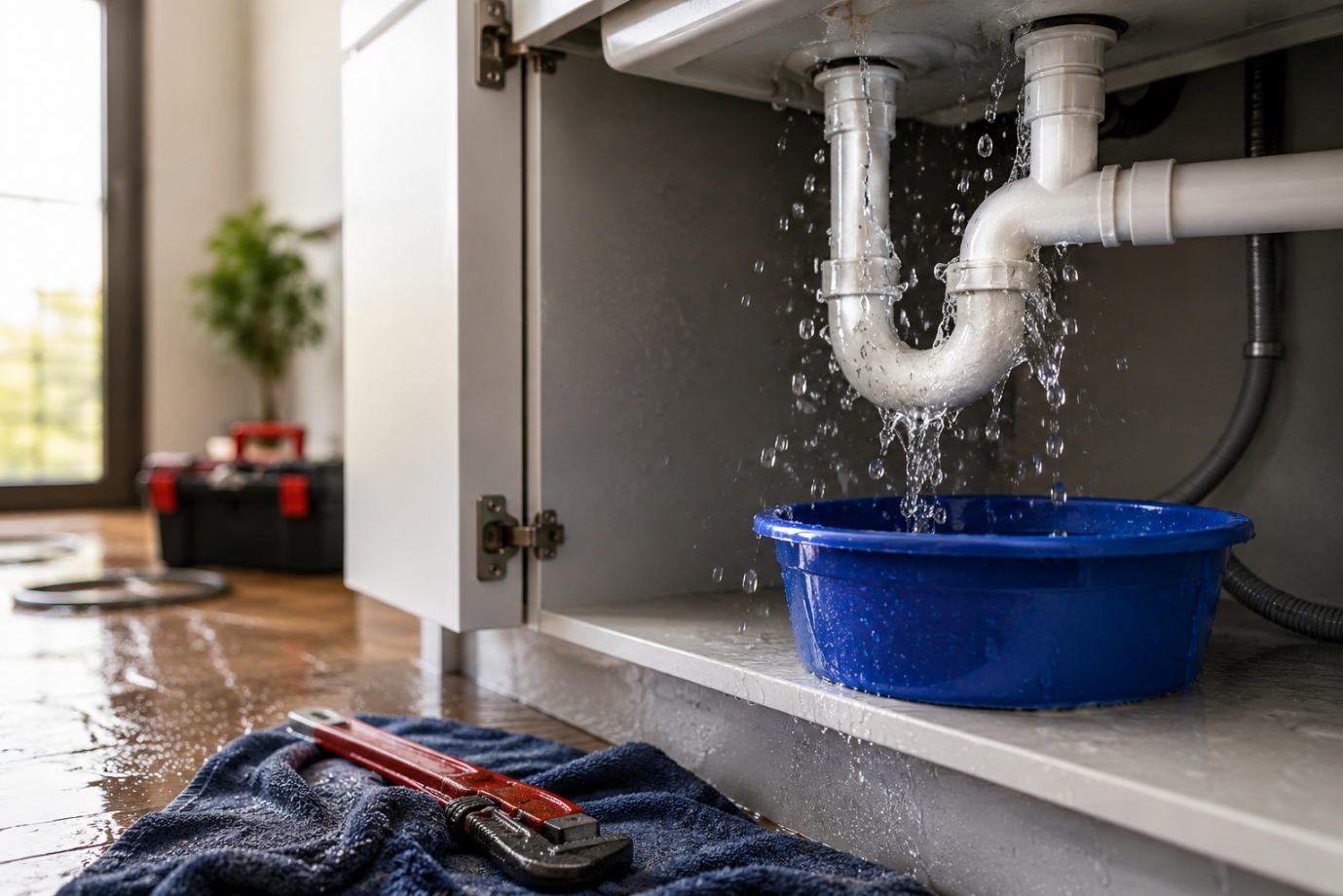
Plumbing emergencies rarely happen at a convenient time. A burst pipe in the middle of the night, an overflowing toilet during a family gathering, or a sudden loss of hot water can quickly turn into a stressful and costly situation if not dealt with promptly. While some plumbing issues develop gradually, others occur without warning, making it essential for homeowners to know how to respond.
Understanding the common causes of plumbing emergencies and taking preventative measures can minimise damage, reduce repair costs, and help protect your home throughout the year.
Not every plumbing issue requires immediate attention, but some problems should never be ignored. Knowing the difference between a minor inconvenience and a genuine emergency can help you take the appropriate action.
Common plumbing emergencies include:
The sooner these problems are addressed, the less chance they have of causing structural damage or expensive repairs.
One of the simplest yet most important things every homeowner should know is the location of the main stop tap. Turning off the water supply quickly can significantly reduce flooding if a pipe bursts or a major leak develops.
Every member of the household should know where the stop tap is located and understand how to operate it. Testing it occasionally also ensures it hasn't become stiff or seized through lack of use.
Keeping this simple piece of knowledge in mind can save thousands of pounds in repair costs during an emergency.
Although some minor plumbing issues can be managed temporarily, major leaks, burst pipes, or overflowing drains usually require immediate professional attention.
Keeping the contact details of reliable 24 Hour Local Plumbers readily available means you can respond quickly when an emergency occurs, helping to minimise damage and restore your home's plumbing system as safely as possible.
Preparing in advance removes unnecessary stress during situations where every minute matters.
Cold weather is one of the leading causes of plumbing emergencies in the UK. Water expands as it freezes, placing pressure on pipework until it eventually cracks or bursts.
To reduce the risk:
These simple precautions can greatly reduce the likelihood of costly winter plumbing repairs.
Blocked drains often develop slowly but can become emergency situations if wastewater begins backing up into sinks, showers, or toilets.
Avoid disposing of:
Using sink strainers and regularly flushing drains with hot water can also help keep pipework flowing freely.
Preventative maintenance is far easier and less expensive than dealing with severe blockages.
Not all plumbing problems are immediately visible. Small leaks beneath sinks, behind appliances, or inside walls may continue unnoticed for weeks before causing damp, mould, or structural damage.
Regularly inspect:
Early detection allows repairs to be completed before more extensive damage occurs.
Many plumbing emergencies involve heating and hot water systems. Boilers work harder during colder months, making regular servicing particularly important.
An annual service carried out by a qualified engineer helps identify worn components, maintain efficiency, and reduce the likelihood of unexpected breakdowns.
Simple maintenance also extends the lifespan of your heating system while improving household safety.
During a plumbing emergency, quick action makes a significant difference. Every household should have a basic plan that includes:
Preparing in advance allows you to respond calmly and confidently should an emergency arise.
Plumbing emergencies are impossible to predict entirely, but homeowners can greatly reduce both their frequency and their impact through regular maintenance and sensible preparation.
Understanding the warning signs, protecting pipework during winter, maintaining boilers, preventing drain blockages, and knowing how to shut off the water supply all contribute to safeguarding your property.
By combining preventative maintenance with a clear emergency plan and prompt professional assistance when required, you can minimise disruption, avoid unnecessary repair costs, and keep your home's plumbing system operating safely and efficiently throughout the year.
Olivia Bennett has over 12 years of experience helping homeowners transform their spaces with practical, thoughtful solutions. She guides projects of all scales, blending creativity with efficiency and attention to detail to achieve lasting results. Olivia holds a degree in Interior Architecture from the University of Michigan and draws inspiration from global design trends and architecture, ensuring every space is both functional and beautifully considered.





No Comments