






Foundation repair cost depends on the damage, the repair method, your foundation type, and where you live.
Sealing a small crack may cost a few hundred dollars. Installing foundation piers to stop a settling house can cost thousands.
Across the US, homeowners pay between $2,224 and $8,134 for foundation repair, with an average of $5,179.
That comes from This Old House's 2026 cost guide, which is built on Angi pricing data. Severe problems can top $20,000, so treat these numbers as a starting point, not a quote.
This guide covers average foundation repair prices, costs by repair method and foundation type, and what pushes estimates up.
It also covers extra expenses, real-world examples, how to compare quotes, and ways to save money.
How Much Does Foundation Repair Cost?
The average foundation repair cost in the US is about $5,179 per project, and most homeowners pay between $2,224 and $8,134. That figure comes from This Old House (2026), which uses Angi data, so the two shouldn't be counted as separate estimates.
Two independent guides land close by. Fixr lists a $5,200 average (updated January 2026), and Modernize lists about $5,000 (updated August 2026). Each guide uses its own method and doesn't define "average" in exactly the same way, so use them as a cross-check, not an exact match.
| Cost measure | Price |
| National average | $5,179 per project |
| Typical price range | 8,134 |
| Minor repairs (crack sealing) | 800 |
| Major structural repairs | 3,000 per pier; 23,000 for foundation lifting |
That range covers a lot of ground. A cosmetic fix, like sealing a small crack, costs a few hundred dollars. Structural work, like piers or lifting a house, can cost many times the average.
What does the average include? Guides call it the average cost per project, but they don't always spell out what's inside. Labor and materials are normally part of a repair price. Permits and engineer reports are often listed separately, so ask every contractor what their number covers.
You may also see much higher averages. One contractor-run guide, Olshan Foundation Repair, reports $11,950 for 2026. Numbers like that often come from a different mix of jobs, so don't set them next to an all-repairs average.
What about foundation repair cost per square foot? Some guides use this measure, with ranges of about $1.50 to $12 (Angi, 2025) or $2 to $9 (Modernize, 2026). It fits surface work like slab leveling, where the job covers an area. It's a poor guide for structural repairs. A small area that needs underpinning can cost far more than a large area that only needs crack sealing, and piers are priced per pier. Ask how a contractor built their number before you compare bids.
Your final estimate depends on the size of the damage, the repair method, your soil, your foundation type, and local labor rates. We cover each one below.
Foundation Repair Cost by Repair Method
The right fix depends on the cause of the damage, not just the crack or sloping floor you can see. Prices are also quoted in different ways. Check whether a figure is per crack, per pier, per wall, per square foot, or per project. Some guides put foundation repair cost per square foot at $1.50 to $12, but that is only a rough guide.
Foundation Crack Repair Cost
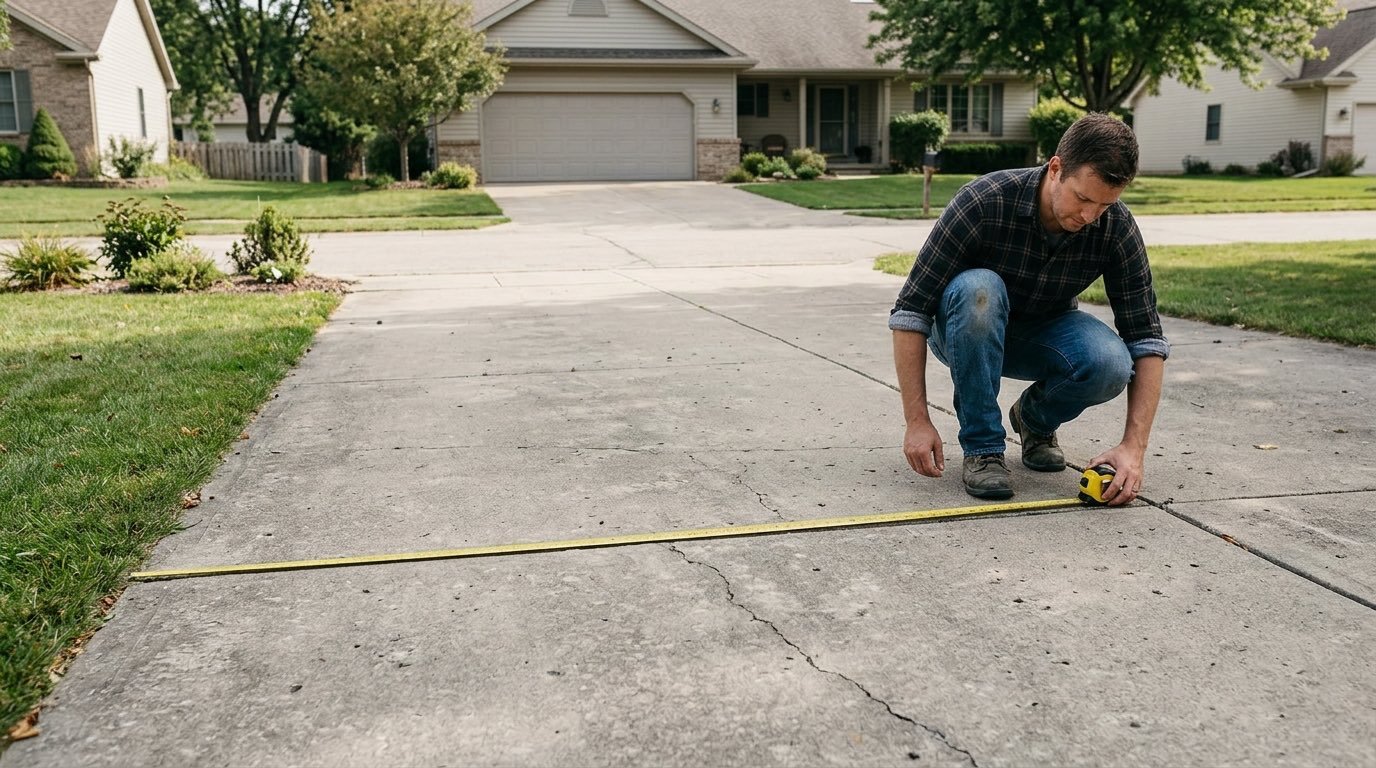
Small, nonstructural cracks are the cheapest problem to fix. Filling a crack with epoxy, polyurethane, or hydraulic cement costs about $250 to $800. Epoxy bonds the crack firmly. Polyurethane stays flexible, which is why it's often used on cracks that leak.
| Crack repair | Typical cost |
| Sealing or injecting a small crack | 800 |
| Broader crack repair (several cracks, reinforcement) | 1,895 |
Price rises with crack length, water coming through, and signs of ongoing movement. Keep in mind that filling a crack treats the symptom. If shifting soil or poor drainage caused it, the crack can come back.
Foundation Leveling and Slab Jacking Cost
Slab jacking, also called mudjacking, pumps grout under a sunken concrete slab to lift it back into place. Polyjacking does the same job with expanding polyurethane foam. Most projects cost $550 to $1,300, and some guides report up to $1,900. Mudjacking is also quoted at roughly $3 to $8 per square foot.
The price depends on how big the area is, how far it sank, and how easily crews can reach it. Leveling a slab is not the same as stabilizing a settling structure. If soil keeps washing out or shifting, the slab can sink again.
Foundation Piering and Underpinning Cost
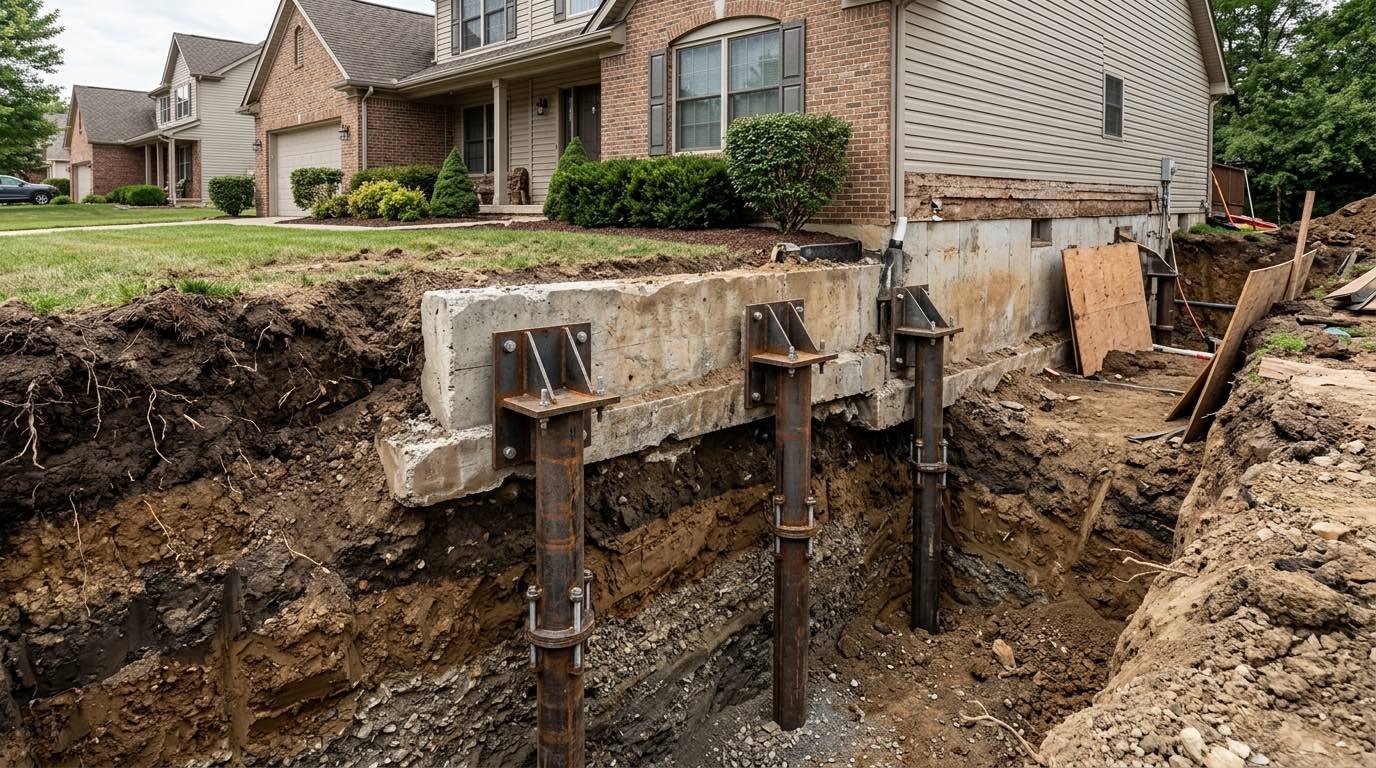
Piers are steel or concrete supports pushed or screwed deep into stable soil beneath a settling foundation. Underpinning is the wider process of adding that support. Piering usually costs $1,000 to $3,000 per pier.
| Method | Purpose | Pricing basis |
| Helical piers | Threaded steel shafts screwed into the soil | Per pier (3,000 for piering overall) |
| Push piers | Smooth shafts driven down with a hydraulic pump | Per pier (3,000 for piering overall) |
| Foundation lifting | Raises a badly settled home back to level | 23,000 per project |
The number of piers, their depth, soil conditions, and how hard they are to install all move the price. Structural stabilization costs more than crack repair because it carries the weight of the house and needs heavy equipment.
Basement Wall and Foundation Waterproofing Costs
Bowed or leaning basement walls are often reinforced with steel or carbon fiber strips. Waterproofing and crack sealing are separate jobs that keep water out.
| Repair | Purpose | Typical cost |
| Wall reinforcement | Strengthens bowed walls | 12,000 (about 12 strips) |
| Waterproofing and sealing | Stops leaks | 7,300 |
Waterproofing can mean interior drainage, exterior waterproofing, or both. Exterior work costs more because crews must dig along the wall. Waterproofing won't straighten a bowed wall, and reinforcement won't stop a leak. Many basements need both.
Foundation Repair Cost by Foundation Type
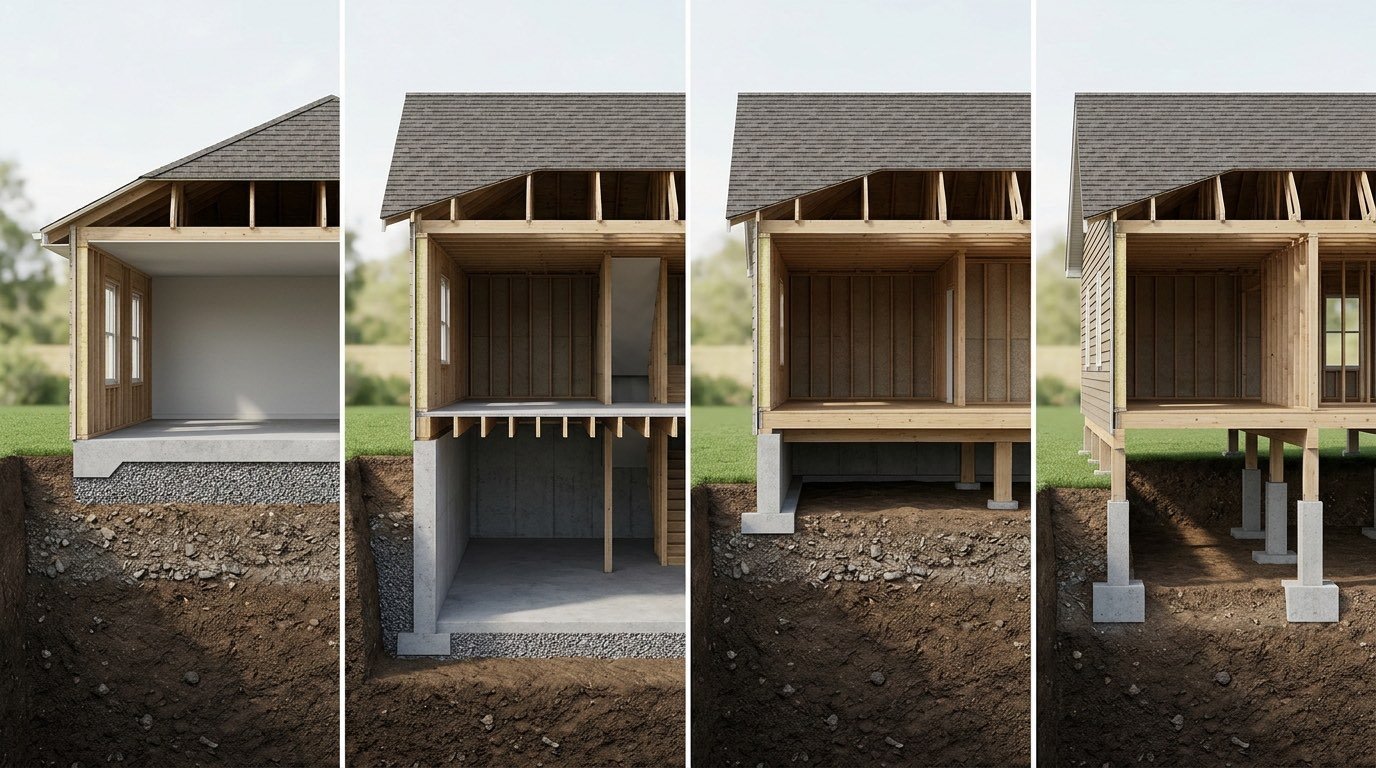
Each foundation type breaks down in its own way, so repair plans and budgets differ. The ranges below come from Fixr's 2026 guide. Other guides publish different numbers, so use them as a rough comparison.
| Foundation type | Common problems | Common repairs | Typical cost |
| Concrete slab | Cracks, settling, uneven floors | Crack injection, slab lifting, underpinning | 10,000 |
| Basement | Wall cracks, leaks, bowing | Waterproofing, wall reinforcement | 25,000 |
| Crawl space | Sagging floors, weak supports | Support replacement | 12,000 |
| Pier and beam | Shifting piers, sagging floors | Pier repair, support replacement | 15,000 |
Concrete Slab Foundations
A slab sits right on the ground, so soil movement shows up as cracks or uneven floors. Crack injection, slab lifting, and underpinning are the usual fixes. Price follows the size of the problem area. Repairing one sinking corner costs far less than lifting the whole slab.
Basement Foundations
Basements face wall cracks, water, and bowing. Stopping water and straightening walls are different jobs with different costs, as covered above. Digging along the outside of a wall adds labor, and limited access can add more. Basements are among the most expensive foundations to repair.
Crawl Space and Pier-and-Beam Foundations
These homes sit on short walls or piers with open space below. Floors may sag when supports rot or shift. Repairs often mean replacing supports or fixing piers. That open space can make work easier, but a cramped or wet crawl space slows crews and raises labor costs.
What Factors Affect Foundation Repair Costs?
Two homes with similar-looking problems can get very different estimates. These five factors explain most of the gap.
Severity and Extent of Foundation Damage
A hairline crack caught early might cost $250 to $800. If it widens and affects the structure, repairs can reach $10,000 to $15,000 or more. More damaged areas, more movement, and more broken parts all mean more labor.
Soil Conditions and Foundation Movement
Expansive clay swells when wet and shrinks when dry, which moves foundations. Erosion, poor drainage, and loose soil cause trouble too. Soil can decide the repair method and how deep piers must go. On one This Old House project, a soil test showed a planned 3-foot trench had to go down 9 feet, which raised both labor and material costs.
Home Size and Repair Accessibility
The size of the damaged area matters more than the size of your house. Mature landscaping, tight side yards, and no room for equipment push crews toward slower hand work.
Location and Labor Costs
Foundation labor averages around $200 an hour. Cities often cost more, while rural areas may add travel charges. Local building rules and regional soil, like clay in parts of Texas or freeze-thaw cycles in cold states, also shape prices.
Permits, Engineering Reports, and Additional Work
Permits usually cost $75 to $150. A structural engineer report runs $500 to $1,000, and soil testing can cost $500 to $3,000. Many repair companies offer free inspections, but an independent report costs extra.
| Cost factor | Possible effect on the estimate |
| Bigger or worse damage | More labor and materials |
| Clay or unstable soil | Deeper piers or extra drainage work |
| Poor access | More hand work, special equipment |
| Local labor rates | Higher or lower hourly costs |
| Permits and reports | Added fixed fees |
Additional Costs to Budget for
A foundation repair estimate often covers only the repair itself. Other costs may show up later or be listed on separate lines. Some contractors bundle these items, while others charge for each one.
- Structural engineer report: About $500 to $1,000. It names the problem and the recommended fix.
- Soil testing: About $500 to $3,000. It helps when soil conditions may have changed since the house was built.
- Permits and inspections: Permits average $75 to $150, and some towns require several inspections.
- Excavation and site preparation: Digging, moving plants, and clearing space for equipment.
- Drainage and waterproofing: Gutters, downspouts, grading, or a drain system to fix the cause of the movement.
- Finishes: Repairing landscaping, concrete, flooring, or drywall that crews disturb or that cracked from the damage.
- Temporary relocation: Most repairs let you stay home, but larger projects may require a short stay elsewhere.
- Surprises: Old repairs or tree roots can appear mid-job. Setting aside $1,000 to $2,500 is a smart cushion.
Foundation Repair Cost Examples: What Homeowners Might Pay
These are hypothetical examples. Real prices vary, and two homeowners with the same symptoms won't always pay the same amount. Dollar figures come from the ranges above.
| Example | Possible repair | Main cost factors |
| Small crack | Crack injection or sealing | Crack length, water intrusion |
| Settling slab | Leveling or underpinning | Affected area, soil conditions |
| Structural settlement | Piering or stabilization | Number of piers, installation depth |
Small crack. A homeowner finds a thin, dry crack in a basement wall, and doors still close fine. A pro might inject epoxy or polyurethane for about $250 to $800. Extra work could include fixing a gutter that dumps water nearby.
Settling slab. One corner of a concrete slab has sunk, and a floor slopes slightly. Slab jacking or polyjacking often costs $550 to $1,300. If soil is the cause, underpinning may be needed, and a soil report could add $500 to $3,000.
Structural settlement. Doors stick, floors slope, and brick shows stair-step cracks. A contractor suggests piers at $1,000 to $3,000 each. Six piers would run roughly $6,000 to $18,000 before extras like an engineer report, permits, and drywall repair. Severe cases needing foundation lifting can reach $20,000 to $23,000.
How to Get and Compare Foundation Repair Estimates
A strong foundation repair estimate explains the problem, not just the price. Getting a few detailed quotes helps you see which contractor understands your home best, and which price is fair.
What Should a Foundation Repair Estimate Include?
Look for these items in writing:
- The cause and extent of the damage
- The recommended repair method and why
- The amount of work and materials involved
- Labor, permits, and other included costs
- Extra work that might be needed later
- Warranty terms, including exclusions
- Payment schedule and project timeline
How Many Foundation Repair Quotes Should You Get?
Aim for at least two or three quotes from qualified foundation repair contractors when you can. Make sure each one covers the same scope of work. Then compare the proposed fix, what's included, the warranty, and the total cost. The lowest price isn't always the best deal if it skips part of the problem.
When Should You Get a Structural Engineer's Opinion?
An independent structural engineer is worth hiring when movement is significant, contractors disagree, or the work is major, like piers or lifting. The engineer has no repair work to sell, so the advice stays neutral. The $500 to $1,000 report can also give you a clear scope to share with every contractor.
How to Save Money on Foundation Repairs
Saving money should never mean ignoring a serious problem. These steps can lower costs safely.
- Fix drainage first. Clean gutters, extend downspouts, and slope soil away from the house. Water often causes the movement in the first place.
- Get multiple estimates. Compare scope, not just price.
- Ask if the fix treats the cause. A cheap crack seal may be wasted if soil movement continues.
- Compare warranties. A transferable warranty can protect you and help when you sell.
- Ask about payment options. Many contractors offer financing, and foundation repair financing can spread out a large bill.
- Skip cosmetic repairs for now. Patching drywall or painting before the structure is fixed often means doing it twice.
- Ask about timing. In cold areas, companies may be less busy in winter and offer better rates.
- Don't wait. A small crack caught early might cost a few hundred dollars. Waiting can push repairs toward $10,000 or more.
On DIY, minor upkeep is fine, like cleaning gutters, regrading soil, or repainting. Leave structural work, like piers, jacking, and wall reinforcement, to qualified professionals. If a crack is wider than 1/8 inch or keeps growing, have a pro look at it.
Conclusion
Your foundation repair cost depends on the type and severity of the damage, the repair method, and local conditions.
A national average of about $5,179 is only a starting point, not a promise. Your quote could land well below or far above it.
Learn what's causing the problem, then compare detailed estimates from more than one contractor.
If you see sticking doors, sloping floors, or widening cracks, schedule a professional inspection soon. Catching foundation damage early almost always keeps the bill smaller.
Frequently Asked Questions
Does homeowners insurance cover foundation repair?
Usually not. Insurers often treat gradual settling and wear as maintenance. A policy may cover damage from a sudden, covered event, such as a burst pipe. Read your policy's exclusions, and call your insurer before you assume coverage.
Can you live in a house while the foundation is being repaired?
Often, yes. Most repairs don't require you to leave, but large projects may call for planning. Ask your contractor about structural safety, blocked areas, noise, and whether water, gas, or electricity will be shut off at any point.
How long does foundation repair take?
It depends on the job. Crack sealing and a few piers can take a day or two. Waterproofing or wall bracing may take several days, and major underpinning can run a week or more. Weather, permits, digging, soil, and the number of repair spots all affect the schedule.
Is foundation repair tax deductible?
For a primary home, repair costs are generally not deductible. Some improvements may add to your cost basis when you sell. Rental and business properties can be treated differently, including how repairs and capital improvements are counted. A qualified tax professional can advise on your property.
Does foundation repair increase a home's value?
It can make a home easier to sell by settling buyer concerns, but it doesn't guarantee a set increase in value. Keep contracts, engineer reports, and any transferable warranty. Disclosure rules vary by state, so talk to a local real estate professional about your situation.