
12 Modern Christmas Decor Ideas Garland for Every Room
There's something magical about walking into a home decorated with


A dripping faucet is annoying, but the most expensive plumbing problems rarely announce themselves so clearly. Water can escape behind bathroom walls, corrosion can weaken aging pipes, and declining pressure can make everyday tasks increasingly frustrating.
Homeowners often respond to these problems individually. They repair one leak, replace a faulty fixture, and hope the plumbing system will continue functioning. Sometimes that approach works. Other times, repeated repairs conceal a much larger problem developing throughout the property.
Residential plumbing deserves attention because it affects everything from drinking water and sanitation to structural protection and household expenses.
Recognizing the warning signs of deterioration can help homeowners distinguish between ordinary maintenance issues and problems that require more substantial improvements.
An isolated leak doesn't necessarily mean an entire plumbing system is failing. Connections can loosen, seals deteriorate, and individual pipes occasionally develop damage.
However, recurring leaks in different locations deserve closer investigation.
Older galvanized steel pipes may corrode internally, while other materials can deteriorate because of installation defects, water chemistry, or prolonged stress.
When damage becomes widespread, whole-house repiping may be a more practical solution than repeatedly repairing individual sections.
This process involves replacing deteriorated water supply lines with suitable modern piping materials, often including copper or cross-linked polyethylene, commonly called PEX.
A licensed plumber should evaluate pipe condition, system layout, water quality, and previous repairs before recommending extensive replacement.
Repiping is a significant investment, and not every leak justifies it.
The important distinction is whether the problem involves one damaged component or a broader pattern of plumbing deterioration.
A weak shower can make mornings frustrating, but replacing the showerhead won't necessarily solve the underlying issue.
Low water pressure can result from partially closed valves, faulty pressure regulators, leaks, or restrictions inside supply pipes.
In older homes, mineral deposits and corrosion may gradually narrow the internal diameter of certain pipes.
This restriction can reduce water flow, particularly when several fixtures operate simultaneously.
Homeowners should observe whether the problem affects one faucet or multiple locations.
A single affected fixture may indicate a localized obstruction, while widespread problems deserve broader investigation.
Professional testing can help distinguish inadequate pressure from restricted flow.
Increasing pressure without identifying the cause may place unnecessary stress on plumbing components.
The correct repair depends on understanding how water moves through the system.
Water that appears brown, yellow, or reddish can be unsettling.
Discoloration sometimes occurs after utility maintenance or temporary disturbances in the public water supply.
However, recurring discoloration may indicate corrosion within household plumbing.
Rust particles can enter the water when aging iron or steel pipes deteriorate.
Changes in water appearance should never be dismissed automatically as harmless.
Homeowners can contact their water utility to determine whether a broader supply issue has been reported.
If discoloration persists or affects particular fixtures, professional plumbing assessment may be appropriate.
Water testing can help identify relevant quality concerns.
Avoid assuming that clear water guarantees the absence of contaminants, since some substances cannot be detected visually.
Identifying the source is essential before deciding whether treatment, targeted repairs, or pipe replacement is necessary.
Water escaping inside walls or beneath flooring may remain unnoticed for weeks.
By the time stains appear, moisture could already have affected insulation, wooden framing, or surrounding finishes.
Common warning signs include unexplained damp patches, peeling paint, musty odors, and flooring that begins to warp.
An unexpected increase in water consumption can also suggest a leak.
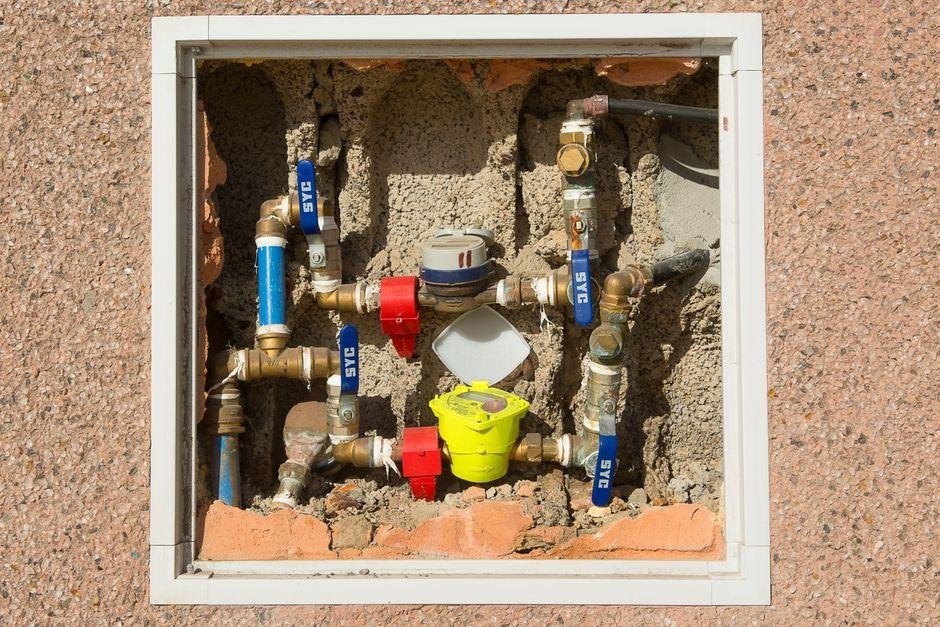
Homeowners can compare water meter readings when all fixtures and water-using appliances are turned off, following the utility's guidance.
However, this simple check doesn't identify every possible leak.
Professional leak detection may be necessary when damage is concealed.
Prompt repairs help limit moisture exposure and reduce the likelihood of additional deterioration.
After the leak is corrected, affected materials may require drying or replacement.
Covering stains without addressing trapped moisture can allow the problem to continue.
While low pressure attracts complaints, excessive water pressure can also cause problems.
High pressure places additional stress on supply lines, valves, appliance connections, and plumbing fixtures.
Over time, this may contribute to premature wear or leakage.
Some homes use pressure-reducing valves to maintain appropriate operating conditions.
When these devices malfunction, household pressure may rise beyond recommended levels.
A plumber can measure static and operating pressure and evaluate whether adjustment or equipment replacement is necessary.
Homeowners should also understand that sudden pressure changes can contribute to water hammer, the banging sound sometimes heard when valves close quickly.
Water hammer may require specific corrective measures depending on the plumbing layout.
Maintaining suitable pressure protects components without sacrificing normal household convenience.
The age of a house can provide clues about its plumbing, but construction year alone doesn't establish pipe condition.
Some older homes have already received substantial upgrades, while newer properties may experience problems caused by installation defects.
Different piping materials have distinct performance characteristics and maintenance concerns.
Galvanized steel can experience internal corrosion. Certain older plastic piping systems have histories of premature failure.
Lead-containing plumbing materials also require particular attention because of potential drinking water contamination.
Homeowners purchasing older properties should ask about previous plumbing replacements and available inspection records.
A qualified professional can identify visible materials and recommend additional testing when necessary.
Replacing aging pipes proactively may be appropriate when deterioration is extensive.
However, decisions should reflect actual condition, applicable codes, and the risks associated with the existing system.
Not every residential plumbing problem begins with water supply pipes.
Drainage systems face their own challenges, particularly when unsuitable materials enter household drains.
Cooking grease, wipes, excessive paper products, and accumulated debris can contribute to blockages.
Slow drainage from one fixture may indicate a localized obstruction.
When several fixtures back up simultaneously, the problem may involve a shared drain or main sewer line.
Homeowners should avoid repeatedly using harsh chemical cleaners without understanding the cause.
These products may create additional hazards and often fail to resolve structural drainage problems.
Professional drain cleaning or camera inspection can help identify persistent blockages.
Tree roots, damaged pipes, and poor pipe alignment may require repairs beyond ordinary cleaning.
Good disposal habits and timely investigation can prevent small drainage problems from becoming disruptive emergencies.
Most homeowners maintain heating systems and inspect roofing materials, yet plumbing often receives attention only after something breaks.
A simple maintenance routine can help identify deterioration earlier.
Periodically inspect accessible supply lines, appliance connections, shutoff valves, and areas beneath sinks.
Watch for corrosion, moisture, unusual sounds, or changes in water pressure.
Know where the main water shutoff valve is located and ensure household members understand how to use it during an emergency.
Arrange professional inspections when recurring problems suggest hidden deterioration.
Keep records of previous repairs, plumbing materials, and major upgrades.
These details help contractors recognize patterns and recommend appropriate solutions.
For extensive work, request written estimates explaining materials, permits, access requirements, and necessary wall repairs.
The goal isn't to replace every aging component immediately. It's to make informed decisions before avoidable failures cause significant damage.
A reliable plumbing system rarely attracts attention, and that's precisely the point.
By recognizing warning signs, addressing recurring problems, and maintaining essential components, homeowners can protect their properties while avoiding the financial disruption of unexpected plumbing emergencies.
Olivia Bennett has over 12 years of experience helping homeowners transform their spaces with practical, thoughtful solutions. She guides projects of all scales, blending creativity with efficiency and attention to detail to achieve lasting results. Olivia holds a degree in Interior Architecture from the University of Michigan and draws inspiration from global design trends and architecture, ensuring every space is both functional and beautifully considered.





No Comments