
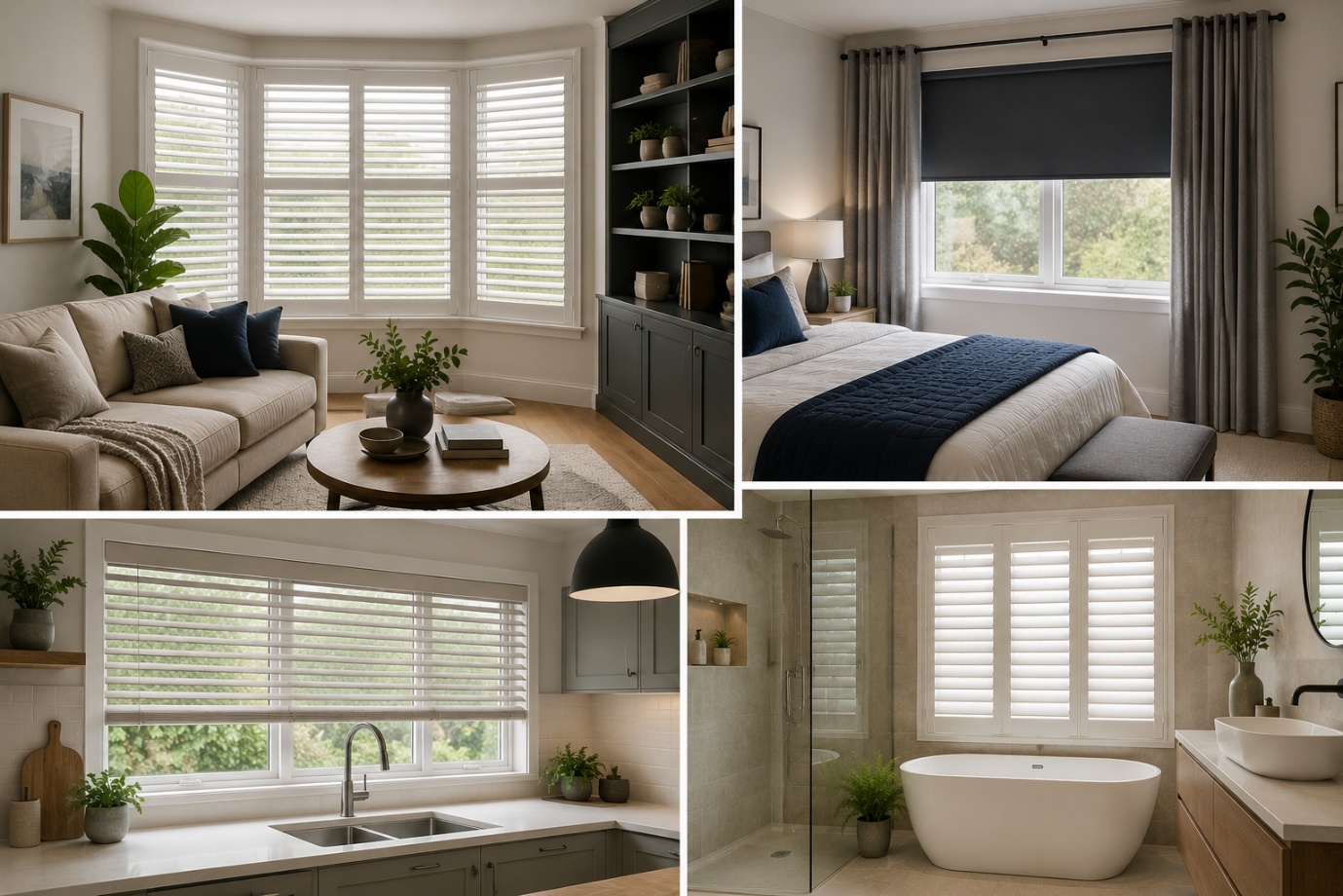
How to Choose the Perfect Window Coverings for Your Home
Window coverings are more than just decorative features. They influence


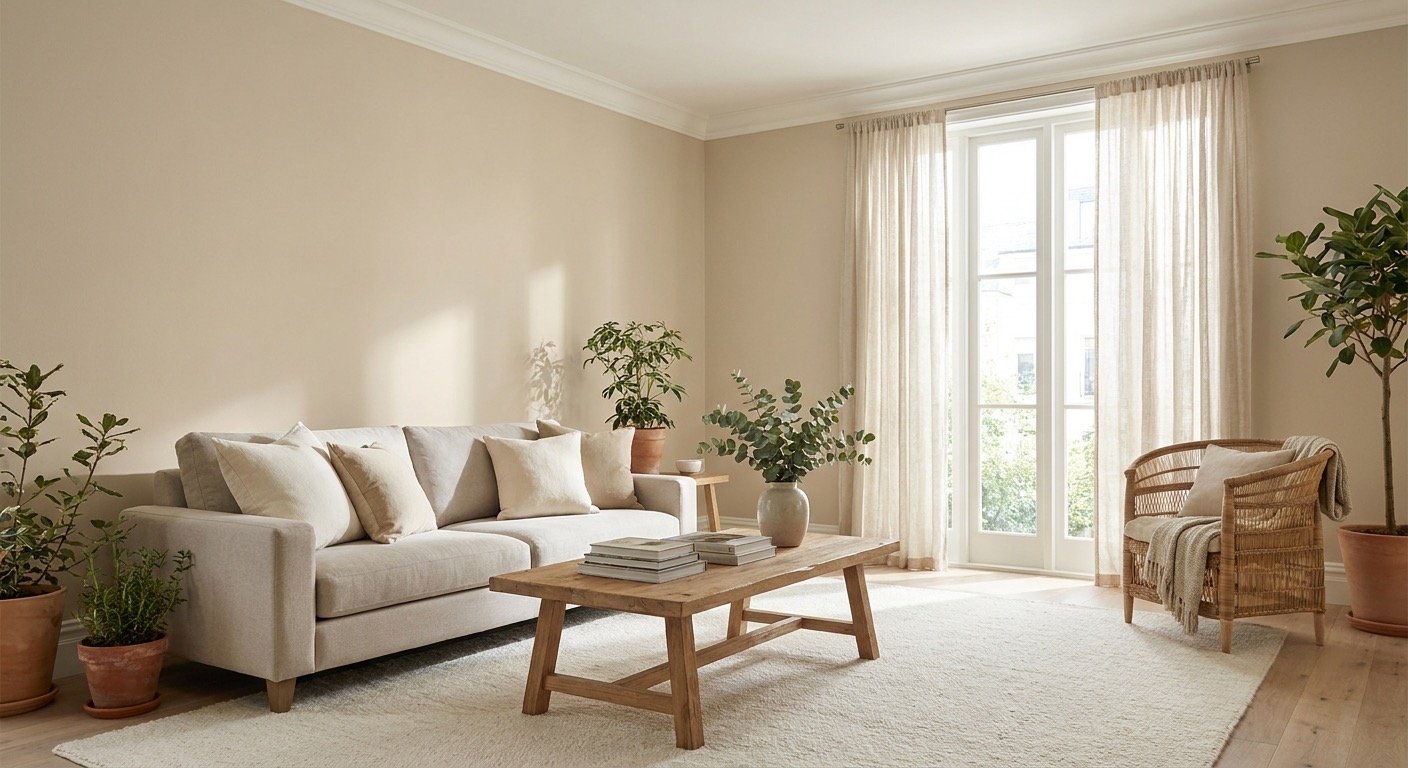
Is Sherwin Williams Natural Tan a good neutral, or will it look too beige in your room? That's the question most people have, and the honest answer is: it depends on your light and your finishes.
Natural Tan (SW 7567) is a soft, warm neutral that sits between beige and light tan.
It works well for many homes, but it can look different from one room to the next.
This guide covers undertones, LRV, lighting, room-by-room uses, coordinating colors, and similar shades. It also tells you when to pick something else.
Natural Tan SW 7567 is easiest to understand with a quick snapshot. The color values below come from the Sherwin-Williams color page.
| Detail | Information |
| Paint brand | Sherwin-Williams |
| Color | Natural Tan |
| Color number | SW 7567 |
| Color collection | Timeless Color |
| Color family | Warm neutral |
| HEX | #DCD2C3 |
| RGB | 220, 210, 195 |
| LRV | 65 (listed as 64.96) |
| General appearance | Soft, light tan/beige neutral |
| Undertones | Warm, yellow-beige lean softened by gray |
| Best suited for | Interiors, cabinets, bedrooms, living spaces, selected exteriors (listed for interior and exterior use) |
LRV stands for Light Reflectance Value. It's a scale from 0 (black) to 100 (pure white) that shows how much light a color bounces back. At 65, the Natural Tan LRV puts it in the lighter-mid range. It brightens a room, but it isn't as airy as a true white.
HEX and RGB are the number codes screens use to show a color. They're handy for design software, but a screen can't match real paint exactly.

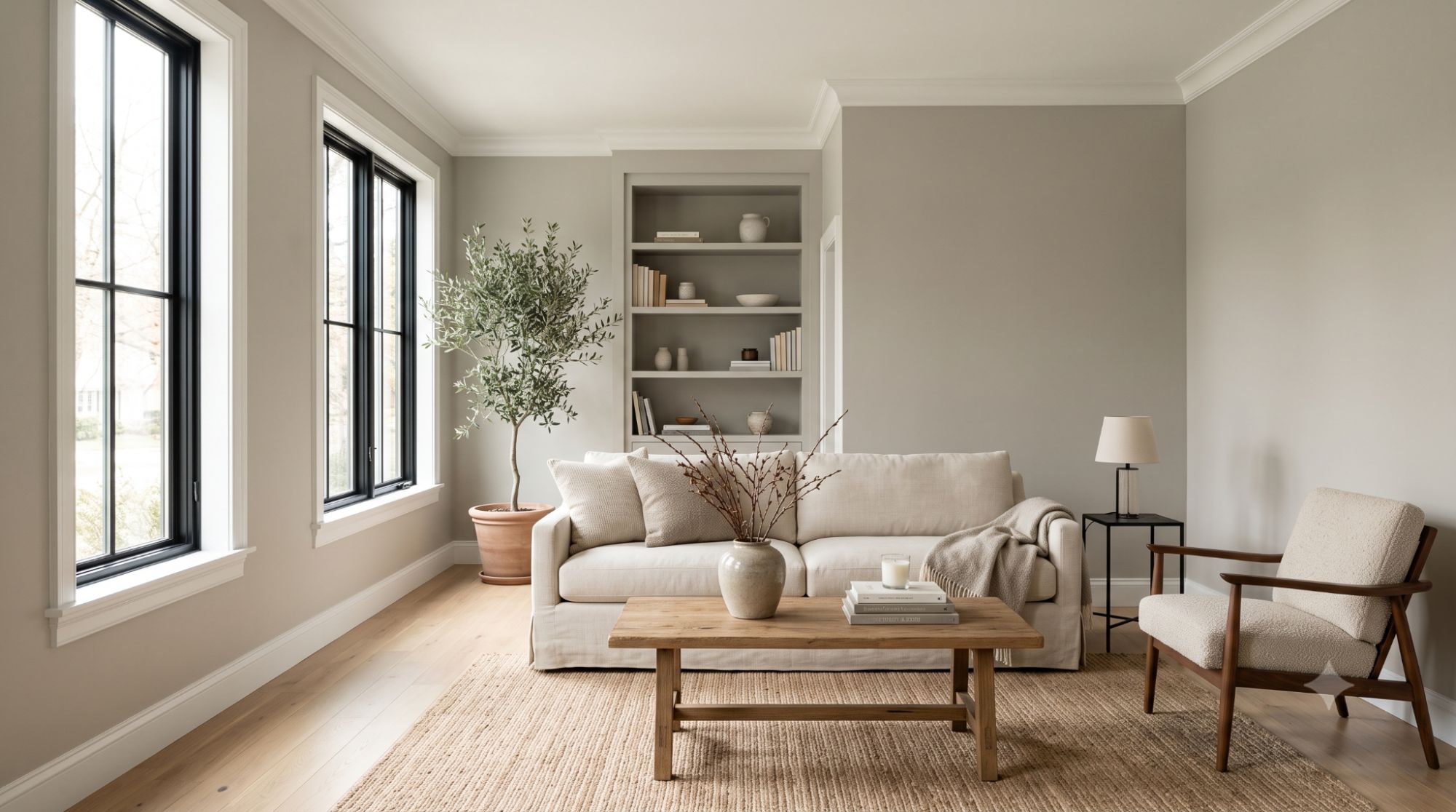
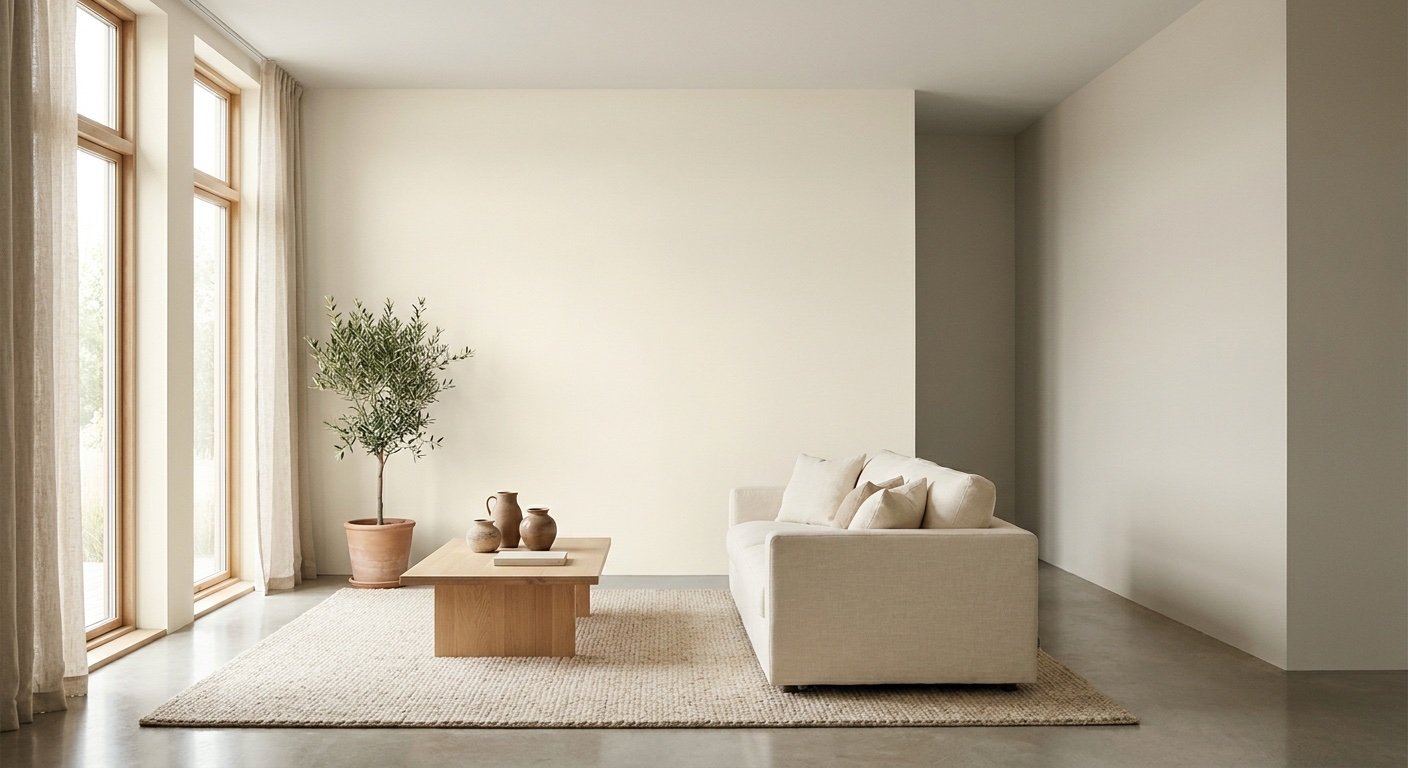
So, what color is Sherwin Williams Natural Tan, really? Think of a soft sandy beige with a little restraint. It sits right where beige, tan, and muted neutral meet.
It doesn't act like a strong yellow or orange tan. It has a low color strength, so the warmth stays gentle and the color feels settled instead of sunny. That's a big reason people use it as a backdrop.
Surroundings matter, too. Next to a creamy white, it can look deeper. Next to a rich wood floor, it can look lighter and softer.
Screens add another wrinkle. Your phone or monitor can't show paint exactly, so treat any online swatch as a rough guide only.
In simple terms:
Natural Tan undertones are a big part of why people like it. An undertone is the faint color hiding beneath the main one. Here, it's a warm yellow-beige, calmed down by gray.
Be aware that reviewers don't all describe it the same way. The Sherwin-Williams color page lists the HEX, RGB, and LRV, but it doesn't name an undertone. Different color guides call it yellow, orange, or taupe, and some see a faint touch of green now and then. The common thread is warm and muted, never loud.
Undertones show up more under certain conditions. A paint chip is tiny, and a whole wall is huge, so the same color can feel stronger once it covers more space.
Things that can make the undertones more visible:
Always judge Natural Tan next to your real flooring, wood, and furniture, not in isolation.

Light is the biggest "mood changer" for any paint color. Natural Tan is no exception. Here's what to expect in each direction.
North light is cooler and softer. Natural Tan can look more muted, with its gray side showing more. Good artificial lighting helps a lot here. Warm-toned bulbs keep the room feeling cozy instead of flat.
South light is warm and bright for much of the day. In these rooms, Natural Tan looks warmer and lighter, and its tan and beige character becomes easier to see. It tends to feel welcoming and sunny.
East rooms get strong morning sun, then cooler light later. West rooms are the opposite, with warm, golden afternoon and evening light.
Because the color shifts through the day, test it at several times before you commit.
Natural Tan is flexible, but each space has its own needs. Here's how it tends to work room by room.

On large walls, Natural Tan gives a smooth, connected look. It's a good fit for open floor plans because it doesn't fight with nearby spaces.

In a bedroom, this color feels calm and easy to rest in. It works well with warm white bedding, natural textures, and wood furniture. Layering soft fabrics keeps the room from feeling plain.

On kitchen walls, Natural Tan can soften the space without making it dark. On cabinets, it gives a gentle, earthy look.

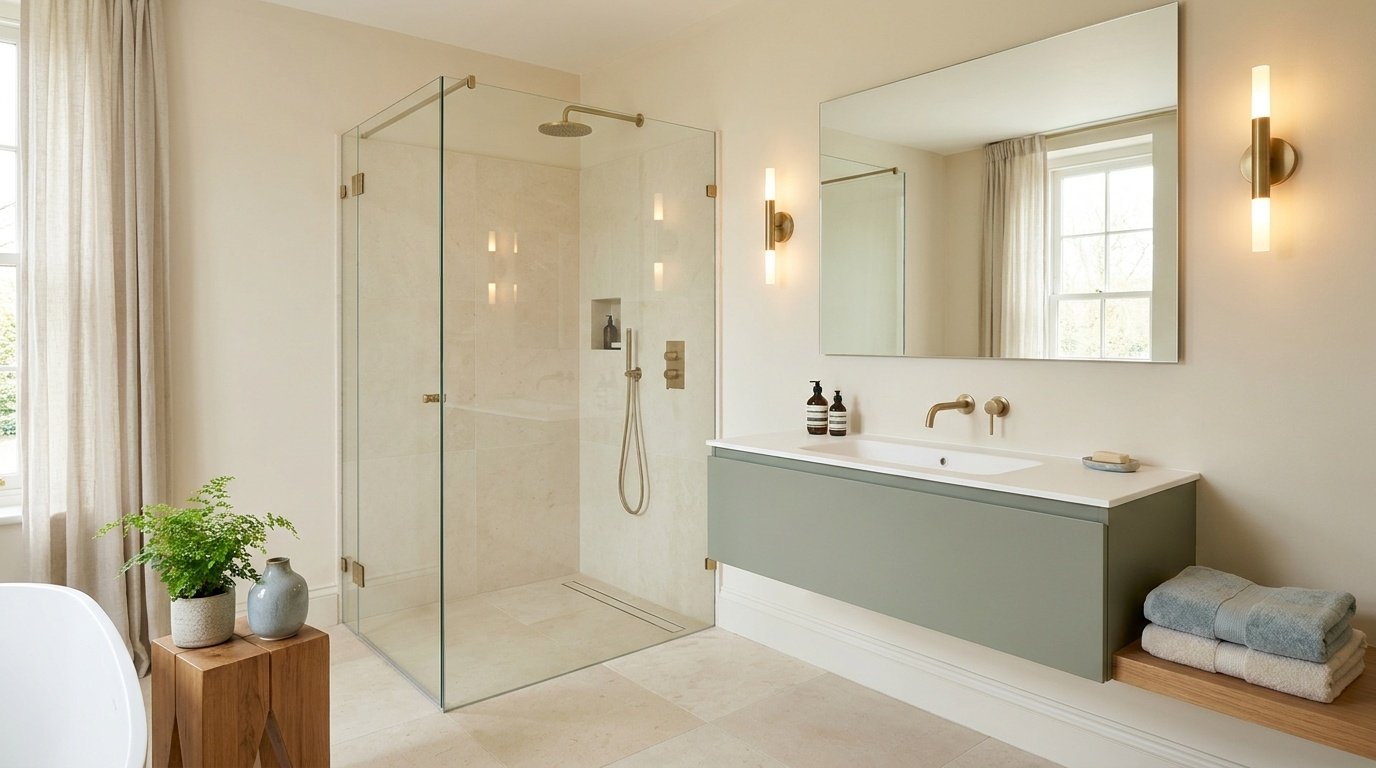
In smaller spaces, Natural Tan keeps things light without feeling cold. It pairs nicely with white fixtures and most flooring. In narrow hallways, good lighting is important so the color doesn't look dull.

Sherwin-Williams lists Natural Tan for both interior and exterior use. It can work on siding or stucco, especially with stone or brick accents. Sunlight outdoors is much stronger, so colors often look different than they do inside.
Before you buy gallons, check:
Looking for colors that go with Natural Tan? Start with real Sherwin-Williams shades, then sample them in your room. The first three below are listed by Sherwin-Williams as coordinating colors for Natural Tan. The last two are popular deep neutrals that designers often use with warm tans, so treat them as ideas to test.
| Sherwin-Williams color | Role with Natural Tan | Overall effect |
| Alabaster SW 7008 | Trim, ceilings | Soft, creamy contrast |
| Westhighland White SW 7566 | Trim, ceilings, cabinets | Warm, gentle white |
| Rare Gray SW 6199 | Accent wall, cabinets, decor | A cooler note against the warmth |
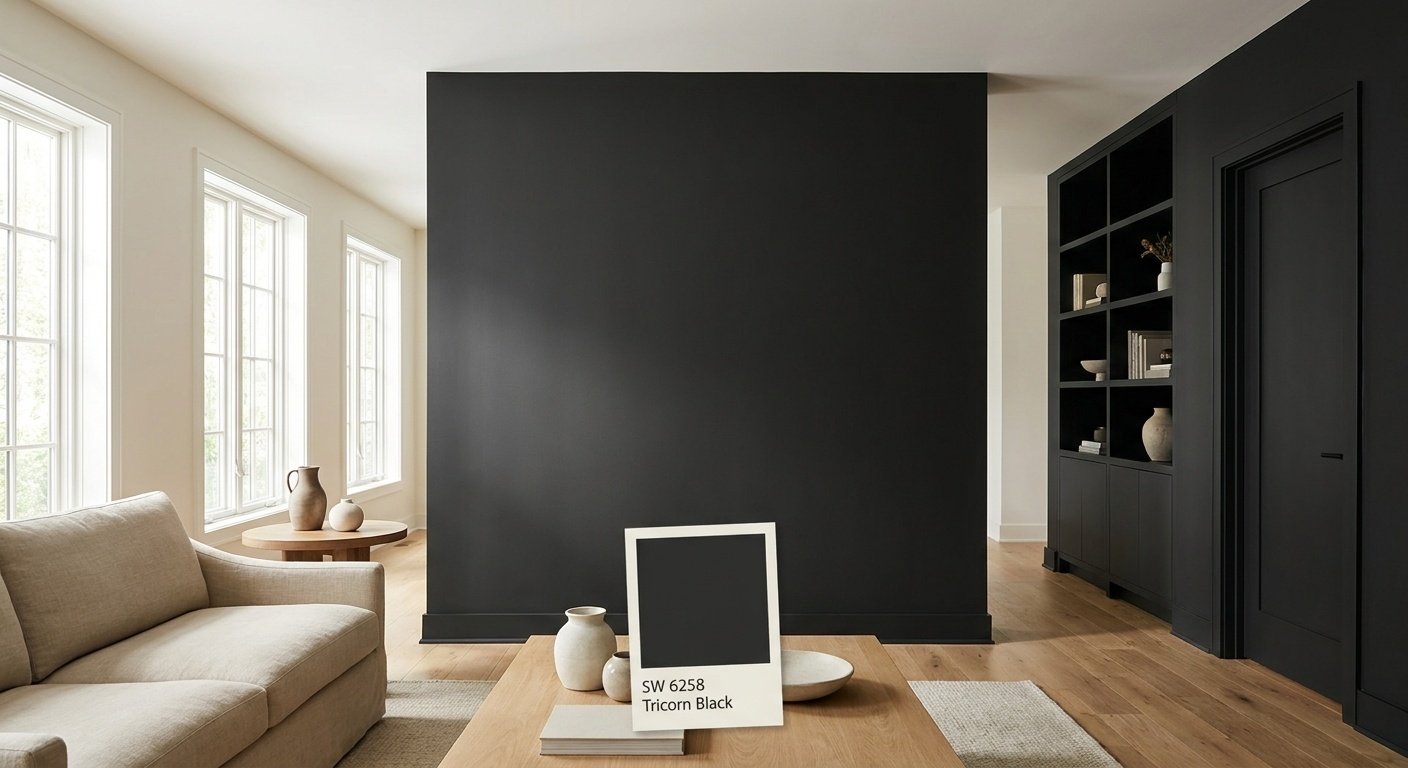
| Urbane Bronze SW 7048 | Front door, exterior accents, furniture | Deep, grounded definition |
| Naval SW 6244 | Doors, cabinets, accent wall | Rich navy contrast |
Natural wood floors and furniture add warmth and work with almost any of these. Muted greens and soft blues can also work in decor and accents, since they add a cooler touch to a warm room.
The best choices depend on your floors, countertops, furniture, and light. A palette that looks great online may feel different in your home, so compare real samples side by side.
Your Natural Tan trim color doesn't have to be a stark, bright white. A very crisp white can look sharp and a little harsh against a soft neutral. A warm white usually feels smoother.
Ceilings matter too. A white ceiling reflects light and can make the walls feel slightly deeper. A softer ceiling shade can make the whole room feel more blended.
A few options worth sampling:
If you're torn between neutrals, this table makes the differences easier to see. LRV numbers come from color databases and Sherwin-Williams data.
| Color | LRV | How it differs from Natural Tan | Best for |
| Natural Tan (SW 7567) | 65 | The baseline: light, warm, and muted | Soft, flexible walls |
| Accessible Beige (SW 7036) | 58 | Deeper and less saturated, so it reads more greige | Whole-home neutral |
| Natural Linen (SW 9109) | 66 | About as light, but slightly more saturated and creamy | Warm interiors |
| Canvas Tan (SW 7531) | 64 | Almost the same lightness, so compare undertone side by side | Traditional/neutral spaces |
| 74 | Noticeably lighter, closer to an off-white | Lighter spaces | |
| Alabaster (SW 7008) | 82 | A creamy white rather than a tan | Trim and ceilings |
Natural Tan vs Accessible Beige is the most common match-up, so here are quick answers:
If you want the lightest feel, look at Shoji White or Alabaster. Natural Linen is the closest match in lightness, with a creamier feel. Always sample these side by side, since they can look close online but different on a wall.
Natural Tan paint works well for many homes, but it isn't a fit for every one. Here's a simple way to decide.
Good choice if you want:
Sample first if you have:
If several "sample first" items sound like your home, don't skip testing.
A good review should say when to look elsewhere. Natural Tan may not be right if:

A little testing now can save you a lot of repainting later.
Sherwin Williams Natural Tan is a soft, warm neutral that suits living rooms, bedrooms, kitchens, and some exteriors. Its muted warmth keeps it calm, and its LRV of 65 keeps rooms bright without feeling stark.
Undertones and lighting are the two biggest things to watch. Put up a large sample, live with it for a few days, and check it against your floors, trim, and countertops. If you want a cool gray or a crisp white, look elsewhere. If it looks balanced in your space, you've found a reliable neutral.
Color data (HEX #DCD2C3, RGB 220, 210, 195, LRV 64.96 and the coordinating colors Alabaster, Westhighland White, and Rare Gray) comes from the Sherwin-Williams color page for SW 7567, checked in October 2026. On-screen colors can vary from the actual paint, so always check Natural Tan against a physical sample.
Sometimes. Warm Natural Tan can look even warmer beside cool gray floors. Gray with a beige or greige tone usually blends better than blue-gray. Test a large sample right next to your flooring.
Yes, many people do. To avoid a flat look, add variety through trim, cabinetry, doors, and accent colors. Keeping the wall color steady helps rooms feel connected and calm.
Yes. A fan deck shows a tiny area, while a wall brings in scale, nearby colors, light bounce, and sheen. A large sample on the wall gives a much more reliable preview.
Several kinds work, including light oak, medium wood, tile, and stone. Focus on undertone instead of one "perfect" floor. Warm or neutral tones usually look best, while very pink or very cool floors need extra testing.
Yes. Shinier finishes reflect more light, so the color can look slightly brighter. Matte and eggshell suit most living areas and bedrooms. Satin or semi-gloss is more common for trim, cabinets, and kitchens or bathrooms.
Daniel Hartman is a color specialist with years of experience helping people make confident and thoughtful design decisions. He provides practical and approachable guidance while balancing creativity and functionality in every project. Daniel enjoys visiting art and design exhibits to study how different environments influence aesthetics, mood, and perception, bringing a rich perspective and insight into his work. His approach makes design decisions both simple and enjoyable.


No Comments