
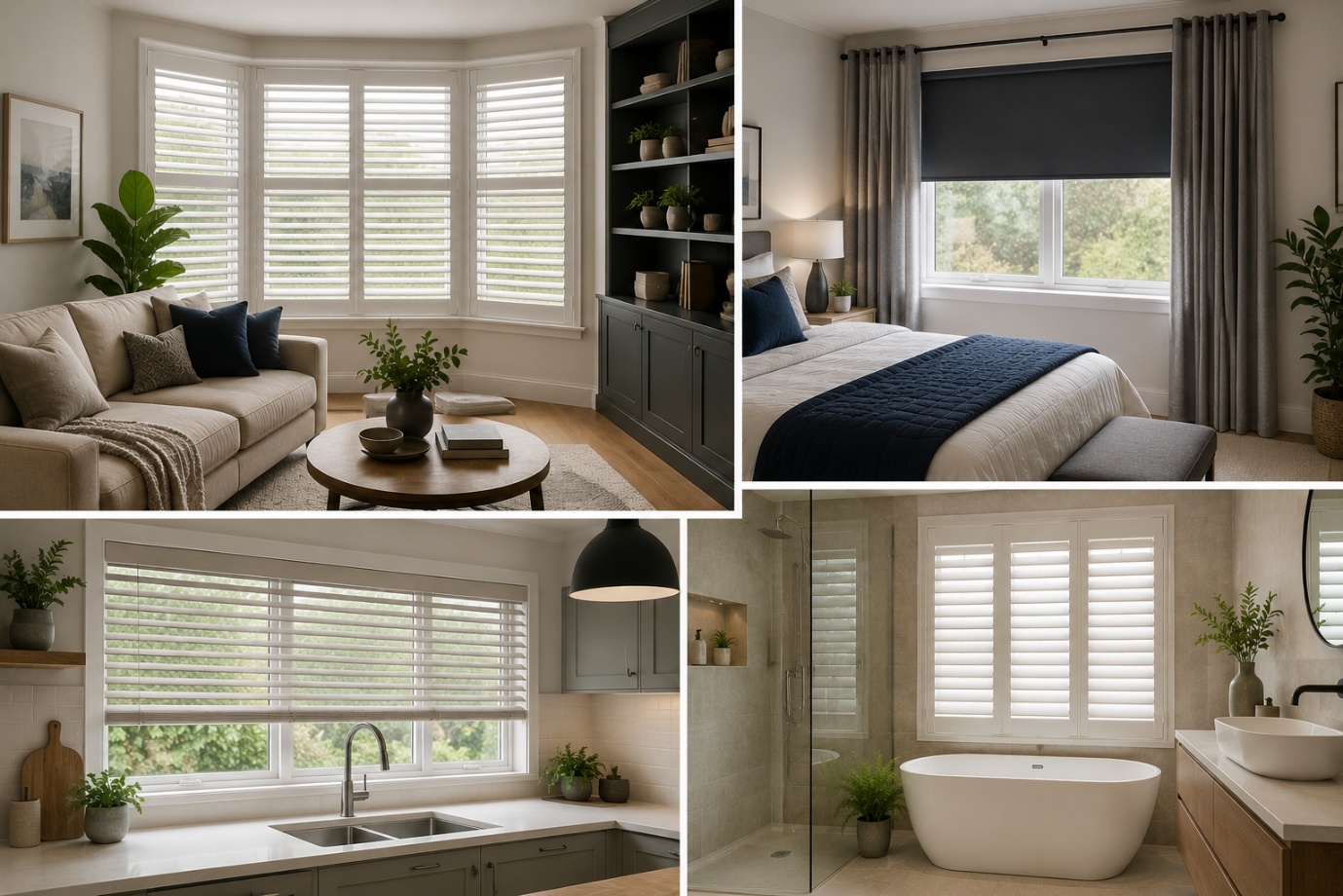
How to Choose the Perfect Window Coverings for Your Home
Window coverings are more than just decorative features. They influence


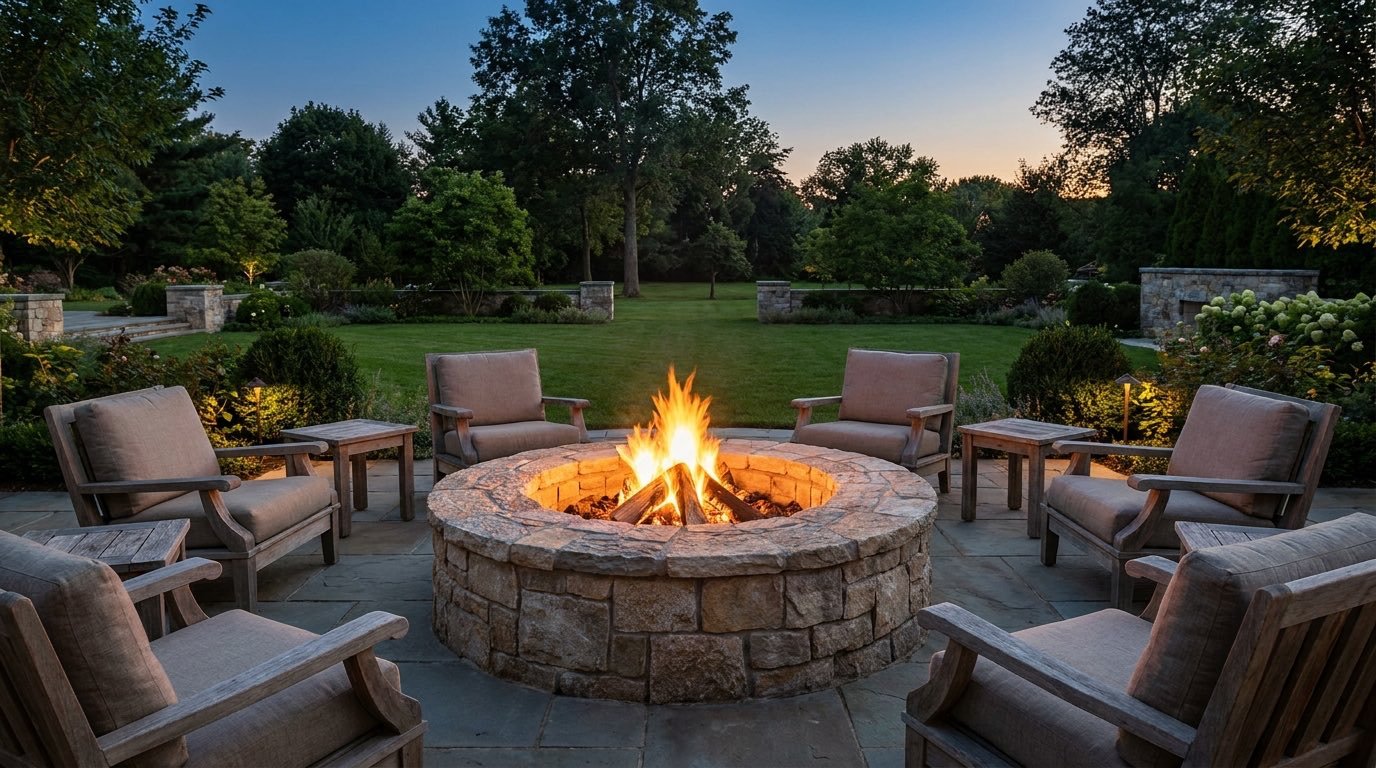
A stone fire pit is an outdoor fire feature built from natural or manufactured stone. Stone looks at home in a yard, holds its shape, and pairs easily with patios, gardens, and seating.
The designs below run from rustic natural-stone circles to modern rectangular and built-in styles. This article shares 27 stone fire pit ideas, and each one comes with a practical tip.
After the gallery, you'll find guidance on choosing stone, picking a shape, placing your fire pit, building one, staying safe, and budgeting.
Explore the ideas below to find a stone fire pit design that fits your backyard.

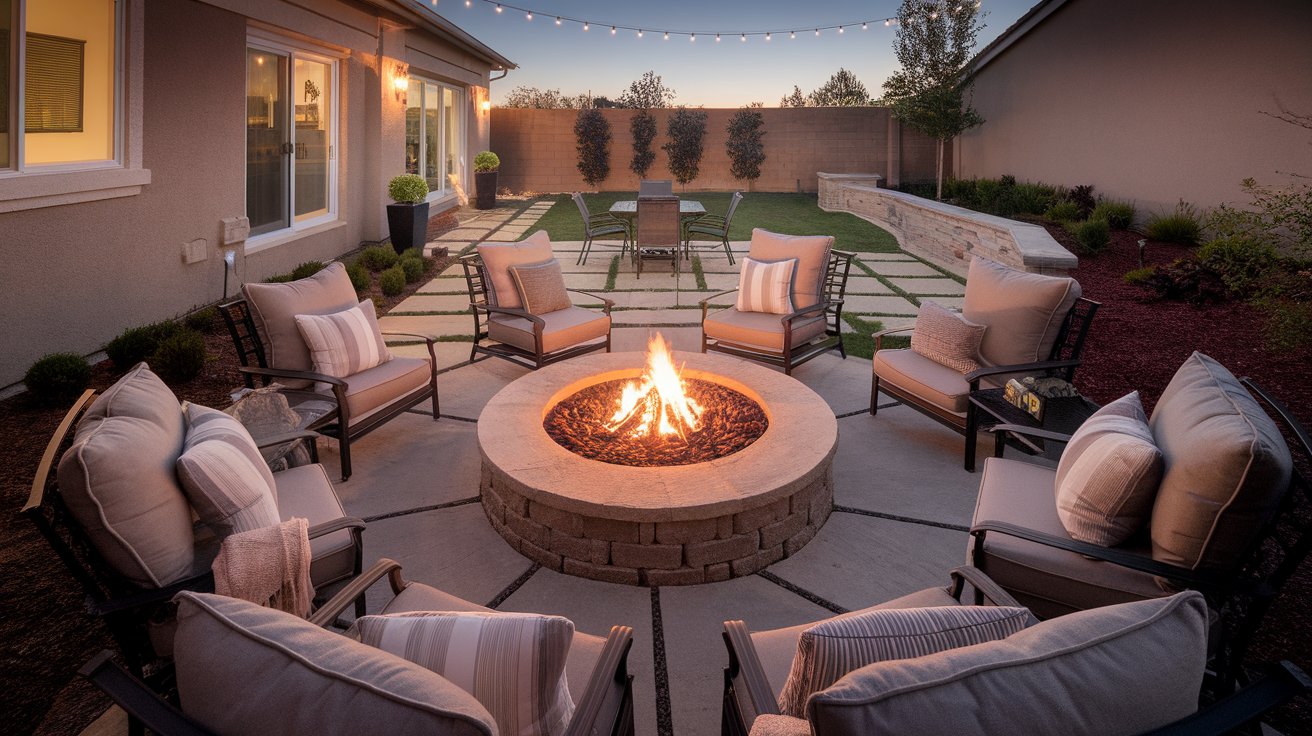
A round layout of natural stone or fieldstone is the traditional choice. Everyone sits the same distance from the fire, so conversation flows easily. It suits almost any yard style and works with chairs or benches. The catch is space: a round pit needs open room on every side, so leave a clear walking path behind the seats.

A river rock fire pit uses smooth, irregular stones in grays, browns, and tans on the outer wall. It suits woodland and country yards with native plants nearby. River rock can hold moisture, and trapped water turning to steam is a known cause of cracking, so many suppliers advise keeping it out of the firebox. Use fire-rated stone or a liner inside, and mortar the rounded outer stones so they stay put.

A stacked stone fire pit is built in layers of fieldstone, so the wall looks rough and uneven. It fits rustic yards with trees, wood fencing, or gravel paths. Irregular stones are hard to fit together tightly, so plan extra time and a solid base. Check the wall for loose pieces each season, since freezing and thawing can shift stacked stone over the years.

A square design relies on straight edges and smooth stone or stone veneer. It suits a patio with matching lines, like square pavers or a clean deck edge. Many modern square pits run on gas, which keeps the look tidy and the surfaces free of soot. The practical tip: corners are tighter for seating than curves, so leave extra room at each corner for people to step through.

A rectangular fire pit stretches along a sofa or a row of chairs, so everyone on the long sides gets a good view of the flames. It suits long, narrow patios and modern homes. The people at the short ends often get the least heat, so place walkways there instead of seats. Measure the full length of the pit plus a walking path on all four sides.

This design uses large, uncut boulders arranged around the fire. It fits wooded lots, hillsides, and cabin-style yards where the pit should look like it belongs to the land. Boulders are heavy, so delivery and placement often need machinery and a clear path into the yard. Set them on stable, compacted ground, and test that none of them rock or shift under weight.

Flat flagstone pieces form a neat circle, often set into a lawn or patio edge. The flat tops give you a spot for drinks. A flagstone fire pit also pairs well with a flagstone patio, so the whole area feels connected. Thickness varies from piece to piece, so level each stone carefully, or the cap will rock when someone sits on it.

A sunken fire pit sits below ground level, with steps or a low wall leading down. The lowered space feels enclosed and sheltered from wind. It also collects water, so plan drainage before you dig. Add lighting along the steps, because stepping down in the dark near a fire is a trip hazard. Build in more than one way out.

Curved or straight stone benches wrap around the fire. Because the seating is permanent, you never have to drag chairs around. It suits yards used for regular entertaining. The seat height and depth are fixed once built, so mock them up with chairs first. Keep loose cushions away from the flames when the fire is lit.

On a sloped yard, you can build the fire pit into a retaining wall. This turns a tricky grade into a flat gathering space. Using the same stone for both the wall and the pit keeps the look unified. Taller retaining walls can need engineering or a permit, so check with your local building department before you dig.

Pairing stone with gravel gives a casual, low-fuss look. Gravel drains well and is simple to lay, which suits a first-time project. It still needs a stable, level base under the fire pit and the right clearance from anything that can burn. Add edging so the gravel doesn't drift into the lawn.

A stone fire pit patio built with pavers gives the area clear borders and a firm, level surface for chairs and tables. It also forms a smooth transition between the house and the garden. Pavers are made for different uses, so pick ones rated for outdoor use and follow the manufacturer's advice on heat near the pit.

Slate splits into thin, dark layers, which gives a crisp, linear look. It suits contemporary landscaping with sleek furniture and simple plants. Those layers can trap moisture in some slate, which matters near high heat. Ask the supplier whether the slate you're considering is suitable for fire pit use, and keep the firebox lined with a fire-rated material.

A broad stone cap around the rim doubles as a perch or a small table. Proportions decide how usable it is. A ledge that is too narrow is awkward to sit on, and one that is too tall leaves feet dangling. Test the height against your chairs before you build, and keep the seat a comfortable distance from the flames.

Fire glass replaces logs with glowing, glass-like pieces that look sharp against a stone exterior. It suits modern yards that run on gas. Fire glass works with gas fire systems, not wood fires. Check that your burner and fuel type are compatible with the glass you buy, and follow the burner maker's instructions for depth.

Lava rock is a dark, textured volcanic stone often used as a base layer around a gas burner. Its rough look sits between rustic and modern. Here it mainly serves a visual purpose, so treat it as decoration. Because lava rock is porous, keep it dry and store it covered, and follow the burner manufacturer's directions for how much to use.

Adding a grate turns the fire into a cooking spot, which suits families who like to roast food outdoors. A decorative fire pit isn't always built for cooking, so check how yours is designed. Use a grill grate or insert made for it, and keep the surface clean. Cooking also brings more people close to the fire, so leave extra space around it.

A fire bowl is a shallow, bowl-shaped fire feature that sits in or on a stone base. It takes up little space and suits patios and compact seating areas. Many are gas-powered, though wood versions exist. A bowl sits higher than a ground-level pit, so make sure the base is level and heavy enough that the bowl cannot tip.

A small stone fire pit saves room and suits two to four people. Pair it with low, compact seating so the circle stays close. A small yard doesn't automatically make a fire pit safe, because clearance rules apply no matter how little space you have. Measure the distance to walls, fences, and overhanging branches before you decide on a spot.

A big round or rectangular design can host a crowd. Create several seating zones, such as a bench area and a chair area, so groups can form naturally. Leave clear walking paths so guests can move without brushing past the fire. Larger pits also burn more fuel and need more attention, so plan for a bigger wood supply or a larger gas setup.

Stone paired with timber stumps or log benches gives a cabin feel. The natural materials blend with trees, mulch, and wildflowers. Wood seats burn, so keep them back from sparks and the fire's edge. Logs also rot over time and can attract insects, so check them each season and replace any that are soft or crumbling.

Simple stone geometry works with neutral, low-profile furniture, clipped grasses, and a gravel border. Because the look depends on having few items, plan where the practical things will live, such as spare cushions, a spark screen, and the gas shut-off. Low furniture also sits close to the ground, so check that each seat keeps a comfortable distance from the heat.

Fire next to water creates a strong contrast, and the glow reflects off the surface. Place the pit far enough from the pool edge that people aren't crowded or pushed toward the water. Keep towels, cushions, and umbrellas away from the flames. Wet stone can be slippery, so choose a textured surface for the walkways around both features.

Surround the pit with planting beds, stepping stones, and soft lighting so the garden becomes the backdrop. Choose low-maintenance plants and keep dry, combustible vegetation well back from the fire. Plants grow, so think about their full size, not what they look like at planting. A band of gravel or stone around the pit makes a clean break between fire and foliage.

Curved benches or a ring of chairs turn everyone toward the fire and each other. The shape feels relaxed compared with straight rows, and it works well with round pits and rounded patios. Curved seating is forgiving, since guests can slide closer together or spread out. Curved stone benches are harder to build than straight ones, so allow more time or budget for the masonry.

A simple ring-style design is a common starting point for a DIY stone fire pit. You typically need stone or blocks, a level base, and basic hand tools. Whether DIY suits you depends on local rules and the materials you choose, since some areas restrict permanent fire features. Treat this as an overview, and follow the product instructions for any ring or liner before you begin.

Here the fire pit anchors an outdoor living room with sofas, side tables, lighting, and planters. It's a premium design that takes planning and budget. Think about how the space connects to the house and how weather will treat the furniture. Fire pits near a house also face the strictest clearance questions, so confirm placement with your local rules before you fix the layout.
The best stone for a fire pit depends on your look, your budget, and how the stone handles heat. Not every decorative rock is suitable for direct exposure to fire, so use materials made for fire pit construction and follow the manufacturer's instructions.
Fieldstone has an irregular, weathered look that suits rustic landscapes. Each piece is different, so shaping the wall takes time.
Flagstone comes in flat pieces. It works well for patios and low walls around a fire pit.
Granite gives a modern look and is available in smooth or polished finishes. It suits clean, contemporary designs.
Slate has a layered, dark appearance. It looks best in sleek, modern settings.
River rock offers a natural, rounded appearance and fits garden and woodland styles. Because it can hold moisture, it's usually a better fit for the outside surround than for the area where the fire burns.
These products have consistent sizes, so stacking is simpler. They are often the easiest choice for DIY-style projects, and many come in fire pit kits.
No single shape wins in every yard. Choose based on how you plan to use the space.
| Shape | Good for | Keep in mind |
| Round | Conversation, equal seating | Needs space on all sides |
| Square | Modern patios | Corners can limit seating flow |
| Rectangular | Long, narrow spaces and sofa seating | Needs clear paths at both ends |
| Custom | Unusual layouts | Often costs more and needs planning |
Think about these points before deciding:
Placement shapes how much you'll use the fire pit. Here are the common spots:
Use this checklist as general guidance. Your local fire code is the rule that applies to you.
Both options work well. Your choice depends on convenience, cost, and the feel you want.
| Feature | Wood-Burning | Gas |
| Fuel | Firewood | Propane or natural gas |
| Startup | Manual | Generally faster |
| Smoke | Produces smoke | Typically less smoke |
| Installation | Often simpler | Gas connection may require professional installation |
| Ambiance | Traditional fire | Controlled flame |
Wood gives the classic crackle and smell. Gas gives you quick, steady flames with less cleanup. Neither is better for everyone.
If you burn wood, the EPA advises using only seasoned, dry wood and skipping fire on days when air quality alerts are in effect (EPA). For gas, cost guides recommend hiring a licensed professional for the gas line, and many areas require a permit for that work (HomeGuide).

This is an overview, not a full construction manual.
Good stone fire pit safety starts with planning and continues every time you light a fire. The tips below are general guidance, so follow your local fire code and the product instructions where they differ.
There isn't one reliable price, because projects range from a weekend stone ring to a full patio with seating and gas. The best way to plan is to figure out which kind of project you're doing, then add the extras on top. The ranges below come from national cost guides and will differ by region, so treat them as starting points and get local quotes.
| Project type | Reported range | What to know |
| DIY stone fire pit | About $150 to $650 for tools and materials | Two guides put a simple DIY pit at $150 to $300 and $200 to $650, depending on size and stone (; ). |
| Prefabricated pit or fire ring | $75 to $500 for a prefab pit; $50 to $250 for a ring insert | Prefab units need no assembly. A ring insert is a smaller add-on if you build the surround yourself. |
| Custom stone fire pit (installed) | $350 to $3,000 for a 36-inch pit | Natural stone sits at the high end. Another guide lists custom builds at $325 to $2,000 (; ). |
| Built-in pit with patio or seating | $1,000 to $3,000 for a built-in pit; $2,200 to $6,800 for a stone patio with a fire pit | Seating walls and patio size push costs up. Ask contractors to itemize seating separately (; ). |
| Gas installation | $3,500 to $8,000 for a permanent natural gas pit; gas line work about $15 to $25 per linear foot | Distance from the gas supply drives the price. Use a licensed professional (; ). |
| Patio and landscaping additions | About $15 to $30 per square foot for stone patio material | A full stone patio can run from $3,500 to $13,900 (). |
Figures were checked in October 2026 and may have changed.
To build your own estimate, add these pieces:
The biggest swings usually come from stone type, size, whether you hire out the work, and how much patio or seating surrounds the pit.
A stone fire pit can be a rustic natural circle, a sleek modern rectangle, or a full built-in lounge. The right choice depends on your yard size, style, fuel type, seating, and how you plan to use it.
Before you fall for a look, check that the materials suit fire, the placement works for your space, and local safety rules are met. Get those right first, and the design will be something you enjoy for years.
No. Some rocks hold moisture or contain trapped air, and intense heat can make these crack or burst. Choose stone and fill materials made for fire pits, and avoid wet or porous rock from streams or lake beds. When in doubt, ask the pit's manufacturer or your stone supplier what is rated for fire.
Moisture inside porous stone turns to steam when heated, and the pressure can split the rock. Sudden jumps in temperature can also stress stone. Letting materials dry fully and starting with smaller fires can reduce the risk.
Yes. Standing water can weaken the base, shift stones, and leave the pit damp. Rain pooling in a pit may also make cleanup harder. A sloped base, gravel layer, or drain outlet helps move water away from the area.
Sometimes, but concrete alone doesn't make it suitable. Consider the weight of the stone, whether the surface needs a heat shield, and your local requirements. Some patio surfaces can stain or crack under heat. Ask the product maker or a local professional before building.
Remove ash once it cools completely, and clear debris regularly. Check the fire ring or liner, stones, and drainage for damage as part of each cleaning. Gas pits need burner and media checks according to the manufacturer's guidance.
Logan Tate is an outdoor and landscape specialist with more than 10 years of experience creating functional, elegant, and inviting environments. He focuses on combining style with practicality to help people make the most of their outdoor spaces. Logan enjoys traveling, exploring global landscape trends, and discovering new ideas to enhance outdoor living. His approach emphasizes thoughtful design, functionality, and aesthetic appeal for welcoming and usable outdoor spaces.



No Comments