
How to Choose the Perfect Window Coverings for Your Home
Window coverings are more than just decorative features. They influence


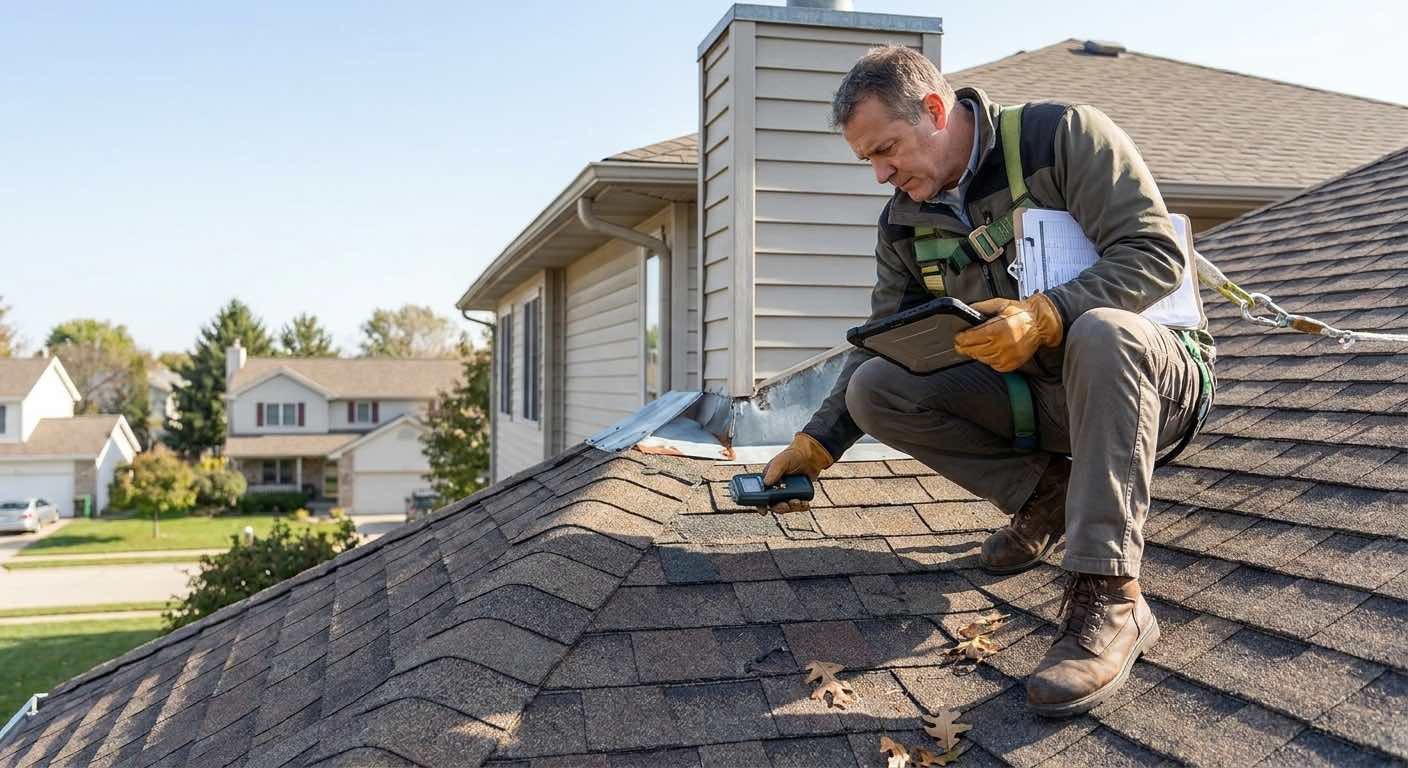
If you're trying to figure out roof inspection cost before you book one, here's the short answer: most homeowners pay somewhere between $125 and $600, depending on the type of inspection, the size of the roof, and how detailed the report needs to be. That's a wide range, and for good reason — a quick visual check costs a lot less than a drone survey or a thermal imaging scan.
Price also shifts based on your roof's accessibility, the roofing material, your local labor rates, and whether you need documentation for insurance or a real estate deal. In this guide, we'll break down average roof inspection cost by type and by roof size, explain what's actually included (and what isn't), and help you decide when paying for an inspection is worth it.
For a standard residential inspection, most homeowners can expect to pay somewhere in the $150 to $400 range, with many paying an average closer to $250. That covers a basic walk-around or on-roof visual check with a written summary of findings.
Pricing sources don't always agree, and that's normal. Different companies define "standard inspection" differently, and some bundle in extras like photos or a printed report while others charge those separately. For example, one widely cited industry source puts the typical range at $125–$381, averaging around $250, while another puts the range as wide as $120–$600 depending on the inspection type chosen. Both are reasonable estimates — they just measure slightly different services.
Specialized inspections tend to cost more because they require extra equipment, training, or time. A drone inspection, for instance, needs a licensed pilot and specialized camera equipment. A thermal imaging inspection needs an infrared camera and someone trained to interpret the readings. That added expertise is reflected in the price.
| Inspection | Typical Cost | Best For |
| Standard/physical | $150–$400 | Routine condition check |
| Pre-purchase | $200–$500 | Buying a home |
| Insurance/storm damage | $200–$600 | Claims and storm damage |
| Drone | $150–$400 | Steep/inaccessible roofs |
| Infrared/thermal | $250–$650 | Hidden moisture |
| Certified/roof certification | $100–$300 (often added to an inspection) | Insurance/real estate documentation |
These are planning estimates. Your actual roof inspection price will depend on where you live, the size and condition of your roof, and what kind of report you need.

"Roof inspection" isn't one single service — it's a category that covers several different methods, each suited to a different need. The price you pay depends heavily on which method you choose and why you're getting the inspection in the first place. Here's how the most common types compare.
A standard physical inspection typically costs $150 to $400. This is the most common option for homeowners who just want a general condition check.
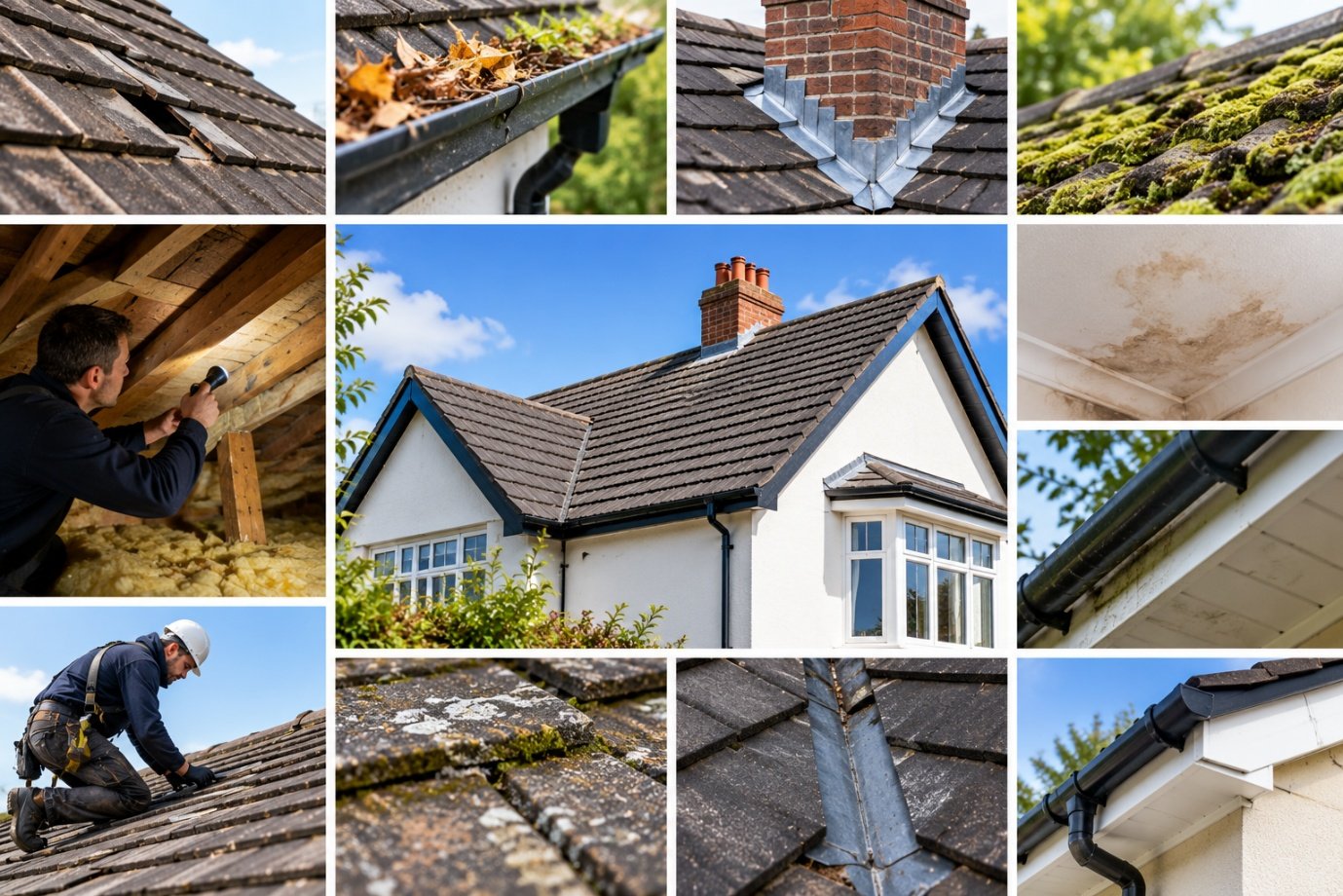
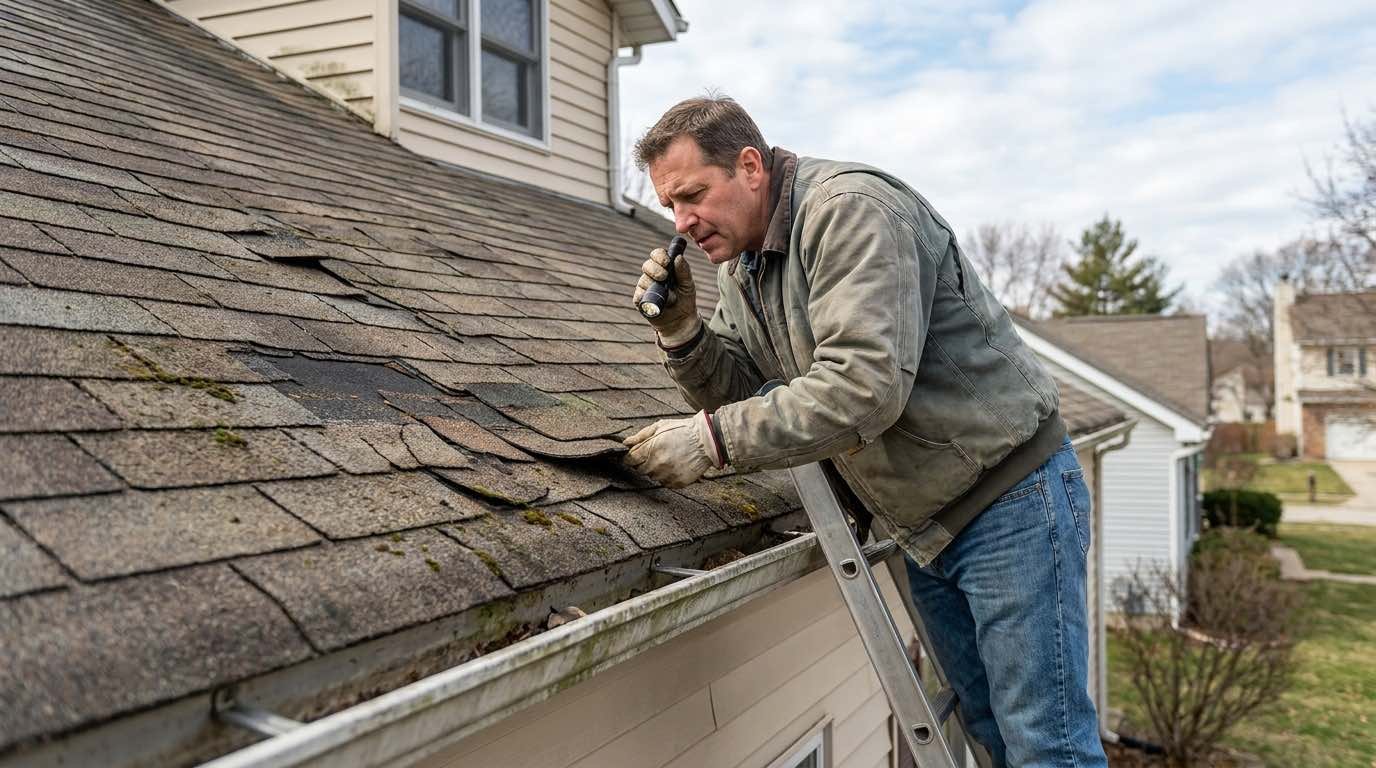
During this inspection, someone walks the roof (or examines it closely from a ladder) and looks at the shingles, flashing, gutters, and any visible wear. Homeowners usually choose this option for routine maintenance, before winter or storm season, or simply because it's been a few years since the roof was last checked.
You'll typically receive a written or verbal summary noting the roof's overall condition, any problem areas, and whether repairs are recommended.
A dedicated pre-purchase roof inspection generally runs $200 to $500. Buyers often request this in addition to — not instead of — a general home inspection.
A standard home inspector checks the whole house and may only spend a few minutes on the roof. A roofing specialist, on the other hand, focuses entirely on the roof and can catch issues a generalist might miss, like early signs of flashing failure or inconsistent repair work from a previous owner.
If the inspection turns up problems, buyers can use those findings to negotiate a lower price, request repairs before closing, or ask the seller for a credit.
An insurance-related inspection typically costs $200 to $600, often on the higher end when detailed documentation is required.
This type of inspection matters because insurers want clear evidence before approving a claim. After a storm, hail event, or high winds, a roofing professional documents the damage with photos and written notes that support your claim.
It's worth knowing the difference between an independent inspection and the inspection your insurance company's own adjuster performs. The adjuster works for the insurer, while an independent inspector works for you — which can matter if there's disagreement about the extent of damage.
Drone inspections usually cost $150 to $400. They've become more common because they solve a real problem: not every roof is safe or easy to walk.
Drones are especially useful for steep roofs, very tall buildings, fragile roofing materials that could be damaged by foot traffic, or properties where ladder access is difficult. A drone can capture high-resolution photos and video of the entire roof surface quickly.
That said, drones have limits. They can't physically test material flexibility, check for soft spots, or feel for movement underfoot the way an in-person inspection can, so they're often paired with — not always a full replacement for — a physical inspection.
Thermal inspections typically cost $250 to $650, making them one of the pricier options. That higher roof inspection cost reflects the specialized camera equipment and training required to read the results accurately.
Infrared cameras detect temperature differences across the roof surface, which can reveal trapped moisture under the roofing material — something you can't see with the naked eye. Wet insulation and decking show up differently in infrared than dry areas, which helps identify hidden leak paths before they cause visible damage.
Thermal imaging is a useful add-on, but it isn't meant to replace a standard visual inspection. The two methods look for different things and work best together.
A roof inspection and a roof certification are not the same service, even though people sometimes use the terms interchangeably.
Certification is a formal document stating that the roof has a certain number of years of remaining serviceable life, based on the inspector's assessment. Homeowners often need this for insurance underwriting, refinancing, or selling a home with an older roof.
Certification typically adds $100 to $300 on top of an inspection, though some companies bundle it into a single fee. Unlike a manufacturer's warranty — which covers material or workmanship defects for a set period — a roof certification is simply a professional opinion about the roof's current condition and expected lifespan. It doesn't guarantee anything and doesn't cover repair costs.
Several variables combine to determine your final roof inspection price. Understanding them helps you know why one quote might be higher than another for what seems like the same service.
Larger roofs simply take more time to walk, examine, and document, which is why size affects cost. That said, many inspectors charge a flat project fee rather than a strict per-square-foot rate, especially for typical residential homes. Size matters more for very large or unusually shaped roofs.
Steep slopes, multi-story homes, and difficult ladder access all add time and risk to an inspection. Inspectors may need additional safety equipment — harnesses, ropes, or roof anchors — to safely access a steep roof, and that added precaution is reflected in the price. Obstacles around the property, like landscaping or a lack of clear ladder placement, can add to the cost as well.
Different materials take different amounts of time and expertise to inspect properly.
There's no universal fixed surcharge for any one material — pricing depends on the specific inspector and roof condition.
A simple rectangular roof is quicker to inspect than one with valleys, dormers, multiple sections, skylights, chimneys, or other penetrations. Each added feature is another spot that needs a close look, which adds time and, often, cost.
Prices can differ substantially between metro areas and rural markets, largely due to differences in labor costs and demand. Rather than assuming your region falls into a specific price bracket, it's best to get local quotes, since rates can vary block by block, let alone city by city.
As covered above, a physical inspection, a drone inspection, and a thermal imaging inspection all come with different equipment and labor requirements — and that directly changes the final price you pay.
This is one of the biggest — and most overlooked — pricing variables. A quick verbal assessment costs less than a full written report that includes photos, condition ratings, damage documentation, and repair recommendations.
If you need documentation for an insurance claim or a real estate transaction, expect to pay more than you would for a casual "how's my roof doing" check. Always confirm what kind of report is included in the quoted price before booking.

| Roof Size | Typical Inspection Cost | Approx. Inspection Time |
| Under 1,500 sq. ft. | $150–$250 | 20–40 minutes |
| 1,500–2,500 sq. ft. | $200–$350 | 30–60 minutes |
| 2,500–4,000 sq. ft. | $250–$450 | 1–2 hours |
| 4,000–6,000 sq. ft. | $350–$550 | 1.5–3 hours |
| 6,000+ sq. ft. | $500+ | 2.5+ hours |
These numbers are meant to help you plan and budget — they aren't a strict per-square-foot formula. A large but simple roof might inspect faster than a smaller roof packed with dormers, skylights, and multiple sections.
Knowing what's covered helps you understand exactly what you're paying for.
Inspectors check for missing or damaged shingles, cracking, curling, granule loss, general wear, and moss or algae growth where relevant. This is the most visible part of the inspection and gives an overall snapshot of the roof's condition.
Flashing — the metal strips that seal joints and edges — is checked around chimneys, skylights, plumbing vents, valleys, wall transitions, pipe boots, and any other penetration point. These spots are common sources of leaks, so they get close attention.
Inspectors typically look at gutters, downspouts, and overall drainage to check for clogs, water accumulation, or signs that water isn't moving away from the roof properly.
Depending on the scope of the inspection, this may include checking for sagging, decking concerns, and visible structural problems, along with attic moisture signs, water staining, and ventilation. Not every inspection includes attic access — it's worth confirming this ahead of time if it matters to you.
A quality report typically includes photos, written findings, a condition assessment, and recommended next steps, including any areas that need repair or further evaluation by a specialist.
It's just as important to know what you're not paying for. A standard roof inspection generally does not include:
If the inspector finds something that needs a closer look, they'll usually recommend a specialist or additional testing rather than performing that work themselves.
This comes down to what you need the inspection for.
Free inspections are common, especially after storms, and they come with real advantages: no upfront cost, convenience, and a quick way to get a repair estimate if you already suspect damage.
The tradeoff is that free inspections are often performed by a contractor who's also hoping to land the repair job. That's not automatically a problem — many contractors are honest and thorough — but it does mean the inspection may not be fully independent, and report quality can vary quite a bit from one company to the next.
Paid, independent inspections cost money upfront, but they offer a few clear advantages:
Not every free inspection is biased, and not every paid inspection is perfect. The real question to ask is who's performing the inspection and what will you receive — a full written report, or just a verbal opinion and a repair quote.

A general home inspection usually includes a look at the roof, but it's often limited to what the inspector can see from the ground or a ladder in a short window of time.
A dedicated roof inspection provides a more detailed, roof-specific report — and it's especially worth considering when:
If problems turn up, you can use the findings during negotiations — asking for a price reduction, requesting repairs before closing, or simply going in with clear eyes about what you're buying. It's not always necessary to get a separate inspection, but for older roofs or unusual materials, it often pays for itself in negotiating power.
Generally, no — routine maintenance inspections are not typically covered by homeowners insurance. Insurance policies are built to cover damage from a covered event, not the cost of checking your roof's general condition.
That said, if your roof suffers damage from a covered event, like a storm, the inspection tied to that specific claim may be handled differently, since it's part of the insurer's claims process rather than routine maintenance.
Every policy is different, and insurers vary in what they require or reimburse. It's also worth remembering that an insurance adjuster's inspection and an independent roofer's inspection serve different purposes — the adjuster is assessing the claim on the insurer's behalf, while an independent inspector works for you. When in doubt, check your specific policy or call your insurer directly before assuming coverage either way.

Most standard inspections take 20 minutes to 2 hours on-site, depending largely on roof size and complexity. Drone inspections can sometimes be faster on-site since there's no walking involved, but they may take longer to process afterward. Thermal and insurance-related inspections often take longer, both on the roof and afterward, because of the detailed documentation involved.
It helps to separate two things: the time spent physically on the property, and the time it takes to prepare the final report. A quick visual check might take 30 minutes on the roof but only produce a same-day summary, while a detailed insurance report might take a few days to finalize even if the on-site visit itself was brief. Roof size, accessibility, inspection method, and documentation requirements all affect both timelines.
Requirements vary by state, so check what's required where you live. At minimum, ask whether the inspector carries liability insurance in case of property damage or accidents during the inspection.
Certain industry credentials can be a good sign of training and experience, but no single certification is legally required nationwide. Treat certifications as a helpful data point, not a strict requirement.
A good report should include clear photos, specific findings (not just vague statements like "roof looks fine"), a condition rating, and next-step recommendations. Ask to see an example before you book.
Before booking, confirm exactly what's covered:
This matters most when independence is important to you — for example, during an insurance dispute or a home purchase. There's nothing wrong with a contractor who also repairs roofs, but knowing this upfront helps you judge the inspection with the right context.
Local demand can sometimes affect pricing — for instance, inspectors may be busier (and pricier) right after a major storm — but there's no guarantee that a particular season will always be cheaper, so don't build your whole plan around timing alone.
An inspection itself doesn't fix anything — but it can catch problems while they're still small and manageable. A minor flashing issue caught early might only need a simple repair, while the same issue left unnoticed for a year or two could lead to water intrusion, damaged decking, or interior damage.
The same logic applies to damaged shingles, hidden moisture, storm damage, and early structural concerns. Catching these issues early generally costs less than dealing with the consequences later — a small leak is a lot cheaper to fix than the water damage it eventually causes if left alone. And if an inspection reveals your roof is beyond reasonable repair, it may be time to start budgeting for a roof replacement cost instead of ongoing patchwork fixes.
Roof inspection cost typically falls between $150 and $600, depending on the inspection type, roof size, accessibility, and how detailed a report you need. Standard visual inspections sit at the lower end, while drone, thermal, and insurance-related inspections tend to cost more due to added equipment, expertise, and documentation.
Rather than comparing quotes on price alone, compare what's actually included — the inspection method, whether you get a written report with photos, and whether the inspector also handles repairs. A professional inspection is particularly worthwhile before buying or selling a home, after severe weather, or any time you need solid documentation to support an insurance claim.
An inspection can identify signs of water intrusion and likely problem areas, like damaged flashing or compromised shingles. But pinpointing the exact source isn't always straightforward, since water can travel along decking or framing before showing up somewhere else entirely. In tricky cases, additional diagnostic work may be needed to trace the leak back to its true origin.
A second opinion can be worthwhile when there's disagreement about the extent of storm damage, whether repair or full replacement makes more sense, or when a major financial decision is riding on the outcome. This is especially common with insurance claims, where an independent inspection can support your case if you disagree with an adjuster's assessment.
Yes, in some cases. Insurers may factor in roof condition, age, and documented history when underwriting a new policy or renewing an existing one. Requirements vary significantly between insurance companies and states, so it's worth asking your insurer directly if you're concerned about eligibility.
Inspectors can typically provide an estimated remaining service life based on visible condition and material type, but this is an educated estimate, not a guarantee. Weather exposure, installation quality, ventilation, maintenance history, and future damage can all shorten or extend that estimate over time.
A follow-up inspection isn't always required, but it can be useful for verifying that the work was completed properly, documenting the roof's post-repair condition, and checking that flashing and penetrations were sealed correctly. It also creates a helpful record for warranty claims or future home sales.
Olivia Bennett has over 12 years of experience helping homeowners transform their spaces with practical, thoughtful solutions. She guides projects of all scales, blending creativity with efficiency and attention to detail to achieve lasting results. Olivia holds a degree in Interior Architecture from the University of Michigan and draws inspiration from global design trends and architecture, ensuring every space is both functional and beautifully considered.





No Comments