


How to Choose the Perfect Window Coverings for Your Home
Window coverings are more than just decorative features. They influence


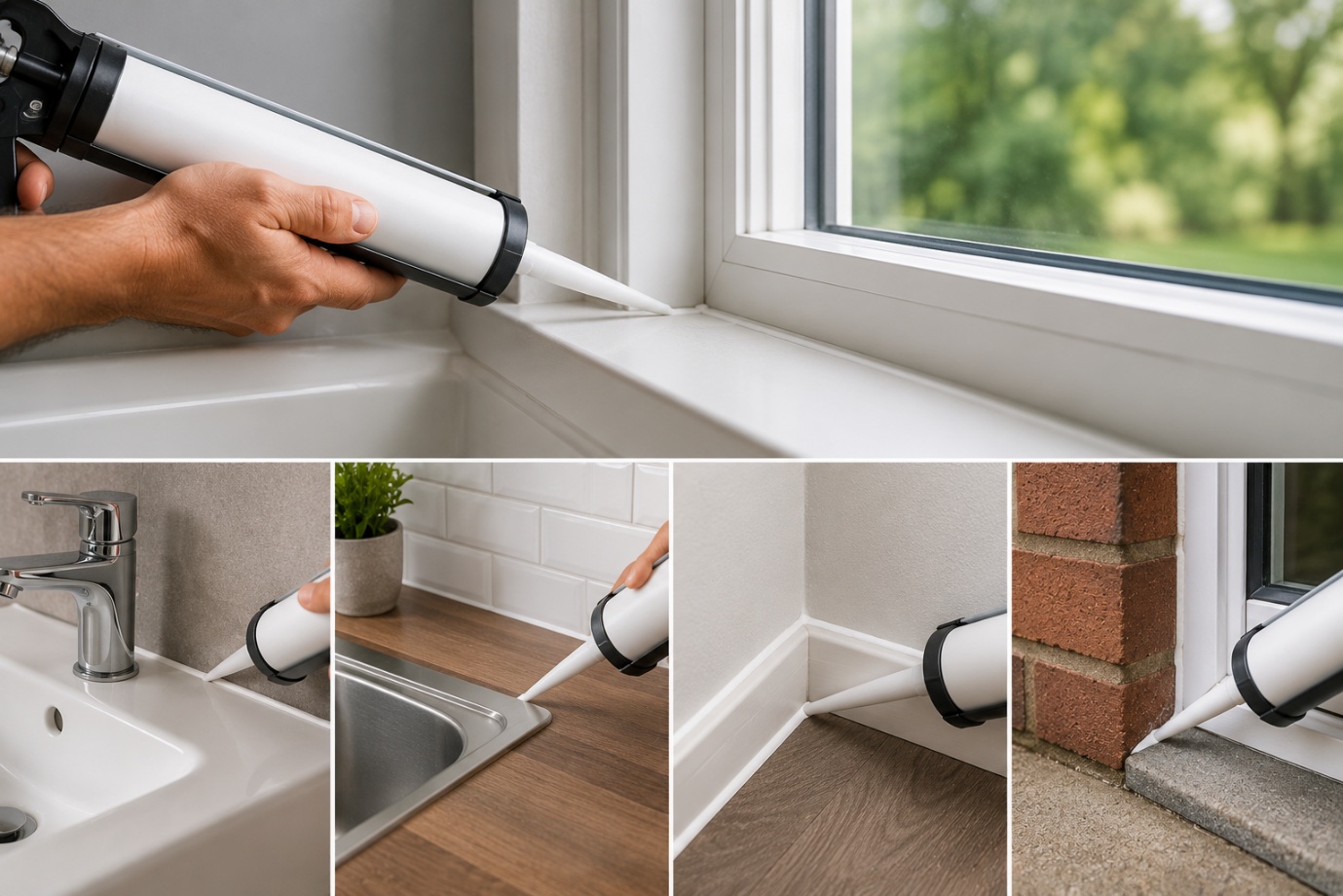
Keeping your home properly sealed is one of the simplest yet most effective ways to improve comfort, protect your property, and reduce maintenance costs. From preventing draughts and moisture ingress to improving energy efficiency, well-sealed joints and gaps play an important role in maintaining a healthy and durable living environment.
Whether you're renovating a room or carrying out routine maintenance, understanding where and how to seal different areas of your home can help prevent future problems while giving your property a cleaner, more professional finish.
Every home naturally expands and contracts with changes in temperature and humidity. Over time, small gaps can appear around windows, doors, worktops, skirting boards, and flooring. While these openings may seem insignificant, they can allow moisture, cold air, dust, and even insects to enter your home.
Proper sealing protects vulnerable areas from water damage, reduces heat loss, and helps preserve decorative finishes. It also contributes to improved indoor comfort by eliminating unwanted draughts and reducing noise transfer between rooms.
Regularly inspecting and maintaining sealed joints is an easy way to extend the lifespan of many household surfaces.
Before beginning any sealing project, inspect your home carefully for signs of wear or deterioration.
Common areas that benefit from resealing include:
Look for cracked, discoloured, or peeling sealant, as these are often signs that replacement is needed.
Not all sealants are designed for the same purpose. Selecting the correct product ensures long-lasting performance and helps avoid premature failure.
Bathrooms and kitchens typically require waterproof, mould-resistant sealants to cope with regular exposure to moisture. Exterior applications demand products that can withstand temperature changes, ultraviolet light, and heavy rainfall.
For flooring and areas where natural materials require greater flexibility, specialised products such as cork sealant can provide durable movement accommodation while maintaining a neat appearance.
Always check the manufacturer's recommendations before applying any sealant to ensure compatibility with the surface.
Preparation is one of the most important stages of any sealing project. Applying new sealant over dirt, grease, or deteriorated material can significantly reduce adhesion.
Begin by removing any old sealant completely using an appropriate removal tool or scraper. Clean the area thoroughly to eliminate dust, soap residue, grease, or loose debris before allowing the surface to dry completely.
Masking tape can help produce straight, professional-looking edges while preventing excess sealant from spreading onto surrounding finishes.
Taking time to prepare properly often results in a much neater and longer-lasting finish.
When applying sealant, work steadily and maintain even pressure on the applicator. Applying too much product can create unnecessary mess, while too little may leave gaps that reduce effectiveness.
Once applied, smooth the sealant immediately using a suitable finishing tool or a damp finger where appropriate. This helps improve adhesion while producing a consistent finish.
Avoid disturbing the sealant until it has fully cured according to the manufacturer's instructions. Premature exposure to water or heavy use may compromise the seal.
Even the highest-quality sealants will eventually require maintenance. Regular inspections allow minor defects to be addressed before they develop into larger problems.
Check bathrooms and kitchens periodically for signs of mould growth, cracking, or separation from surrounding surfaces. Exterior seals should also be inspected after periods of severe weather to ensure they continue protecting against water ingress.
Replacing damaged sealant promptly can prevent expensive repairs involving timber decay, damp, or decorative finishes.
Sealing gaps around windows, doors, and service penetrations can contribute significantly to reducing unwanted heat loss.
Even small draughts may increase heating costs during colder months by allowing warm air to escape and cold air to enter. Improving airtightness helps maintain more consistent indoor temperatures while reducing energy consumption.
Combined with good insulation and double glazing, effective sealing forms an important part of an energy-efficient home.
Many homeowners focus on larger renovation projects while overlooking simple maintenance tasks that deliver lasting value. Resealing vulnerable areas requires relatively little time or expense, yet it can significantly improve the durability, appearance, and comfort of your property.
Routine inspections, careful product selection, and proper application techniques all contribute to professional results that continue performing for many years.
Effective sealing is an essential part of home maintenance that protects against moisture, improves energy efficiency, and preserves the appearance of your property. By identifying areas that require attention, choosing suitable products, and applying them correctly, homeowners can prevent many common maintenance issues before they become costly repairs.
Whether you're updating a kitchen, refreshing a bathroom, or carrying out seasonal maintenance, taking the time to seal your home properly is a practical investment that enhances both comfort and long-term property performance.
Olivia Bennett has over 12 years of experience helping homeowners transform their spaces with practical, thoughtful solutions. She guides projects of all scales, blending creativity with efficiency and attention to detail to achieve lasting results. Olivia holds a degree in Interior Architecture from the University of Michigan and draws inspiration from global design trends and architecture, ensuring every space is both functional and beautifully considered.






No Comments