

12 Modern Christmas Decor Ideas Garland for Every Room
There's something magical about walking into a home decorated with


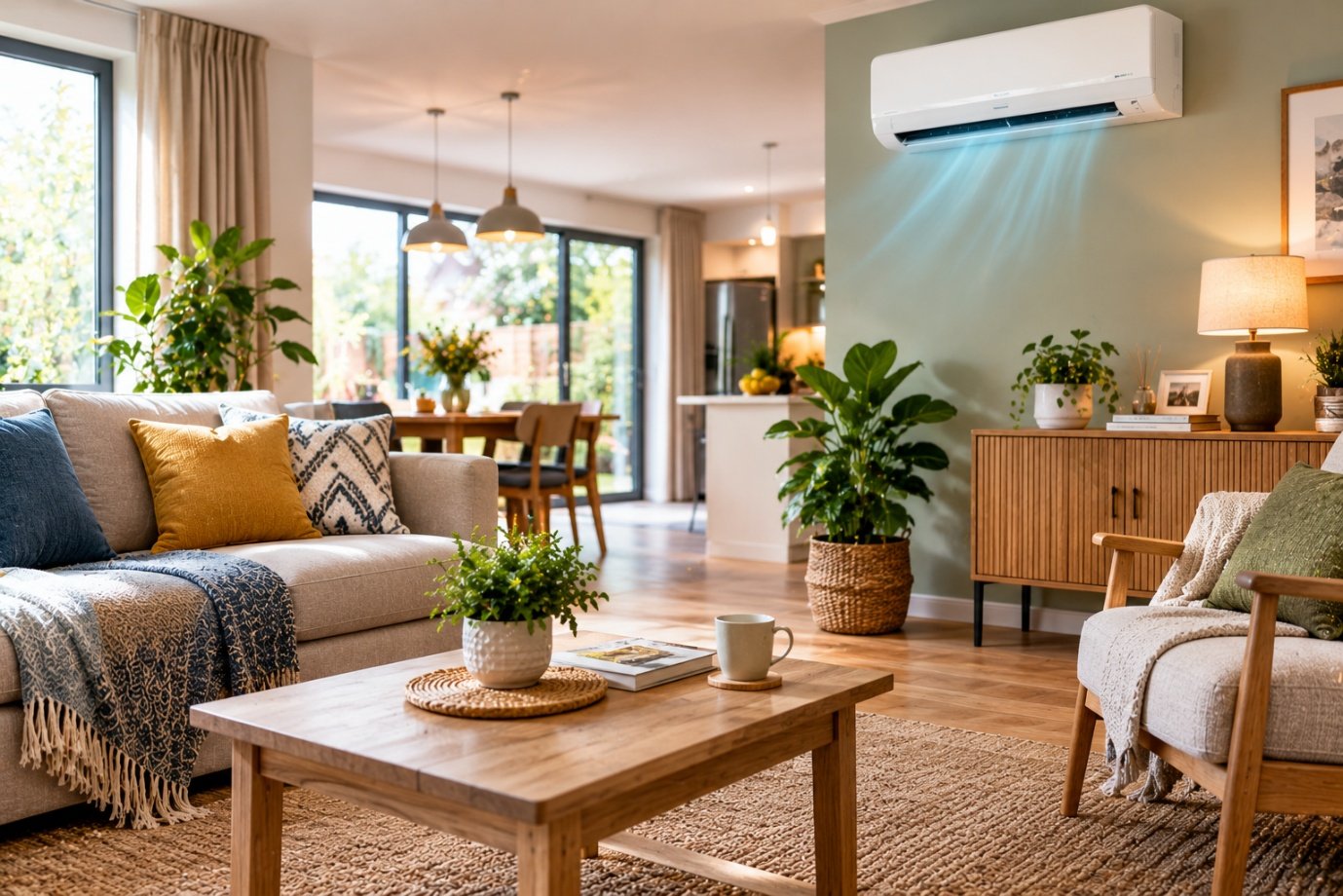
A comfortable home is about more than attractive furniture and carefully chosen colours. The temperature of each room, the quality of the air and the amount of natural light entering the space can all influence how enjoyable a home feels throughout the year. When these elements work together, everyday living becomes easier, whether you are relaxing after work, preparing meals or spending time with family.
Creating a more comfortable home does not always require a major renovation. Small improvements to insulation, ventilation, lighting and temperature control can make a noticeable difference. By understanding how your home responds to changing weather, you can make practical decisions that support comfort while helping to manage energy use.
Temperature has a significant effect on how a room feels. A living room that becomes too warm in summer or a bedroom that remains cold during winter can make even a beautifully decorated home less enjoyable.
Start by identifying which areas are most affected by temperature changes. South-facing rooms may receive strong sunlight during the afternoon, while upstairs bedrooms can retain heat long after the sun has gone down. Meanwhile, rooms with draughty windows or poorly insulated walls may feel chilly during colder months.
Simple adjustments can help. Close curtains or blinds during the hottest part of the day to limit solar heat gain, and open windows when the outdoor air is cooler, provided conditions allow. In winter, make the most of daylight by opening window coverings during sunny periods, then close them in the evening to help reduce heat loss.
If certain rooms remain uncomfortable despite these measures, it may be worth exploring improvements to the home's insulation or heating and cooling arrangements.

Every home has different requirements, so there is no single temperature control solution that works equally well in every property. A compact flat, a spacious family house and a converted loft will each have different cooling and ventilation needs.
For rooms that regularly become uncomfortably warm, air conditioning can provide more consistent temperature control than relying on open windows alone. Modern systems may also offer heating through heat pump technology, making them useful during milder periods when full central heating is unnecessary.
Before choosing a system, consider the size of the room, its orientation, ceiling height and how frequently it is used. An appropriately sized unit is important because equipment that is too small may struggle to maintain the desired temperature, while an oversized system may cycle on and off too frequently.
For homeowners considering a professionally installed solution, Christy Cooling Services offers air conditioning installation, servicing, maintenance and repairs for domestic properties. Assessing the space before selecting equipment can help ensure that the system suits the home's layout and intended use.
When a home feels cold, increasing the heating is often the first response. However, if warmth escapes through the roof, walls, windows or poorly sealed gaps, the system may need to work harder to maintain a comfortable temperature.
Insulation helps slow the movement of heat between the inside and outside of a building. Loft insulation is particularly worth considering because heat can escape through the roof when the insulation is inadequate. Depending on the property, cavity wall insulation or improvements to solid walls may also be beneficial.
Draught-proofing is another relatively straightforward improvement. Check around external doors, letterboxes and suitable window openings for unwanted gaps. Appropriate seals can reduce draughts and make rooms feel more comfortable without requiring major structural work.
However, ventilation should not be overlooked. A home needs adequate fresh air to help control moisture and maintain indoor air quality. The aim is to reduce unwanted heat loss while preserving suitable ventilation, rather than sealing every opening without considering the consequences.

Natural light can make a home feel more welcoming, but the same sunlight that brightens a room can also cause temperatures to rise. The key is to manage daylight according to the season and the orientation of each window.
Lightweight curtains can soften daylight while maintaining a bright atmosphere. Blackout curtains may be useful in bedrooms where early morning sunlight affects sleep, while blinds offer more precise control over glare and privacy.
During summer, closing suitable window coverings before a room becomes too warm can help reduce the amount of solar heat entering the space. In winter, opening them during daylight hours allows sunlight to contribute some warmth, although the benefit will depend on the window and the weather.
Furniture placement matters too. Avoid positioning desks, televisions or seating where direct sunlight causes persistent glare. A small change to the room layout can improve usability without the expense of replacing furniture or installing new fittings.
Temperature is only one part of indoor comfort. Humidity and air circulation also influence how a room feels, particularly in kitchens, bathrooms and bedrooms.
Cooking, showering, drying laundry indoors and even breathing introduce moisture into the air. Without adequate ventilation, this moisture can contribute to condensation, damp patches and mould growth.
Use extractor fans where available, particularly when cooking or showering. Keep them clean and ensure they are operating effectively. Opening windows briefly when outdoor conditions are suitable can also help remove moisture, although ventilation needs will vary with the weather and the design of the property.
Avoid pushing large pieces of furniture directly against cold external walls where this restricts airflow. Leaving a little space can help air circulate and make it easier to spot signs of dampness.
If condensation or mould continues to appear, investigate the underlying cause rather than simply cleaning the visible marks. Persistent problems may relate to inadequate ventilation, cold surfaces, leaks or a combination of factors.
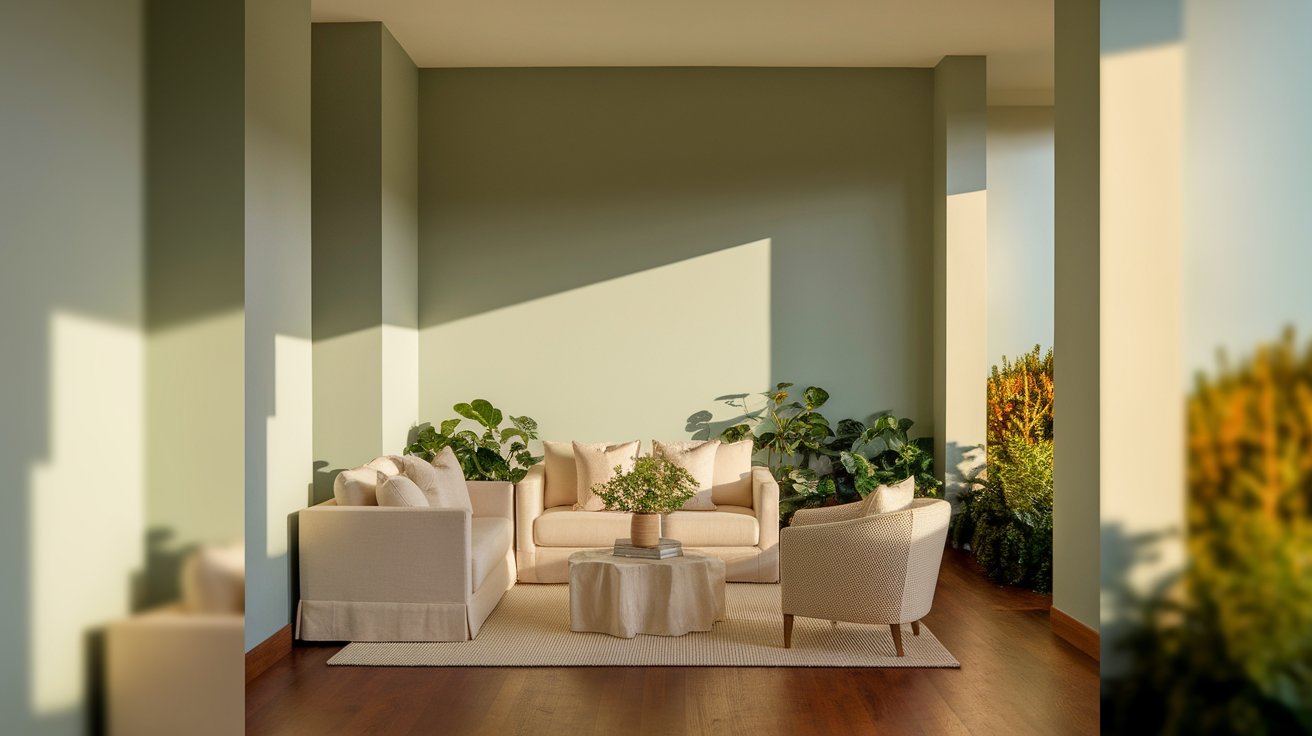
A comfortable home should feel inviting as well as function well. Lighting, fabrics and colour choices can influence the atmosphere of a room without affecting its temperature directly.
In living rooms and bedrooms, combining general lighting with table lamps or floor lamps creates flexibility. Warmer-toned lighting can help establish a relaxed evening atmosphere, while brighter task lighting is useful for reading, cooking or working.
Soft furnishings can also improve the sense of comfort. Rugs, curtains, cushions and throws introduce texture and make rooms feel more layered. In colder months, heavier fabrics may create a cosier atmosphere, while lighter materials can help a space feel fresh during summer.
Choose furnishings that suit the way each room is used. Washable covers, durable flooring and easy-to-clean surfaces may be particularly practical in busy family homes. A thoughtful balance between appearance and everyday function often produces a better result than following a short-lived decorating trend.

Heating, cooling and ventilation equipment generally performs best when it is maintained according to the manufacturer's instructions. Dust, restricted airflow and neglected components can affect performance and may contribute to unnecessary energy use.
Check accessible filters where applicable, keep vents clear and avoid obstructing equipment with furniture or stored belongings. Pay attention to changes in performance, unusual noises, unpleasant smells or recurring temperature problems.
For more complex issues, use a suitably qualified professional rather than attempting repairs that involve electrical components or refrigerants. Regular servicing can help identify developing faults and establish whether equipment needs attention.
It is also useful to review how your systems are used. Heating or cooling empty rooms wastes energy, so timers, schedules and zoning features can help match operation to your daily routine. Small adjustments to settings and habits can make the home easier to manage without sacrificing comfort.
A comfortable and energy efficient home is usually the result of several improvements working together. Insulation helps retain warmth, window coverings manage sunlight, ventilation controls moisture, and suitable temperature control keeps rooms pleasant when outdoor conditions change.
Start with the issues that affect your household most. If a bedroom overheats every summer, investigate shading and cooling options. If the living room feels cold despite regular heating, look for draughts and insulation concerns. If condensation keeps returning, consider ventilation and possible sources of moisture.
Taking a room-by-room approach makes improvements easier to prioritise and budget for. You do not need to change everything at once. By combining practical upgrades with sensible everyday habits, you can create a home that feels welcoming, works efficiently and remains comfortable throughout the year.
Olivia Bennett has over 12 years of experience helping homeowners transform their spaces with practical, thoughtful solutions. She guides projects of all scales, blending creativity with efficiency and attention to detail to achieve lasting results. Olivia holds a degree in Interior Architecture from the University of Michigan and draws inspiration from global design trends and architecture, ensuring every space is both functional and beautifully considered.




No Comments