
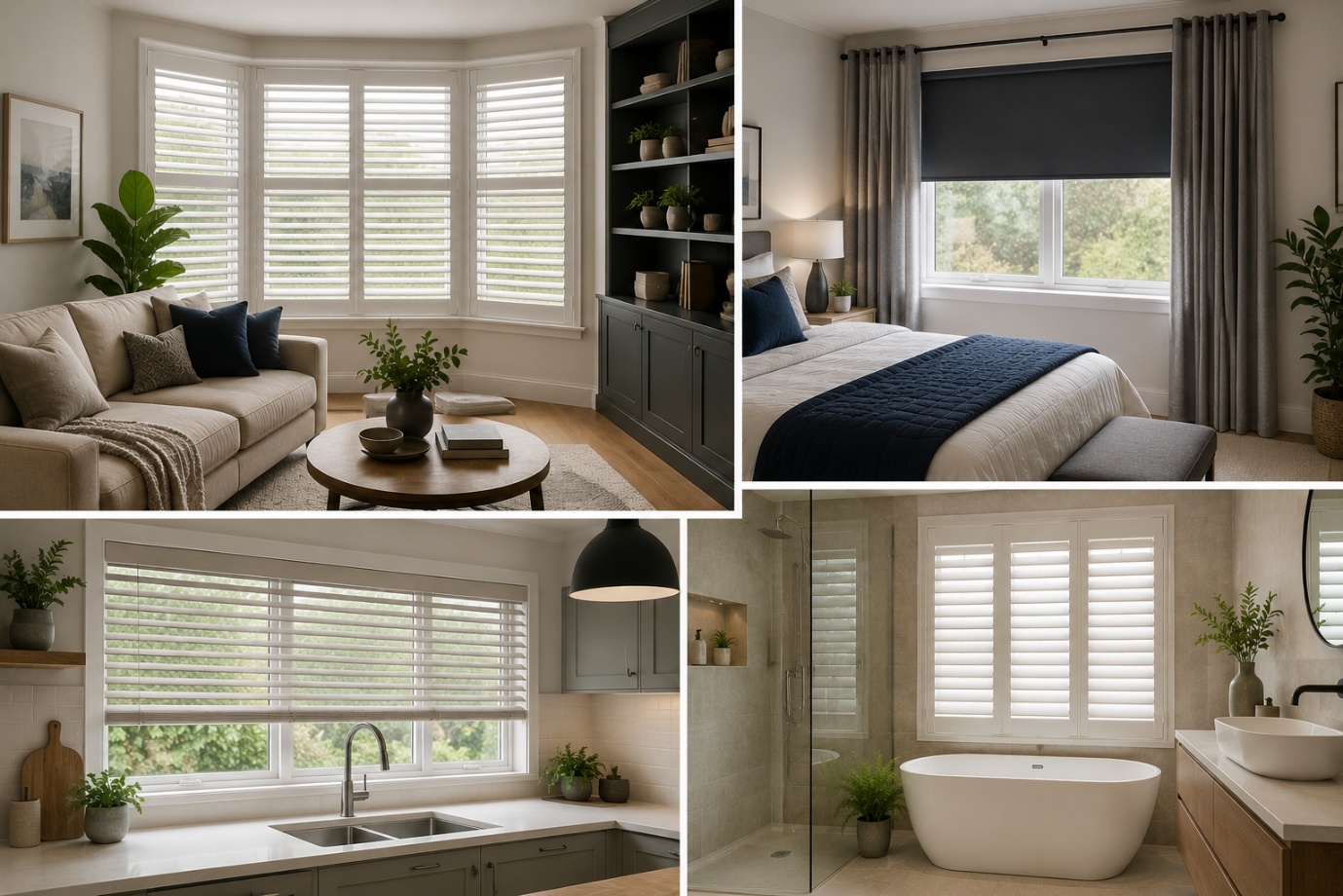
How to Choose the Perfect Window Coverings for Your Home
Window coverings are more than just decorative features. They influence

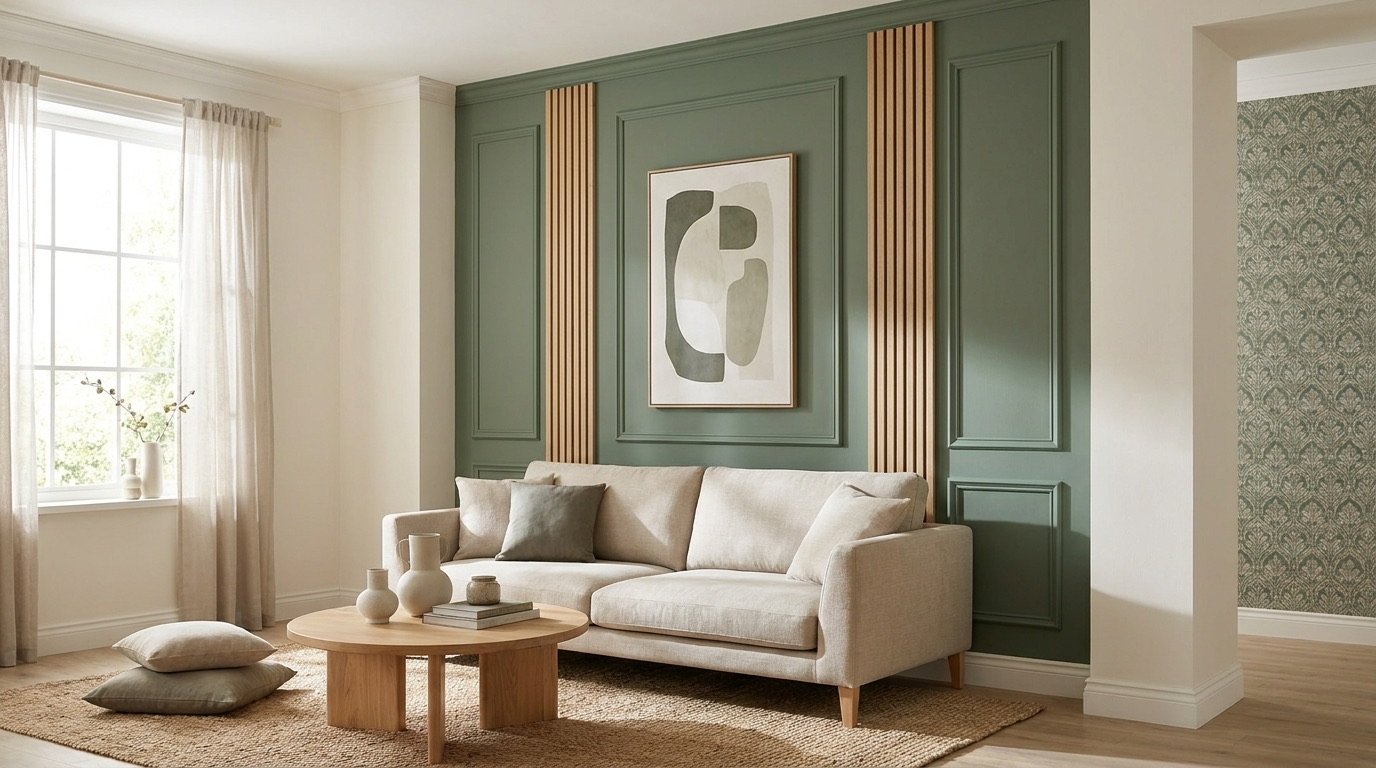
If you've ever walked into a room that felt a little flat, an accent wall might be exactly what it needs.
The right accent wall ideas can turn a plain space into one with real personality, using nothing more than paint, wallpaper, wood, or a few well-placed objects.
And despite what many people assume, an accent wall doesn't have to mean one wall painted a bold, dramatic color.
This list covers a wide range of approaches, from paint and wallpaper to wood, molding, brick, stone, tile, fabric, gallery displays, and even functional feature walls built around a fireplace or TV.
You'll find budget-friendly options alongside more advanced projects, plus ideas that work in rentals, small rooms, and specific spaces like kitchens and bathrooms.
Whatever your style or skill level, there's likely an idea here that fits your home.
| Accent Wall Type | Best For | Estimated DIY Cost | Difficulty | Renter-Friendly |
| Painted wall | Quick room updates | $40–$150 | Easy | Sometimes, with permission |
| Peel-and-stick wallpaper | Pattern without permanence | $75–$300 | Easy | Usually—test first |
| Molding or board and batten | Architectural character | $100–$500 | Moderate | No |
| Wood slats or paneling | Warmth and texture | $200–$1,000+ | Moderate | Sometimes |
| Tile or stone | Bathrooms and fireplaces | $500–$2,500+ | Advanced | No |
| Gallery or textile wall | Personal decoration | $50–$500 | Easy | Usually, with approved mounting |
Estimated costs are for a single DIY accent wall and may vary based on wall size, material quality, location, and whether professional installation is required.
Accent walls remain relevant when they support the architecture or function of a room rather than existing for their own sake. Modern versions have moved past one random wall in a highly contrasting color, and now lean on texture, wallpaper, molding, stone, tile, built-ins, or tonal paint that ties into the rest of the space.
Not every accent wall ages well, and it's not accurate to say the concept is universally timeless. The useful distinction is between intentional feature walls, which highlight a room's natural focal point and connect with its existing colors and materials, and random, disconnected walls, which tend to look dated once the specific paint or pattern falls out of favor.

A single wall in a rich, saturated color is one of the simplest ways to transform a room without a big budget. It works well in living rooms, bedrooms, dining rooms, and home offices alike. For an easy way to tie the color into the space, pull it from something already in the room, like a rug, a piece of art, bedding, or upholstery.
Painting is beginner-friendly, but the finished look depends more on preparation and clean lines than on how bold the color is. Take time to fill holes, sand rough spots, and tape off trim carefully before you start.

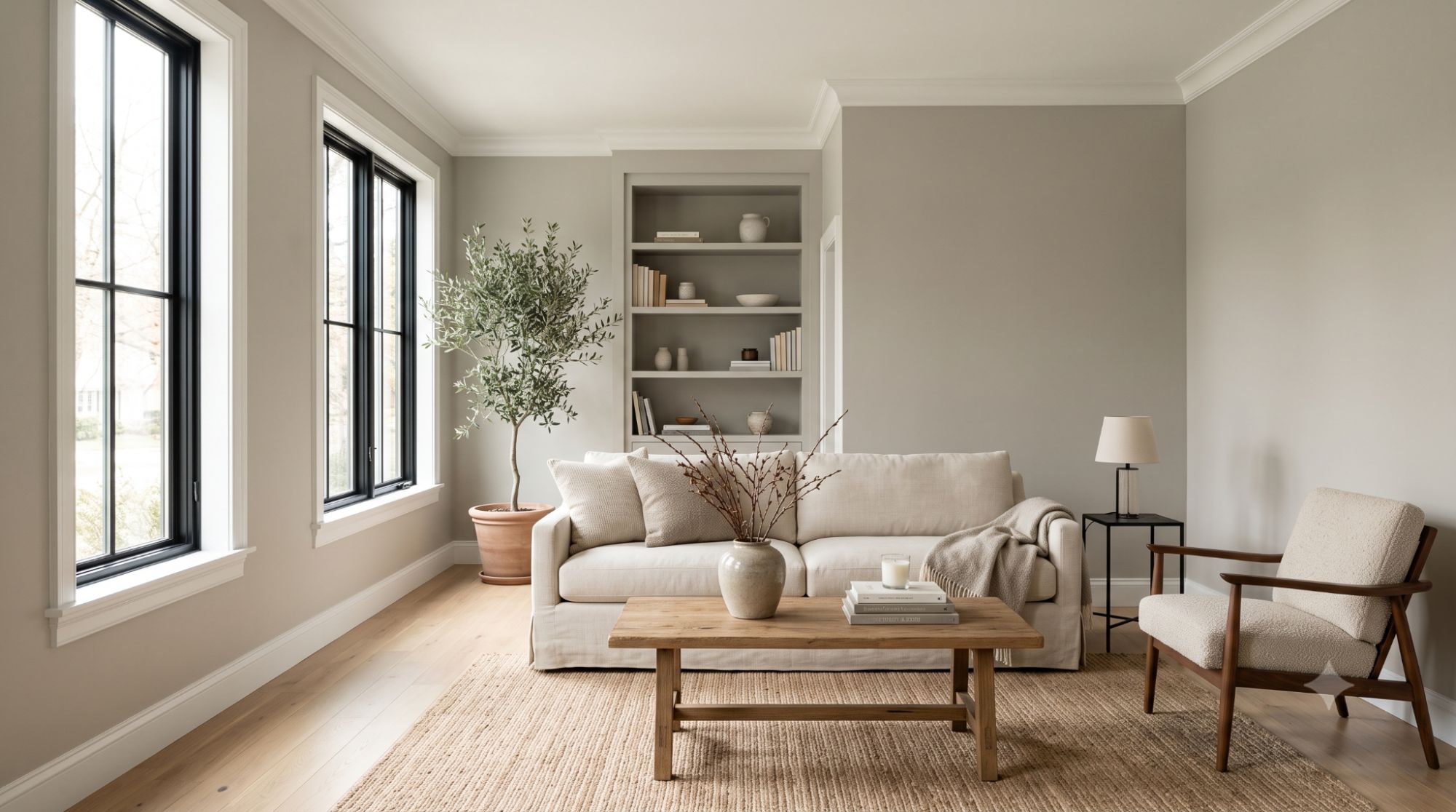
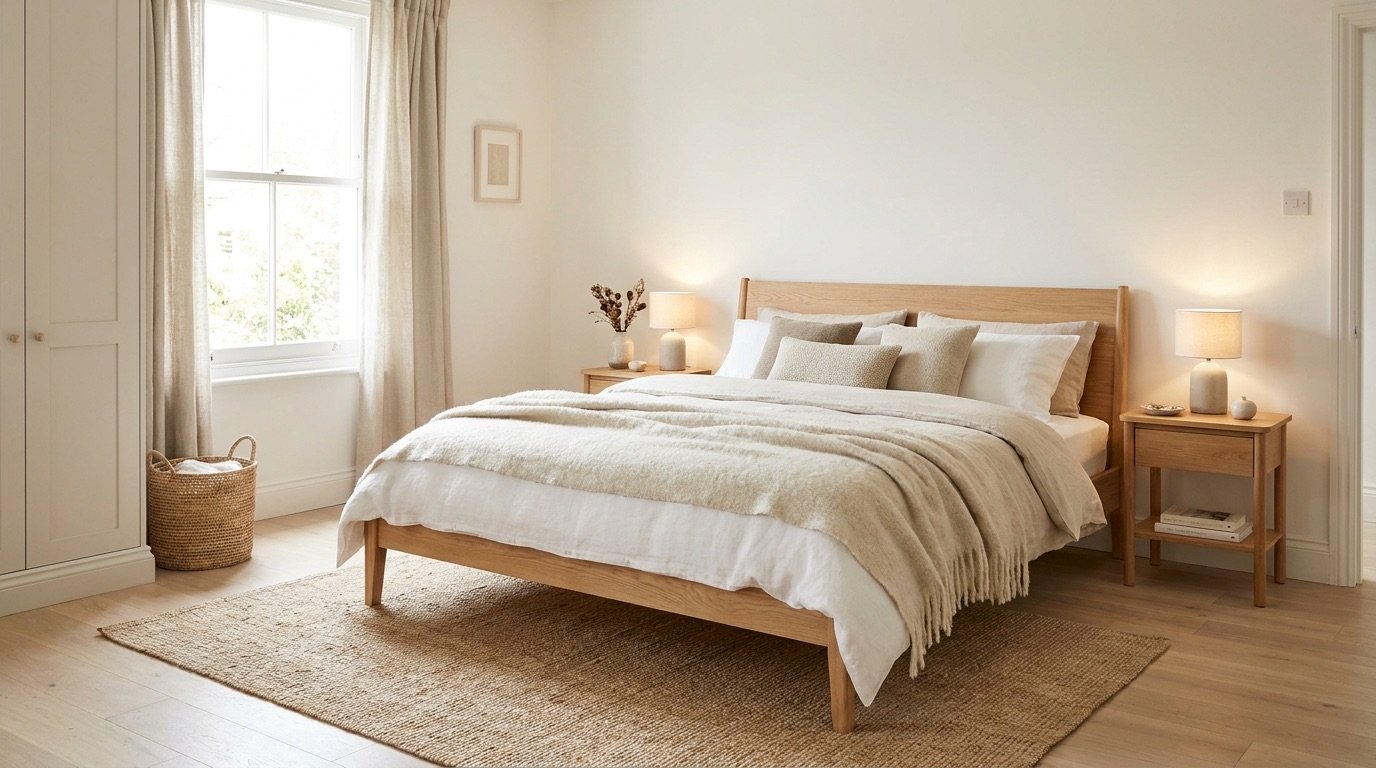
An accent wall doesn't need to shout to make an impact. Warm beige, taupe, clay, muted green, soft brown, and greige can all add subtle depth to a room while keeping the overall feel calm and understated.
This approach suits minimalist, Scandinavian bedroom ideas, and coastal interiors especially well, and it's a smart choice for small spaces where a darker or brighter color might feel overwhelming. Because the contrast is gentle, it also pairs easily with almost any furniture style already in the room.

Splitting a wall horizontally into two colors adds structure and can make a room feel taller or wider, depending on how it's done. Using the darker shade below and a lighter one above tends to visually ground the space, especially in bedrooms, dining rooms, hallways, and children's rooms.
You can finish the transition with a chair rail for a more traditional look, or simply leave a crisp painted line for something more modern. Either way, careful taping is key to keeping the division sharp.

Arches, circles, color blocks, diagonal lines, and checkerboard patterns can all be created with nothing more than painter's tape and a steady hand. Sticking to two or three coordinated colors helps the design feel intentional rather than chaotic.
Use it in children's rooms, playrooms, home offices, and modern bedrooms, where a bit of playful geometry adds character. It's a moderate DIY project, mostly because getting sharp tape lines takes some patience.

A painted arch behind the bed can stand in for a headboard entirely, or frame one you already own. For the best proportions, make the arch a little wider than the bed itself so it doesn't look cramped.
Soft terracotta, muted blue, olive, and warm beige work well when you want warmth without intense contrast. Because it only requires paint and some careful measuring, this is a great weekend project for a bedroom refresh.

Large, simple shapes like flowers, waves, mountains, or abstract lines can make a striking mural without requiring fine art skills. The key is keeping the design bold and simple rather than overly detailed.
Lightly sketching the shapes in pencil first gives you a guide to follow and a chance to fix mistakes before committing to paint. Its strongest applications include nurseries, guest rooms, creative studios, and dining spaces that could use a personal touch.

Limewash, Roman clay, and other plaster-style finishes create soft texture and movement across a wall without relying on a busy pattern. The subtle variation in tone catches light differently throughout the day, adding a lived-in richness.
These finishes suit fireplaces, bedrooms, living rooms, and Mediterranean-style interiors particularly well. Since the final look depends heavily on application technique, it's worth practicing on a sample board before tackling the whole wall.

Floral, geometric, striped, botanical, and abstract wallpaper designs can instantly give a room a stronger sense of style. To keep the look cohesive, repeat one or two of the wallpaper's colors elsewhere through pillows, curtains, rugs, or artwork.
A large-scale pattern tends to work best on a broad, uninterrupted wall, while a smaller print suits a compact room or nook. This is a moderate DIY project, and it's not typically renter-friendly since traditional wallpaper is meant to be permanent.

A landscape, forest, mountain, coastal, or panoramic mural can turn an entire wall into a piece of art. These murals look especially striking behind a bed, dining table, sofa, or freestanding bathtub, where they become the natural focal point.
Because the mural itself carries so much visual weight, keeping the surrounding furniture and decor simpler helps it stand out rather than compete for attention. Installation typically requires patience and careful panel alignment.

Removable wallpaper is one of the easiest ways to add pattern without a long-term commitment, which makes it a favorite for renters. It works best on smooth, clean walls, since heavily textured surfaces can make it harder for the adhesive to stick properly.
Because it's easy to remove, it's a great option for smaller areas like office nooks, entryways, powder rooms, or the backs of built-in shelves, where you can experiment without much risk. Test a small patch first, since removable wallpaper can occasionally lift paint that's weak, older, or still farly fresh.

Placing wallpaper panels inside picture-frame molding creates a custom, tailored look that feels more polished than wallpaper alone. Grasscloth, subtle patterns, toile, and scenic murals all work well framed this way.
The treatment is most effective in bedrooms, dining rooms, entryways, and traditional living rooms. Because the panels need to line up evenly, careful measuring before you start is essential for a balanced final result.

Rectangular molding applied directly to a wall and painted a single color adds architectural interest without wallpaper or wood paneling. Tall, narrow boxes can make a ceiling feel higher, while wider boxes suit rooms with larger furniture.
This is a popular choice for bedrooms, dining rooms, hallways, and formal living rooms that want a more traditional, custom-built feel. It's a moderate project that mostly involves careful measuring and clean caulking.

Board-and-batten can range from simple vertical strips to a more decorative grid pattern, both of which add real architectural character to a plain, builder-grade room. It looks especially good behind a bed, dining bench, entry table, or living room sofa.
Before installing, plan the spacing around outlets, switches, windows, and any furniture that will sit against the wall. Sage green, white, and navy all suit this classic look well.

Narrow vertical wood slats add warmth, rhythm, and the illusion of extra height to a room. Light oak fits naturally into Scandinavian-style spaces, while dark walnut suits a more modern or dramatic look.
Slats can run the full height of the wall or stop partway up, depending on the effect you want. The treatment is most effective behind a TV, bed, desk, or dining area, giving the space texture without overwhelming it.

Reclaimed wood brings texture, variation, and a sense of history that new lumber simply can't match. To keep the room from feeling too rustic, pair the wood with simpler, clean-lined furniture and decor.
For bedrooms and dining rooms with a farmhouse or cabin feel, it's a natural fit, and it works equally well in home offices and casual family rooms. Before installing, inspect any old boards for nails, insect damage, moisture issues, or instability, since reclaimed material isn't always ready to use as-is.

Shiplap can look coastal, farmhouse, traditional, or thoroughly modern depending on its color and orientation, and it's a natural fit for beach house interior ideas. White horizontal boards lean classic, dark vertical boards feel more contemporary, and tone-on-tone painted shiplap keeps things subtle.
If a modern look is the goal, it helps to avoid pairing shiplap with too many other rustic touches in the same room. This is a moderate DIY project that's well suited to bedrooms and living areas.

Rounded, grooved panels bring a softer, more refined texture to a wall than flat boards do. They look great behind a bed, bar, console, TV, or built-in desk, in either natural wood or a painted finish.
One practical benefit is that continuous fluted paneling can disguise doors or hidden storage almost seamlessly, since the repeating vertical lines carry the eye right past them. This is a moderate project best suited to those comfortable with basic carpentry.

Original exposed brick brings warmth, age, and texture to a room without needing much additional decoration. If the brick is older, it may need cleaning and sealing to keep dust from shedding over time.
Whitewashing or limewashing the brick can soften its color while keeping the texture visible, which works well in more modern spaces. Its strongest applications include lofts, kitchens, living rooms, and home libraries.

If your home doesn't already have exposed brick, thin brick veneer offers a similar look without structural changes. The color, mortar style, and layout you choose can push the finished look toward rustic, industrial, traditional, or modern.
It's best to limit brick veneer to one clear focal wall rather than scattering it across a room, since that keeps the effect intentional rather than random. This is a moderate to advanced project depending on the product used.

Extending stone from the fireplace all the way to the ceiling creates one of the strongest natural focal points a living room can have. Stacked stone, limestone, fieldstone, and stone veneer all offer slightly different textures and price points.
Because stone is visually heavy, balancing it with lighter furniture and simple accessories keeps the room from feeling too dense. Real stone is often heavy enough to require professional installation, so this is generally an advanced project. As with any material installed near an active fireplace, confirm it's heat-rated and follows the fireplace manufacturer's clearance requirements and local building rules.

Oversized tile or porcelain slabs create a clean, dramatic wall with far fewer visible grout lines than standard tile. Its strongest applications include fireplaces, bathrooms, kitchens, bars, and modern home offices.
Because large slabs are heavy and need a very flat surface, proper substrate preparation matters a lot, and professional installation is often worth the cost. This is generally considered an advanced project. If installing near an active fireplace, confirm the material is heat-rated and follows the fireplace manufacturer's clearance requirements and local building rules.

Patterned tile, zellige, subway tile, mosaic, and natural stone can all turn a bathroom wall into a real design feature. Use it behind a vanity, around a bathtub, or inside a shower enclosure.
Since these are wet areas, it's important to use tile and installation methods rated for moisture. In showers and other wet zones, the surface behind the tile also needs an appropriate waterproofing system; tile and grout alone are not the waterproof layer. When the tile pattern is bold, keeping the rest of the bathroom's surfaces simpler helps the wall stand out without feeling busy.

Chalkboard paint turns a wall into a spot for notes, calendars, menus, or kids' drawings, giving it a job as well as a look. A layer of magnetic primer underneath adds the option to display photos, artwork, or reminders with simple magnets.
The wall needs to be smooth before painting, since bumps and texture show through the finish. Keep in mind that chalk creates dust and the surface needs regular wiping down to stay legible. Framing the painted section with molding or tape helps it read as a deliberate design choice rather than a leftover craft project. Use it in kitchens, playrooms, mudrooms, and home offices where a functional wall earns its keep.

Built-in cabinets, open shelving, slatted wood panels, or a simple dark paint color can all help a TV feel like part of the wall's design instead of an afterthought. Planning ahead for cables, outlets, ventilation, and speaker placement makes the finished project much cleaner.
It also helps to think about future equipment needs before building anything permanent. Pairing the TV with storage or decor, rather than leaving it isolated, gives the whole wall more visual balance.

Applying wallpaper only to the back panels of a bookcase or built-in unit adds contrast without overwhelming the room. A subtle print works well behind shelves already full of books and decor, while a bolder pattern can shine behind a more minimal display.
A beginner can complete this in a bookcase, kitchen cabinet, dining-room built-in, reading nook, or home office in a single weekend, since the wallpapered area is usually small.

A collection of artwork, photographs, prints, mirrors, maps, and meaningful objects can become a feature wall full of personality. Sticking to a shared color palette or matching frame finishes helps a varied collection feel unified rather than cluttered.
Before hanging anything, try laying the arrangement out on the floor, or use paper templates taped to the wall, to plan the spacing. It can be a renter-friendly project when hung with landlord-approved hooks or mounting hardware, and it works above sofas, beds, and staircases alike.

Woven baskets, ceramic plates, hats, trays, and travel finds can create real texture and dimension when grouped on a wall. Choosing pieces that share a common material, shape, region, or color helps the display feel curated instead of random.
Use it in dining rooms, breakfast areas, hallways, and relaxed living spaces where a bit of collected charm fits the mood. It can be a renter-friendly option when the objects are secured with landlord-approved removable hooks or mounting hardware.

A large tapestry or fabric panel offers pattern and warmth without paint, wallpaper, or construction of any kind, and it's a staple of many bohemian bedroom ideas. As a bonus, heavier textiles can help absorb some sound in a room, which is useful in bedrooms or reading corners.
This is an especially good option for rentals, since it can be removed easily, although the mounting method should be tested to avoid damaging the wall. Just be sure to use a rod or mounting system sturdy enough to support the fabric's full weight evenly.

Padded fabric panels, or a fully upholstered wall, can function as an oversized headboard while adding softness and better acoustics to a bedroom. A solid fabric keeps the look calm, while a restrained pattern adds a bit more character.
Since this fabric will be part of the room long-term, choose something that's easy to vacuum and holds up well over time. This is a moderate to advanced project, often best handled with some upholstery experience.

Paint, wallpaper, wood, or molding on the ceiling can create an unexpected accent when the room's vertical walls are already busy with windows, doors, or shelving. Treating the ceiling as a fifth surface gives you a fresh spot for color or pattern.
Lighter colors on the ceiling tend to keep a room feeling open, while darker tones create a cozier, more enclosed feel. Installation is manageable for home offices, dining rooms, and bedrooms with simpler wall treatments.

Color, wallpaper, tile, or continuous paneling can draw attention to a recessed area, or help disguise a closet or door you'd rather not emphasize. Its strongest applications include reading nooks, office alcoves, under-stair areas, entryways, and small bathrooms.
Because you're only treating a smaller architectural section, this approach can create real visual impact while using less material and a smaller budget than a full wall treatment.
With so many accent wall ideas to choose from, picking the right one comes down to a few practical factors rather than trends alone. The best wall for the job is usually one that already draws the eye, not just an empty stretch of drywall.
Look for a spot that already commands attention, such as:
Choosing one of these spots means your accent wall reinforces what the eye is already drawn to, instead of competing with it.
Dark colors and heavier materials like stone or wood can feel especially dramatic, while lighter colors and low-contrast patterns tend to suit compact or dimmer rooms better. That said, it's not accurate to say dark colors always make a room feel smaller. In a well-lit space, a dark accent wall can actually add depth and make the room feel more intentional rather than cramped.
Different materials perform better in different environments:
Matching the material to the room's actual conditions helps the accent wall look good for years, not just for the first few months.
An accent wall works best when it repeats at least one color, material, shape, or texture already present elsewhere in the space. This could be as simple as echoing a wood tone from your furniture or picking up a color from an existing rug. That connection is what keeps the wall feeling like part of the room's overall design, rather than a separate project bolted on afterward.
| Room | Strong Accent Wall Options |
| Living room | Fireplace wall, gallery wall, wood slats, bold paint |
| Bedroom | Wall behind the bed, mural, molding, upholstery |
| Kitchen | Tile, brick veneer, wallpapered built-ins |
| Bathroom | Zellige tile, porcelain, moisture-resistant wallpaper |
| Dining room | Wallpaper, picture-frame molding, limewash |
| Home office | Bold paint, shelves, mural, fluted panels |
| Entryway | Gallery display, chalkboard wall, wallpaper |
| Children's room | Painted shapes, mural, removable wallpaper |
| Small room | Painted arch, wallpapered nook, tonal paint |
| Rental | Peel-and-stick wallpaper, tapestry, removable gallery |
Even a great idea can fall flat if a few practical details get missed along the way. Here are some of the most common accent wall mistakes worth watching out for:
None of these mistakes are difficult to avoid once you know to look out for them, and catching them early can save a lot of rework later.
The best accent wall ideas work with a room's natural focal point, not against it, and connect with the colors, furniture, and architecture already in place. Whether you're drawn to a bold painted wall, a textured wood feature, or something as simple as a curated gallery display, the right choice depends on your room's size, light, and existing style.
If you're not sure where to start, ease into it with a manageable option like paint, removable wallpaper, framed art, or a small nook before committing to something more involved like stone, tile, or built-in paneling.
Matte finishes hide imperfections well but can be harder to clean, while eggshell and satin offer more durability and a slight sheen that's easier to wipe down. Higher-sheen finishes, like semi-gloss, show more light reflection and are best reserved for trim or high-traffic areas. Consider the wall's condition, how much traffic the room gets, and your cleaning needs before choosing.
Wrapping paint, wallpaper, or paneling around a corner can help define a distinct zone, such as a reading nook or a dining area within an open floor plan. However, wrapping it too far can dilute the focal-point effect, since the design no longer reads as a single, contained statement. It generally works best when the wrap stops at a clear architectural break, like a window or doorway.
Neutral, well-executed, and reversible designs, like a soft paint color or removable wallpaper, are less likely to concern potential buyers than highly personal or permanent materials. There's no guarantee an accent wall will increase a home's value, so it's best to choose a design you'll enjoy living with rather than one purely aimed at resale.
Yes, an accent treatment can visually define a dining area, office corner, or seating zone without the need to build an actual wall or divider. This is especially useful in open layouts where different functions share one large space, since color or material alone can signal where one zone ends and another begins.
Paint can feel dry to the touch within hours, but full curing, when the paint reaches its maximum hardness, often takes considerably longer. Always check the paint manufacturer's instructions before applying adhesives, hooks, tape, or hanging heavy wall decor, since doing so too early can damage the finish.
Clara Jameson is an interior design specialist with more than 10 years of experience helping people create stylish and functional spaces. She blends aesthetics with practicality to make sophisticated design approachable and achievable. Clara earned her B.A. in Interior Design from Savannah College of Art and Design. She enjoys traveling, visiting art galleries, and studying architecture to gather fresh inspiration that she brings to every project.


No Comments