


12 Modern Christmas Decor Ideas Garland for Every Room
There's something magical about walking into a home decorated with

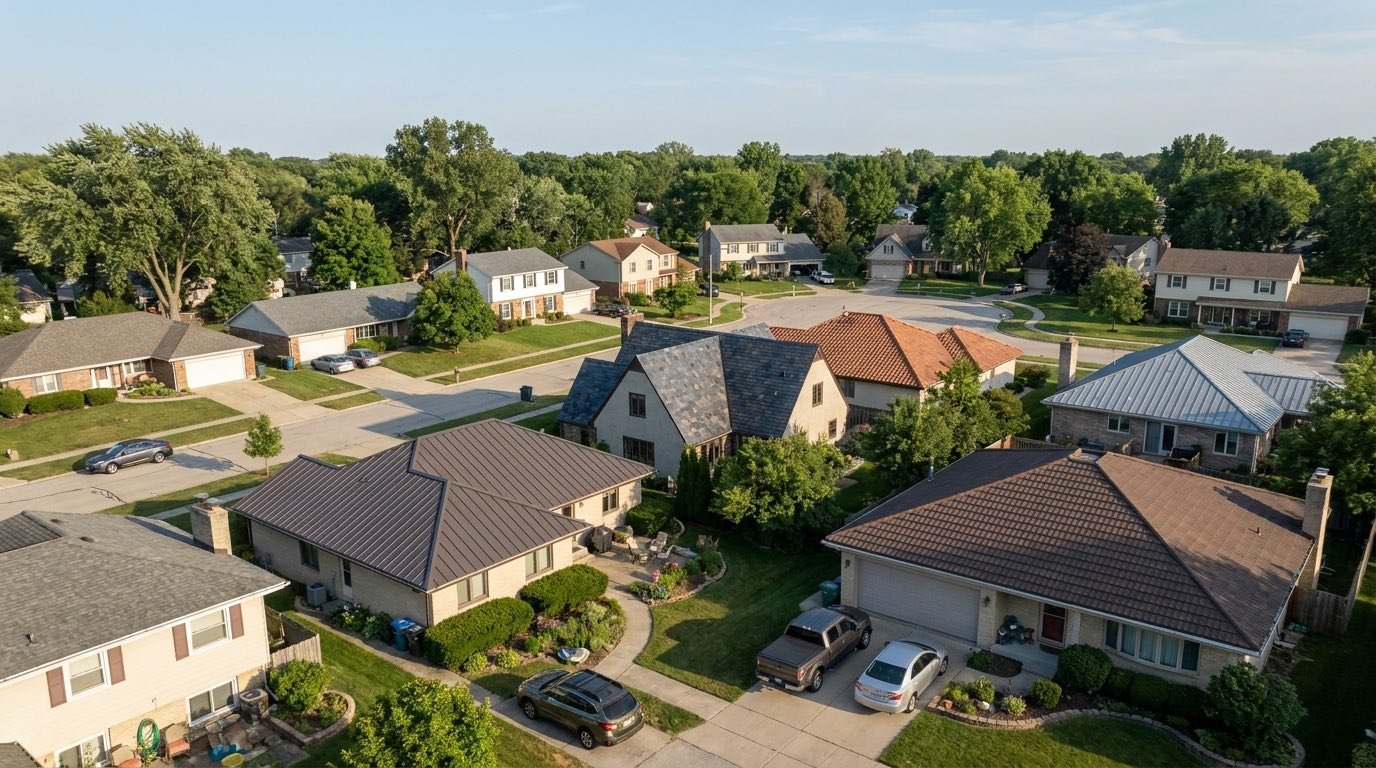
Most residential roofs last between 15 and 50 years, depending on the roofing material. Asphalt shingles typically last 15 to 30 years, while metal, tile, and slate roofs can last 40 years or more. How long does a roof last in your specific case also comes down to climate, installation quality, attic ventilation, maintenance, and exposure to severe weather.
Understanding these factors can help you estimate your roof's remaining life and know when it may be time to plan for repairs or replacement.
This article compares the lifespan of the roofing materials most commonly used on U.S. homes, so you can understand what to expect from your current roof or a future one.
There's no single number that applies to every roof. How long a roof lasts depends on the material it's made from, and even two roofs made from the same product can age differently based on how they were built and maintained.
Here's a quick look at typical lifespan by material:
| Roofing Material | Typical Lifespan |
| 3-tab asphalt shingles | 15–20 years |
| Architectural asphalt shingles | 25–30 years |
| Premium/luxury asphalt shingles | 30–40+ years |
| Metal roofing | 40–70 years |
| Wood shingles/shakes | 25–40 years |
| Clay tile | 50–100+ years |
| Concrete tile | 40–75+ years |
| Natural slate | 75–150+ years |
| TPO/EPDM/PVC | Around 20–30 years |
These numbers are typical ranges, not guarantees. A roof's actual lifespan can shift up or down based on:
Sources for these ranges: The figures above reflect ranges commonly reported by home-improvement publisher This Old House, cost-guide publisher Fixr, home-advice site RealHomes, and insurance company Nationwide, which also cites figures from the National Association of Home Builders. Ranges vary somewhat between sources because actual lifespan depends on the conditions described above, which is why this article presents ranges rather than single fixed numbers.
Key Takeaway: The roofing material sets the potential lifespan, but the actual life of a roof depends on installation, climate, ventilation, maintenance, and weather exposure. A roof reaching its typical age range doesn't automatically mean it needs replacement — the roof's current condition matters just as much.
The material used on your roof is one of the biggest factors in how long it will last. That said, a product's advertised lifespan doesn't automatically equal how long the full roof system will actually perform on your house.
Asphalt shingles are the most common roofing material on U.S. homes. They're affordable, come in many styles, and are easy for most roofing crews to install correctly.
Typical lifespan ranges from 15 to 40+ years, depending on the shingle grade. There are three main tiers: 3-tab, architectural, and premium shingles, each built with a different amount of asphalt and reinforcement.
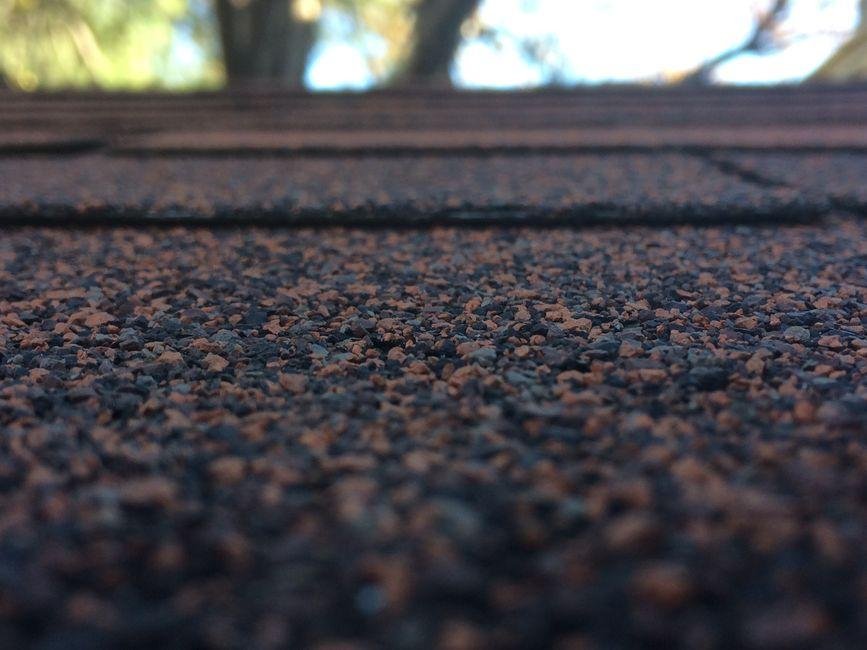
Sun exposure, heat, and moisture all wear shingles down over time. Granules loosen, the asphalt dries out, and edges start to curl.
Regular maintenance, like clearing debris and fixing small issues early, helps shingles reach the upper end of their expected range. Quality matters too: a well-installed mid-grade shingle often outperforms a poorly installed premium one.
3-tab shingles usually last 15 to 20 years. They're a single layer of asphalt cut into three tabs, which gives them a flat, uniform look.
They're the most budget-friendly option and are lightweight and simple to install. Their downside is a thinner profile, which means less resistance to wind and impact damage.
Because they have less material and a simpler design, 3-tab shingles generally wear out sooner than architectural shingles.
Architectural shingles, sometimes called dimensional shingles, typically last 25 to 30 years. They're made by laminating multiple layers of asphalt together, which creates a thicker, more textured appearance.
That extra thickness gives them better wind resistance and a longer service life than 3-tab shingles. Many homeowners choose architectural shingles because they offer a good balance of cost, appearance, and durability.
Premium or luxury shingles can last 30 to 40+ years. They use thicker, higher-grade materials and are often designed to mimic the look of wood shakes or slate.
Because they cost more upfront, homeowners should weigh the added cost against the extra years of service. For homes where a longer lifespan and a more distinct look matter, premium shingles can be worth the investment.

Metal roofing typically lasts 40 to 70 years, which is considerably longer than most asphalt shingle products. Research from the Metal Construction Association and the Zinc/Aluminum Coaters Association has found that properly maintained standing-seam steel roofing systems can perform well beyond that range with minimal corrosion, though not every metal roof will automatically reach the top of the typical range.
There are several types of metal roofing systems, and the metal itself makes a difference. Steel is common and affordable, aluminum resists corrosion well in coastal areas, and copper can last the longest but comes at a much higher price.
The coating or finish on the metal helps protect against rust and fading, and coastal environments with salt air can shorten lifespan if the coating isn't suited for that exposure. Installation quality and periodic maintenance, like checking seams and fasteners, also play a big role.
Standing-seam roofs use raised, interlocking seams with no exposed fasteners on the visible surface. This design sheds water well and reduces the number of weak points where leaks can start, which is a big reason standing-seam systems tend to last on the longer end of the metal roofing range.
Exposed-fastener metal roofs use screws or fasteners that are visible on the surface. These fasteners have rubber washers that can wear out over time, so lifespan can vary more depending on the quality of the fasteners and how often they're checked and replaced.

Wood shingles and shakes generally last 25 to 40 years. Shingles are machine-cut and have a smoother, more uniform look, while shakes are split by hand and have a thicker, rougher texture.
Moisture is the biggest threat to wood roofing. Trapped water can lead to rot, and damp conditions can attract insects that damage the wood over time.
Good attic ventilation helps wood dry out between rain events, which extends its life. In humid or rainy climates, wood roofs need more frequent maintenance to avoid moisture-related problems.
Clay tile can last 50 to 100+ years, making it one of the most durable roofing materials available; some manufacturers, such as Ludowici, back their clay tile with warranties in the 75-year range and report expected lifespans around a century. It holds up well against weather and doesn't burn, which is a plus in fire-prone areas.
Clay tile can crack or break under impact, such as from falling branches or foot traffic during repairs. It's also a heavy material, so homes need roof framing that can support the added weight.
One important point: the tile itself may outlast the underlayment beneath it. The underlayment is the water-resistant layer under the tiles, and it typically needs replacing before the tiles do, especially in hot or sunny climates.
Concrete tile typically lasts 40 to 75+ years. It shares many qualities with clay tile but is generally less expensive and slightly different in weight and appearance.
Like clay, concrete tile can crack from impact, and freeze-thaw cycles in colder climates can cause more wear over time. The underlayment beneath concrete tile also has a shorter lifespan than the tile itself, so it should be checked periodically.
Routine maintenance for concrete tile mainly involves checking for cracked or slipped tiles and keeping the roof clear of debris.
Natural slate can last an impressive 75 to 150+ years, and some slate roofs have been known to last even longer with proper care; roofing and preservation specialists note that on older slate roofs, it's usually flashing or underlayment that fails long before the slate itself does. This durability comes from slate's dense, weather-resistant stone composition.
There's a difference between natural slate and synthetic slate, which is made from rubber or polymer materials and typically has a shorter lifespan, closer to that of asphalt shingles. Natural slate is heavy and requires a roof structure built to handle the extra weight, along with an installer experienced in slate-specific techniques.
While slate is known for lasting a very long time, it should not be described as permanent. Individual slates can crack or slip, and repairs need a specialist familiar with the material.

"Flat roof" describes the roof's shape or slope, not a specific material. Most "flat" roofs are actually built with a slight slope so water can move toward drains or other drainage points, since a truly flat surface would hold water instead of shedding it. Several different materials are used for flat and low-slope roofing, each with its own lifespan.
TPO (thermoplastic polyolefin) roofing typically lasts 20 to 30 years. It's a single-layer membrane known for reflecting heat well, which helps in hot climates.
EPDM, a type of rubber roofing membrane, generally lasts 20 to 30 years as well. It's a long-standing option for low-slope roofs and holds up well against general wear.
PVC roofing also falls in the 20 to 30 year range. It's resistant to chemicals and grease, which makes it a common choice for roofs near rooftop equipment or restaurant vents.
Modified bitumen roofs typically last 15 to 20 years. This asphalt-based system is applied in layers and is a common option for smaller flat-roof sections.
For all flat roofing materials, drainage is critical. Ponding water, which is water that sits on the roof instead of draining off, is one of the main causes of early deterioration on low-slope roofs.
| Roofing Material | Lifespan | Best For | Main Consideration |
| 3-tab asphalt shingles | 15–20 years | Budget-conscious homeowners | Shorter lifespan |
| Architectural shingles | 25–30 years | Most residential homes | Moderate durability |
| Premium asphalt shingles | 30–40+ years | Homeowners wanting a longer-lasting shingle | Cost vs. added years |
| Metal roofing | 40–70 years | Long-term durability | Higher upfront cost |
| Wood shingles/shakes | 25–40 years | A natural, traditional look | Moisture and rot risk |
| Clay tile | 50–100+ years | Hot or fire-prone areas | Heavy and can crack |
| Concrete tile | 40–75+ years | A tile look at a lower cost | Cracking, freeze-thaw wear |
| Natural slate | 75–150+ years | Long-term ownership | High cost and weight |
| TPO/EPDM/PVC | 20–30 years | Flat or low-slope roofs | Drainage and seams |
This table looks at fit and trade-offs rather than repeating the lifespan numbers alone. Asphalt shingles and flat-roof membranes generally have the shortest lifespans, while metal, tile, and slate offer a much longer service life — but lifespan alone shouldn't be the only factor in choosing a roofing material. Cost, weight, structural requirements, and local climate all matter too.
Two roofs made from the exact same material can still end up with very different lifespans. That's because the material itself is only part of the equation.
For a quick reference, here's the factor that tends to matter most for each material:
| Material | Particularly Important Factor |
| Asphalt | UV exposure, heat, wind, granule loss |
| Metal | Corrosion, coating wear, fasteners |
| Wood | Moisture and rot |
| Tile | Impact damage and underlayment condition |
| Slate | Installation quality and broken or slipped slates |
| Flat roofing | Drainage and seam condition |
Correct installation matters as much as the material choice. This includes proper flashing around chimneys and vents, correctly installed underlayment, the right fasteners, and following the manufacturer's specifications.
Good workmanship and attention to detail during installation reduce the chances of leaks and premature wear. A high-quality roofing material cannot fully make up for poor installation, so choosing an experienced, qualified roofing contractor matters just as much as picking a good product.
U.S. climate conditions can significantly affect how long a roof actually lasts in real-world use. Extreme heat and UV exposure break down roofing materials over time, while heavy rain, snow, and ice add their own strain.
Freeze-thaw cycles, hail, high winds, hurricanes, humidity, and coastal salt exposure all take a toll in different ways. A roof rated for 30 years in a mild climate might not reach that mark in an area with frequent severe storms.
Attic ventilation plays a bigger role in roof lifespan than many homeowners realize. Without enough airflow, heat can build up under the roof deck, and moisture from inside the home can accumulate in the attic space.
Both heat buildup and trapped moisture can lead to premature deterioration of roofing materials from underneath. Proper ventilation helps the roof system stay at a more stable temperature and keeps moisture from settling in.
Routine maintenance helps a roof reach or exceed its expected lifespan. This includes periodic inspections, keeping gutters clear, removing debris, and trimming back nearby trees.
Addressing flashing problems and fixing minor damage early, before it turns into a bigger issue, also matters. Watching for signs of moisture, like stains or a musty smell in the attic, can catch problems before they spread.
Having the roof periodically checked through a professional roof inspection can help catch small issues before they turn into costly repairs.
A roof's shape affects both its maintenance needs and the areas most likely to develop problems. Steeper roof pitches generally shed water faster, while valleys, penetrations (like vent pipes and skylights), and complex roof geometry create more seams where water can find a way in.
Roofs with simpler designs and good drainage tend to have fewer trouble spots over time compared to roofs with many angles, valleys, and roof penetrations.
This is a point many homeowners misunderstand. A manufacturer's warranty covers the roofing product itself, while a separate workmanship warranty (often provided by the installer) covers the labor and installation.
A product's rating, like a "30-year shingle," reflects an expected service life under ideal conditions, not a guarantee. Actual service life can be shorter or longer, depending on installation quality, climate, and maintenance.
Warranties often come with specific conditions, exclusions, and coverage periods that vary by manufacturer and by product line. Some require proof of regular maintenance to remain valid.
Because warranty terms differ from one manufacturer to another, it's a good idea to read the specific warranty documents for your roofing product rather than assuming a stated lifespan is a firm promise.
These terms often get mixed up, so here's a quick breakdown:
| Term | What It Means |
| Expected lifespan | The typical period the material may perform under ideal conditions |
| Product warranty | The manufacturer's coverage for material defects, under specified conditions |
| Workmanship warranty | The installer's coverage for issues related to installation |
| Remaining useful life | How much service life an existing roof may realistically have left |

Climate is one of the biggest reasons the same roofing material can perform differently from one region to another.
Constant UV exposure and high temperatures cause roofing materials to expand and contract repeatedly, which speeds up wear over time. In these areas, reflective or heat-resistant materials often hold up better and can help a roof stay closer to its full expected lifespan.
What this means for homeowners: Pay particular attention to attic ventilation and heat-related wear, since a hot attic can bake a roof from underneath just as much as the sun bakes it from above.
Snow loads add extra weight, and ice can build up in the form of ice dams, which push water back under shingles. Repeated freeze-thaw cycles and trapped moisture are the main threats to roof lifespan in colder regions.
What this means for homeowners: Ice dams, attic moisture, and freeze-thaw cycles deserve extra attention, since these are the issues most likely to shorten a roof's life in cold climates.
Salt air can corrode metal components and fasteners faster than in inland areas. Coastal homes also deal with more frequent high winds and storm exposure, so materials and installation methods suited for wind resistance matter more here.
What this means for homeowners: Corrosion-resistant materials, marine-grade fasteners, and coatings built for salt exposure matter more here than in inland areas.
Hail impact can crack tiles, dent metal roofing, and knock granules off asphalt shingles, even without causing an immediate leak. Homes in these areas often benefit from a post-storm roof assessment to catch damage that isn't obvious from the ground.
What this means for homeowners: A roof that looks fine after a storm can still have hidden damage, so a follow-up check is worth the time in hail-prone regions.
If you already have a roof and want to know where it stands, several factors matter together, not just one number.
Consider:
Roof age alone does not determine whether replacement is necessary. A well-maintained roof can still have useful life left even near the end of its typical range, while a poorly maintained or damaged roof might need replacement sooner than expected.
A useful way to think about it: roof age, plus material, plus current condition, plus repair history, plus climate, adds up to a better estimate of remaining life than any single factor on its own. A few examples show how this plays out:
If you're not sure where your roof stands, a professional inspection can give you a clearer sense of its remaining useful life based on its actual condition.
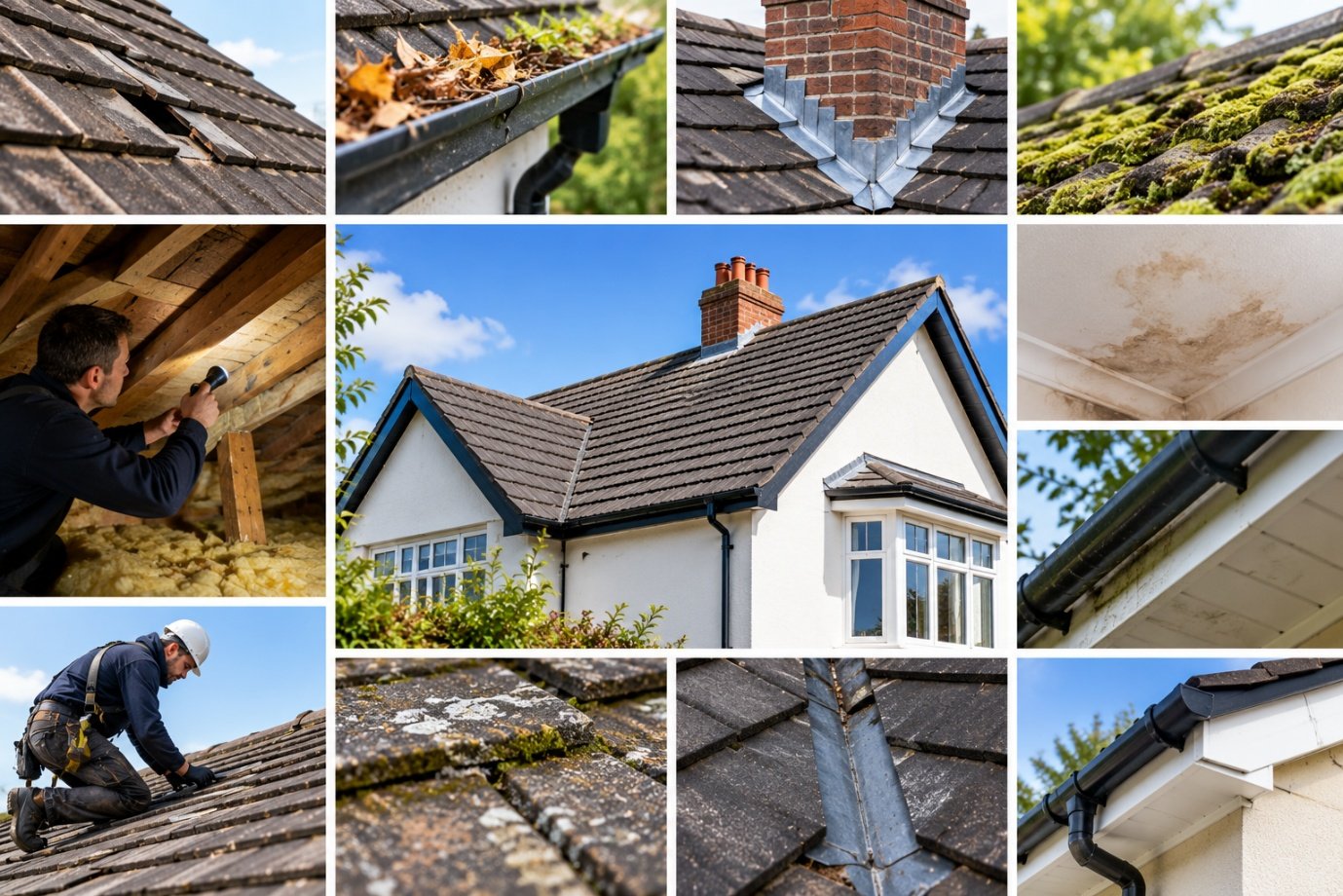
Watch for these warning signs, grouped by where you're likely to spot them:
Visible exterior signs
Interior signs
Age and performance signs
Not every sign on this list automatically means the whole roof needs to be replaced. Some issues, like a small area of damaged flashing, can often be repaired. Widespread deterioration across multiple areas, though, is a stronger signal that full replacement may be the more practical option.
| Repair May Be Appropriate When | Replacement May Be Appropriate When |
| Damage is localized | Damage is widespread |
| Roof is relatively young | Roof is near the end of its expected life |
| Most roofing material remains healthy | Material is broadly deteriorated |
| Problem is isolated to flashing | Repeated leaks occur |
| Limited number of damaged shingles | Significant sections require replacement |
Roof age, extent of damage, overall material condition, and past repair history all factor into this decision together. One useful way to frame it is repair cost versus remaining roof life: a repair often makes sense when the roof still has substantial useful life left, but if a roof is already near the end of its expected service life and needs frequent repairs, replacement may be worth considering instead of continuing to patch individual problems.
These habits can help a roof reach the upper end of its expected lifespan:
These steps support a longer-lasting roof, though they can't guarantee an exact number of added years since so many factors are at play.
There's no single age at which every roof must be replaced. Instead, the decision generally comes down to a combination of factors: age, material, current condition, repair history, local climate, and how widespread any existing damage is.
A few common scenarios:
Because every roof and situation is different, these scenarios are meant as general guidance rather than a strict rule.
There isn't one answer to how long do roofs last. The material gives you a general lifespan range, but the roof's actual condition, installation, climate, maintenance, and weather exposure determine how much useful life remains.
If you're deciding whether to repair or replace an existing roof, look at its age and condition together rather than relying on age alone.
Regular inspections and timely repairs can help you get the most useful life from your roof.
Knowing your roof's approximate remaining life can also help you plan for replacement before minor problems become expensive damage.
Yes. Some insurers consider roof age and condition when setting coverage terms or premiums because older roofs are more likely to develop problems. However, policies vary, so check your specific policy.
Yes. An expected lifespan is not an expiration date. A well-installed and maintained roof can last beyond its typical range, but condition and hidden deterioration should still be evaluated.
Yes, usually. Building permits, previous owner records, and invoices are the most reliable sources. If those aren't available, a roofing contractor can often estimate the roof's age from its material, wear, and condition.
Not necessarily. Properly installed solar panels shouldn't inherently shorten roof life, but mounting hardware and roof penetrations must be installed correctly. It's best to check the roof's remaining life before installing panels.
Early replacement can make sense after severe damage, when repairs become too costly, or when upgrading to a longer-lasting or more energy-efficient material. Replacing before complete failure can also help prevent more expensive interior damage.
Olivia Bennett has over 12 years of experience helping homeowners transform their spaces with practical, thoughtful solutions. She guides projects of all scales, blending creativity with efficiency and attention to detail to achieve lasting results. Olivia holds a degree in Interior Architecture from the University of Michigan and draws inspiration from global design trends and architecture, ensuring every space is both functional and beautifully considered.

No Comments