



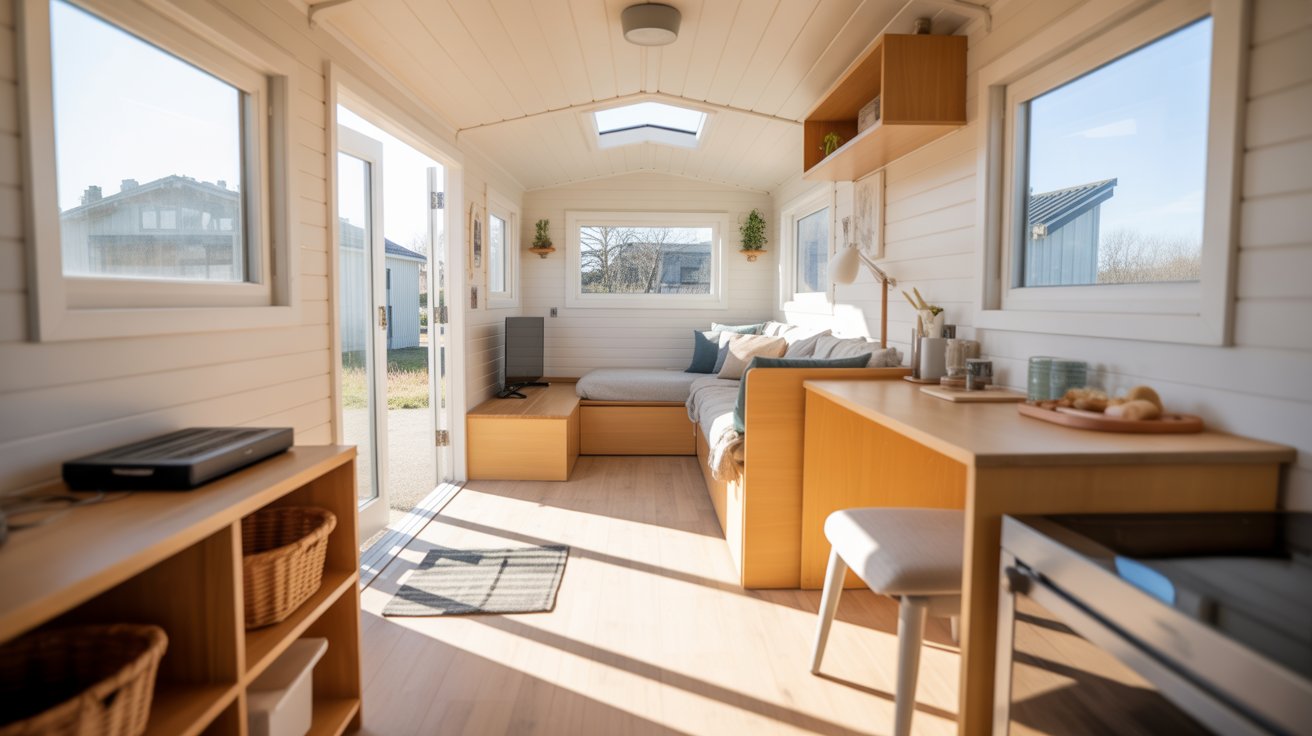
Living in a tiny house doesn’t mean you have to feel cramped. With smart tiny house interior design, even the smallest home can feel open, stylish, and comfortable. In this guide, you’ll discover practical layout ideas, space-saving furniture, and visual tricks that make your tiny house interior feel much bigger than it really is—without knocking down walls or spending a fortune.
Whether you’re planning your first tiny home or looking to refresh your current space, these proven design strategies will help you create a home that breathes.
Tiny house interior design is all about making small spaces work for you. It’s the art of arranging furniture, choosing colors, and organizing storage so that every inch of your home feels useful and pleasant.
When done right, a tiny home interior can feel just as comfortable as a regular-sized home. The secret is in smart planning, clever storage, and design tricks that fool the eye into seeing more space.
Why does this matter? Because your home should be a place where you can relax, work, and live happily—no matter how many square feet it has.
Before diving into specific rooms and furniture, understanding these core design principles will guide all your decisions:
Flow: Your layout should allow easy movement from one area to another without obstacles. Think about how you move through your day and design pathways accordingly.
Scale: Furniture and décor should match the size of your space. Oversized pieces overwhelm small rooms, while appropriately scaled items maintain visual balance.
Proportion: The relationship between different elements matters. A huge sofa next to a tiny side table looks awkward. Keep proportions harmonious.
Functionality: Every item should serve a purpose. In compact home interiors, form follows function—beauty and usefulness go hand in hand.
These principles work together to create spaces that feel intentional, organized, and spacious.
Several things work together to create that open, airy feeling:
The difference between a cramped tiny house and a well-designed one comes down to planning. A good design makes you forget how small the space actually is.
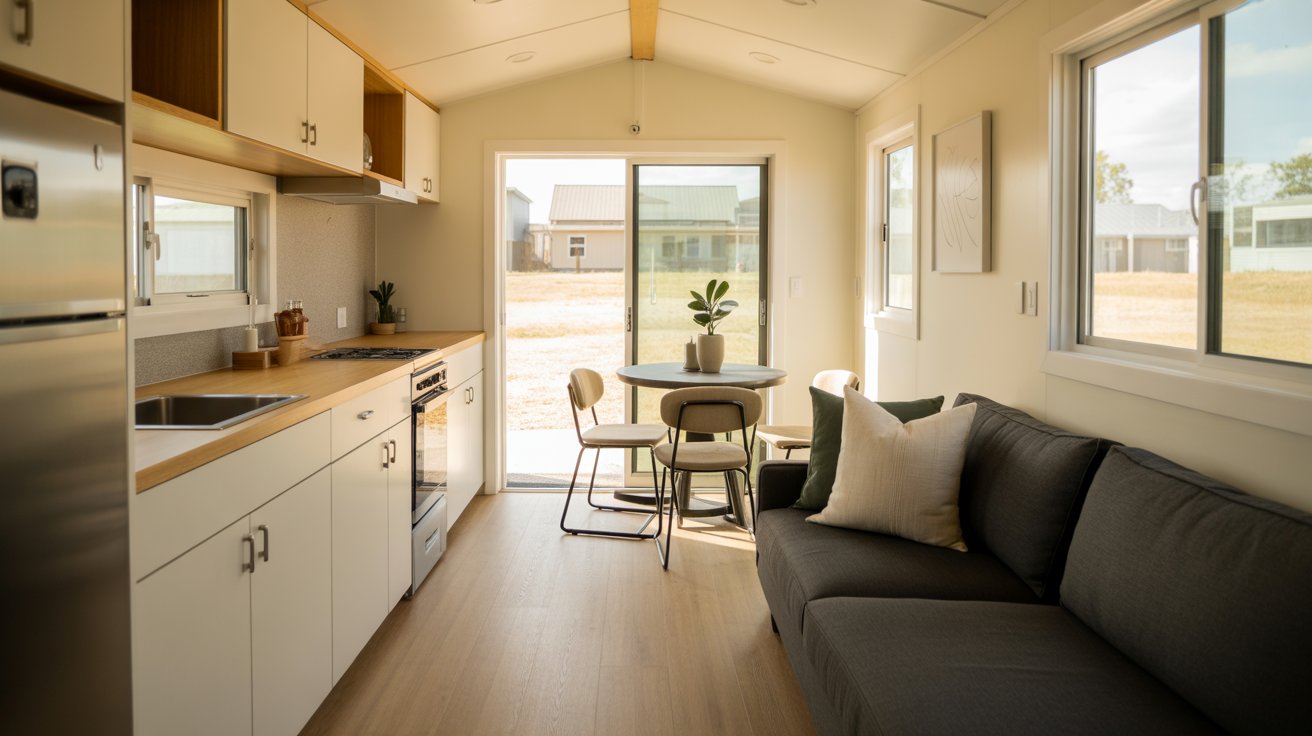
One of the best ways to make a tiny house interior design feel bigger is to avoid dividing it into tiny rooms. Instead, let your living room, dining area, and kitchen flow into one another.
When you can see from one end of your home to the other, it feels much more open. There are no walls blocking your view or making you feel boxed in.
You can still create separate areas without building walls. Use these simple tricks:
This way, each part of your home has its own purpose, but the space still feels open.
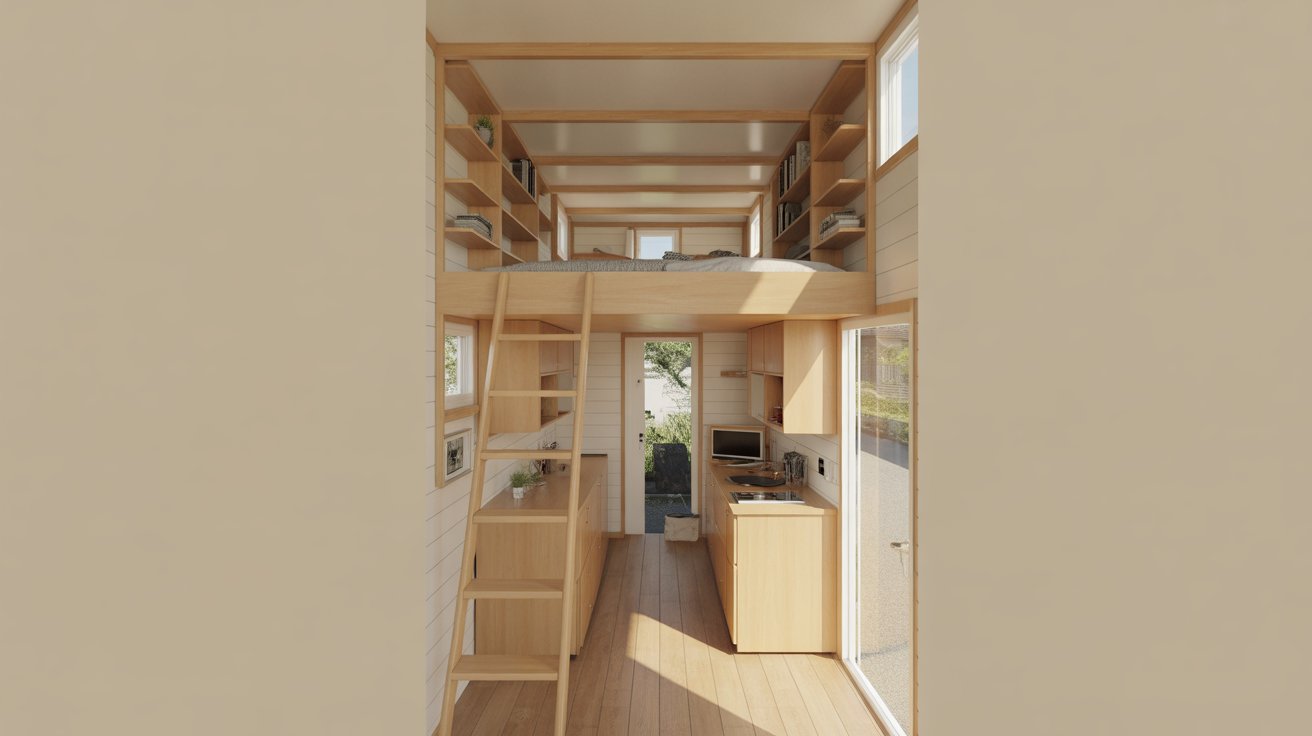
Don’t just think about floor space—look up! The vertical space in your tiny house is valuable.
Furniture that does more than one job is perfect for tiny houses:
When one piece of furniture serves two or three purposes, you need fewer items overall.
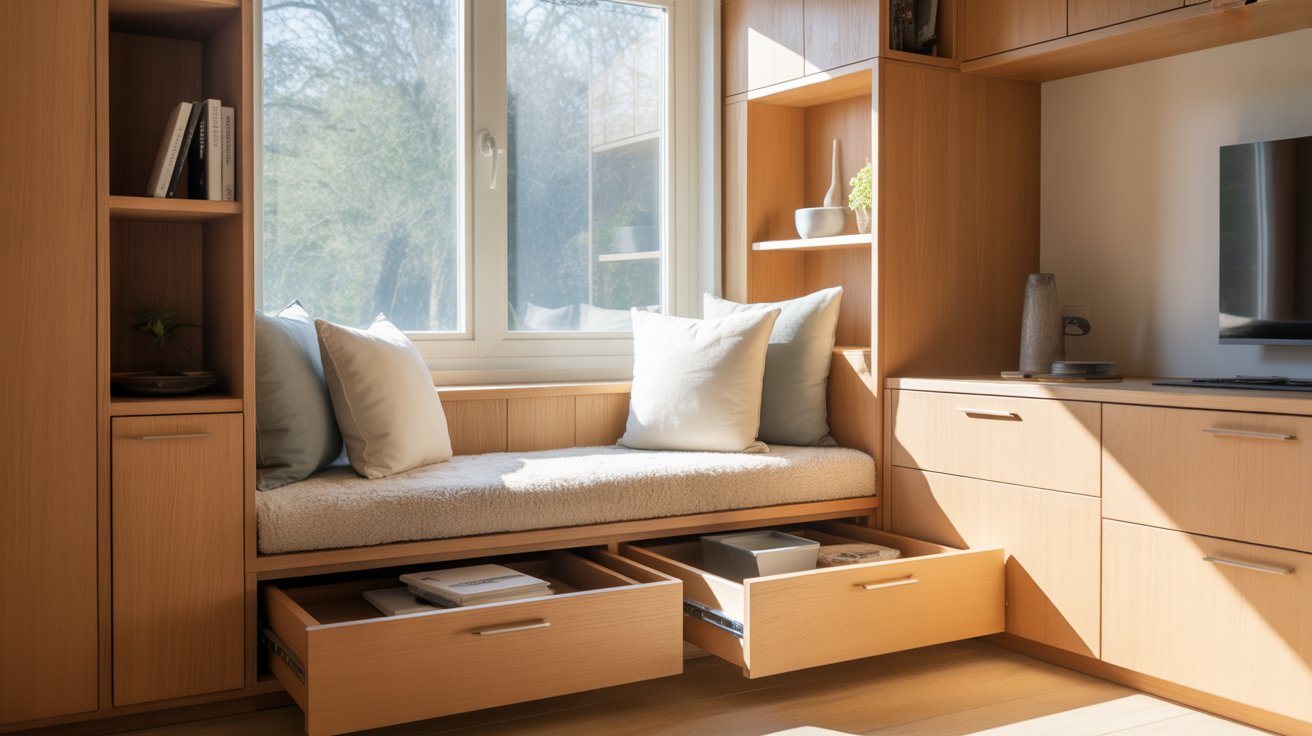
Custom-built furniture makes the most of awkward spaces:
Built-ins look neat and don’t waste any space.
Furniture that disappears when you don’t need it is a game-changer:
Good storage is the backbone of tiny house living. When everything has a place, your home stays organized and feels more open.
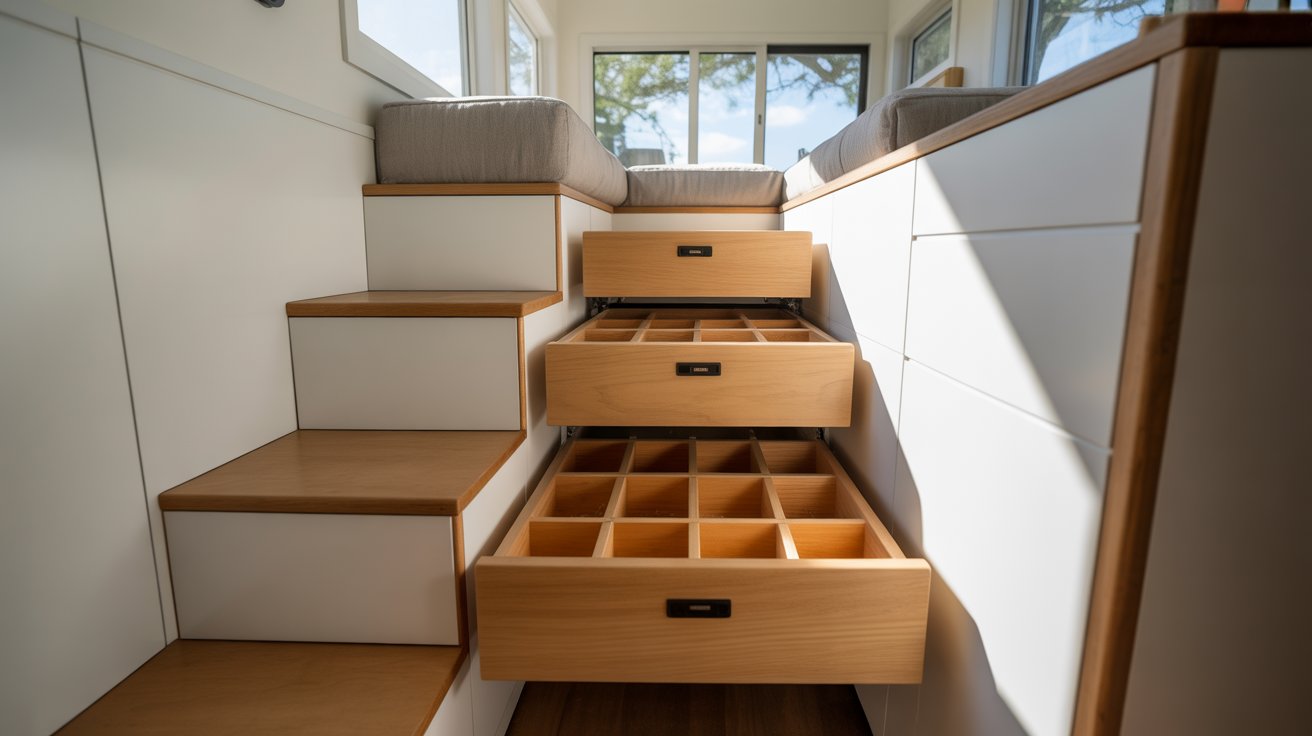
Look for storage opportunities in unexpected places:
The more you can hide away, the cleaner and more spacious your home will look.
Use your walls from floor to ceiling:
In a tiny house, less really is more. Keep only what you need and love:
A clutter-free home always feels bigger.
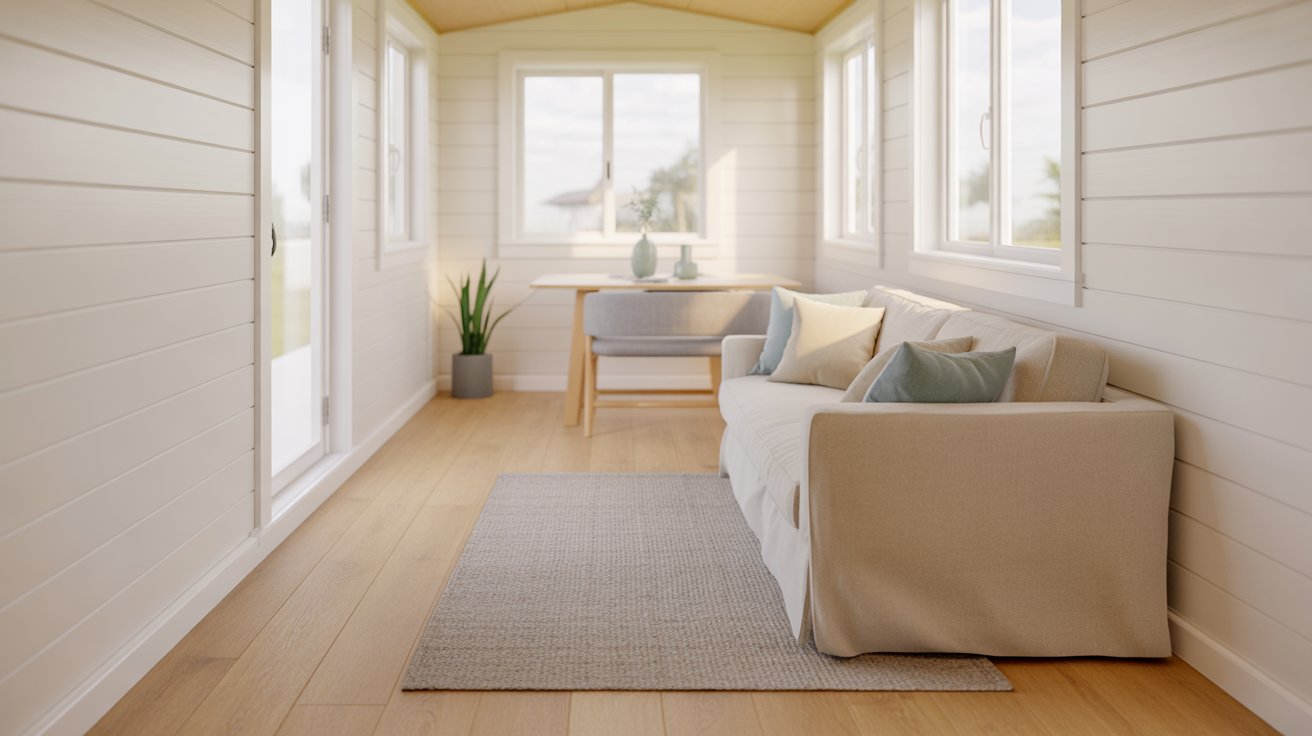
Light colors make walls seem to recede, creating the illusion of more space:
Save darker colors for small accent pieces.
Mirrors are magic in small spaces. They reflect light and views, making one room look like two:
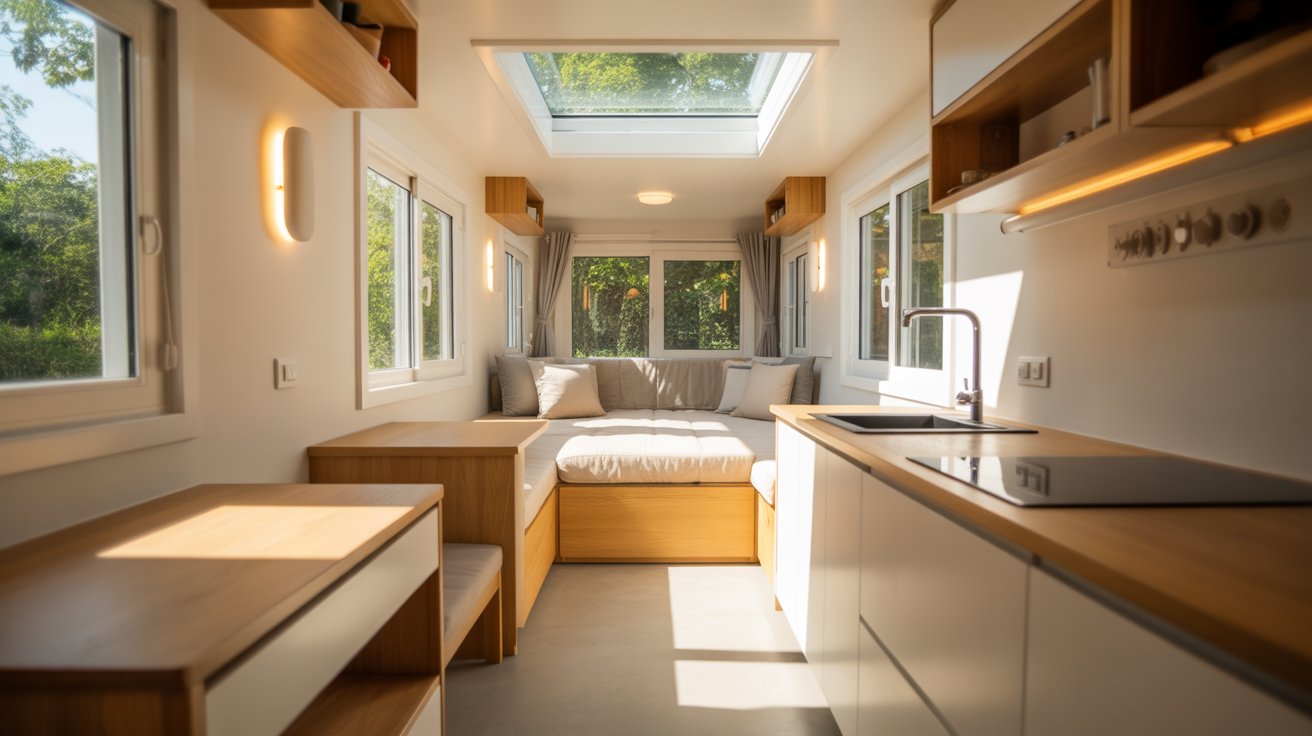
Good lighting is essential for making a space feel open:
Avoid relying on just one overhead light. Layer different types of lighting for the best effect.
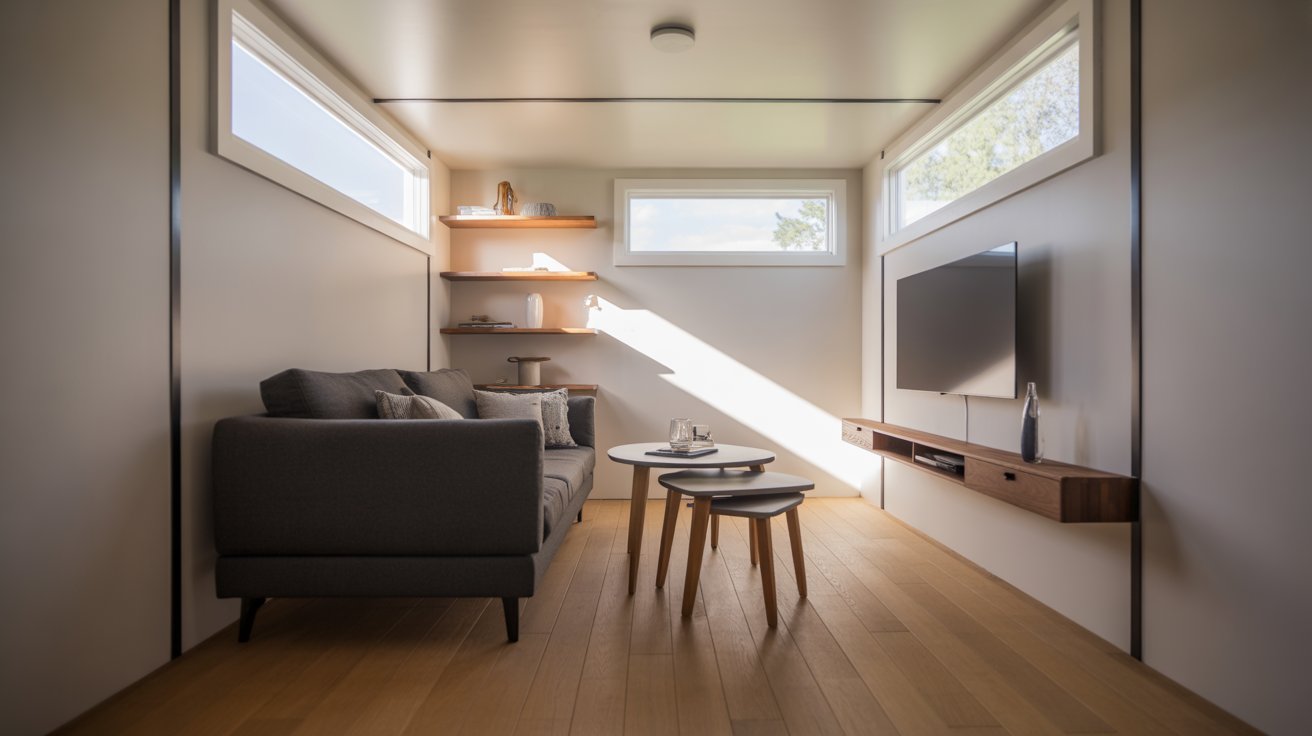
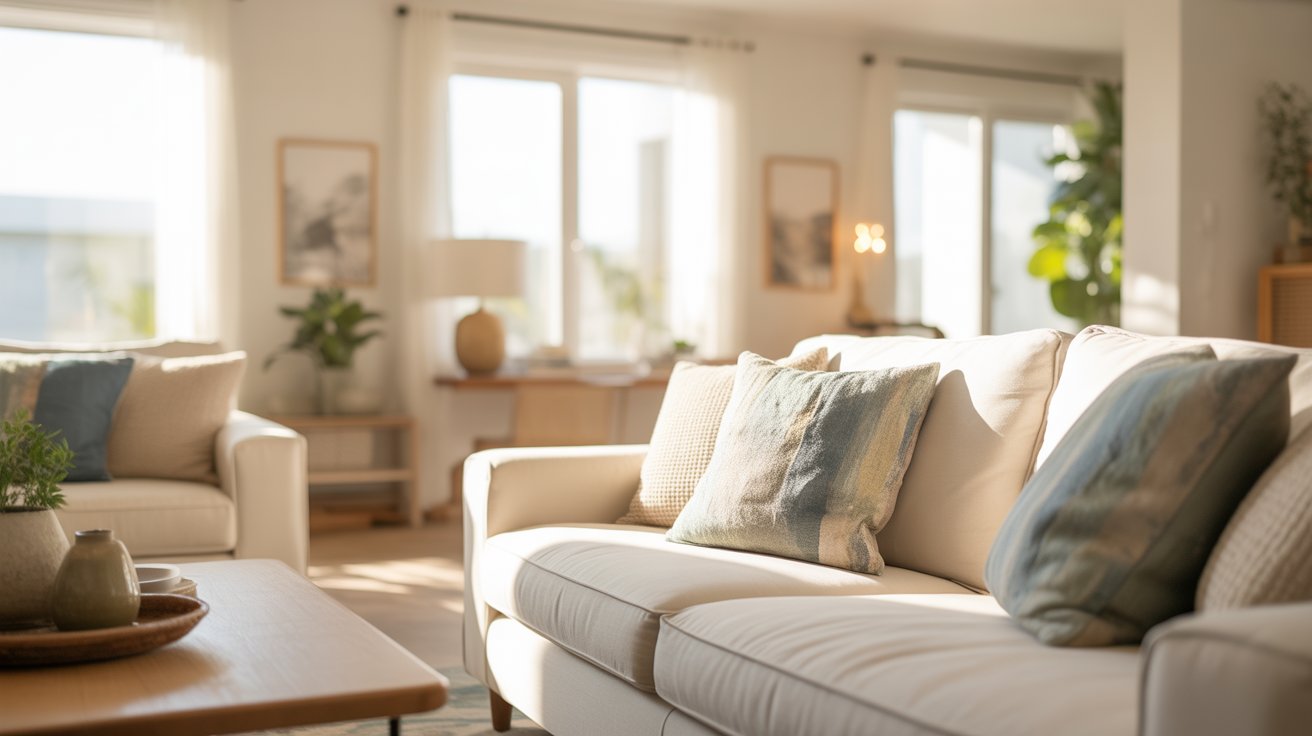
Your living room should be comfortable without feeling crowded:
Tip: Before changing everything, start with one area—your living room, kitchen, or loft—and apply just two ideas from this guide. Small upgrades create big visual space fast.
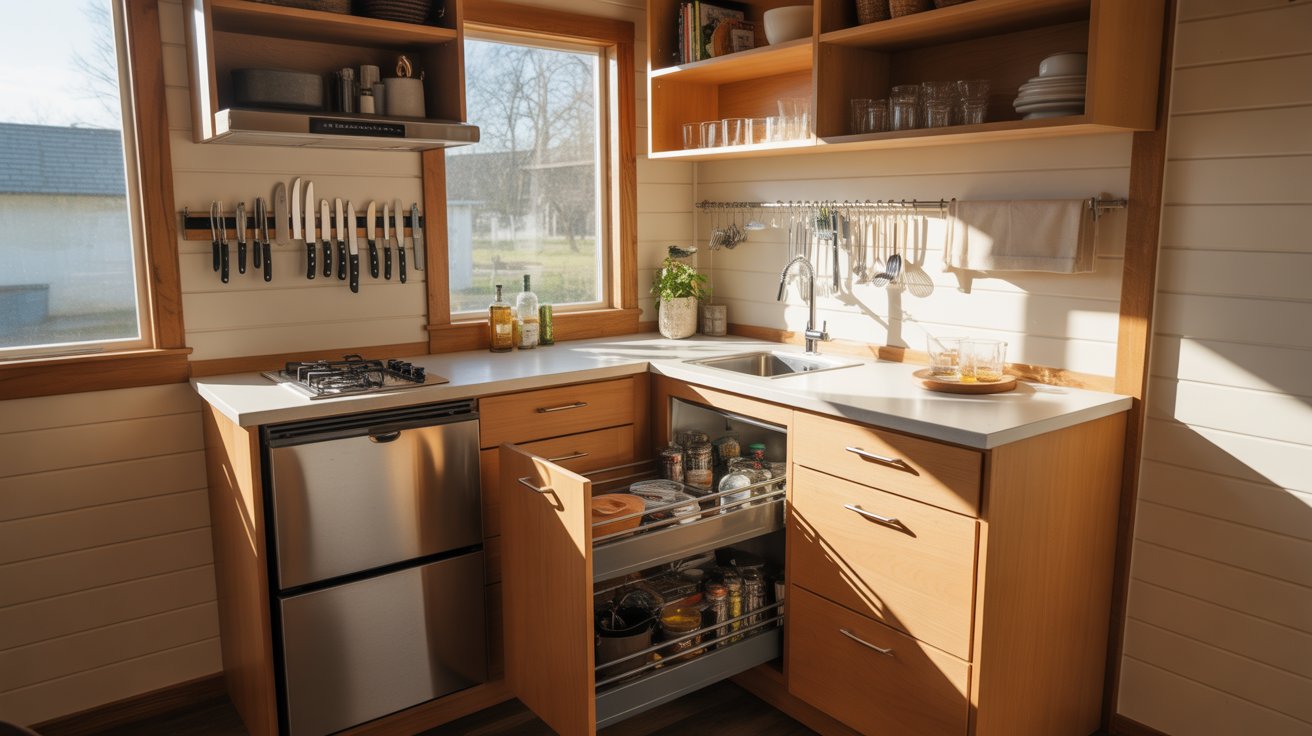
Kitchens need lots of function in a small footprint:
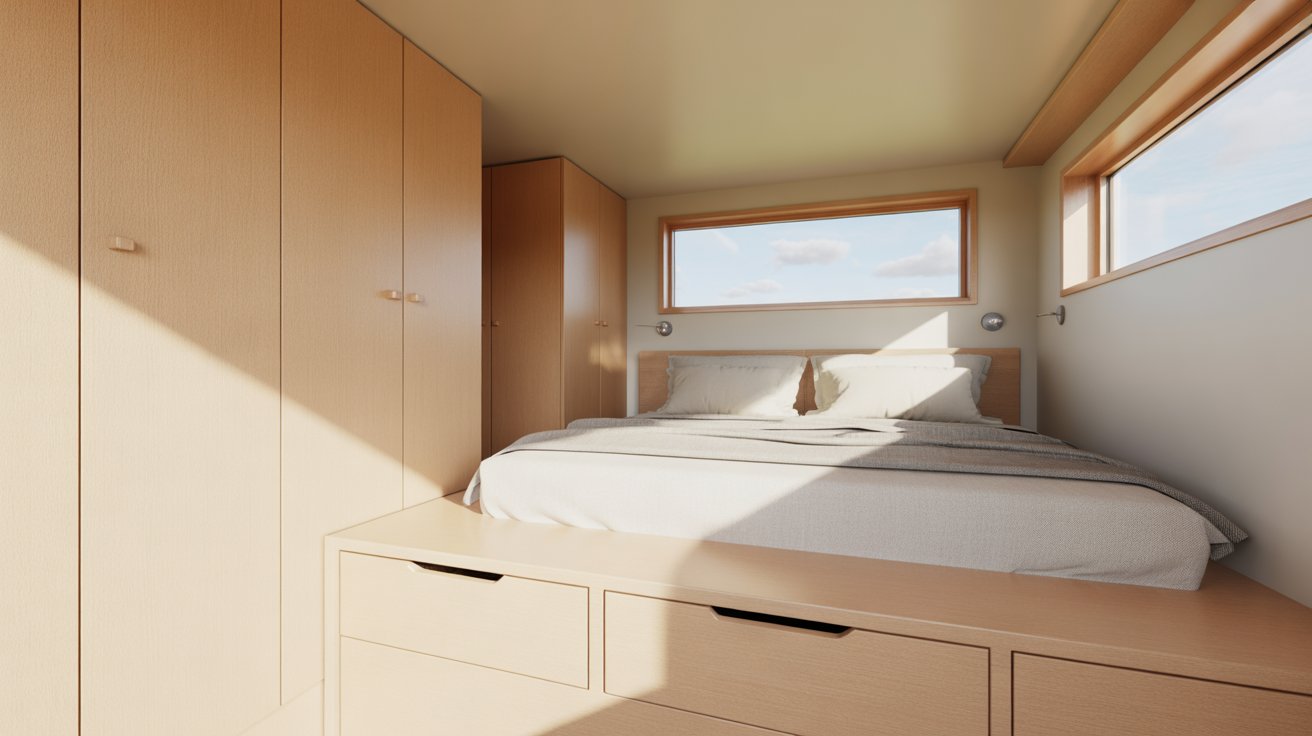
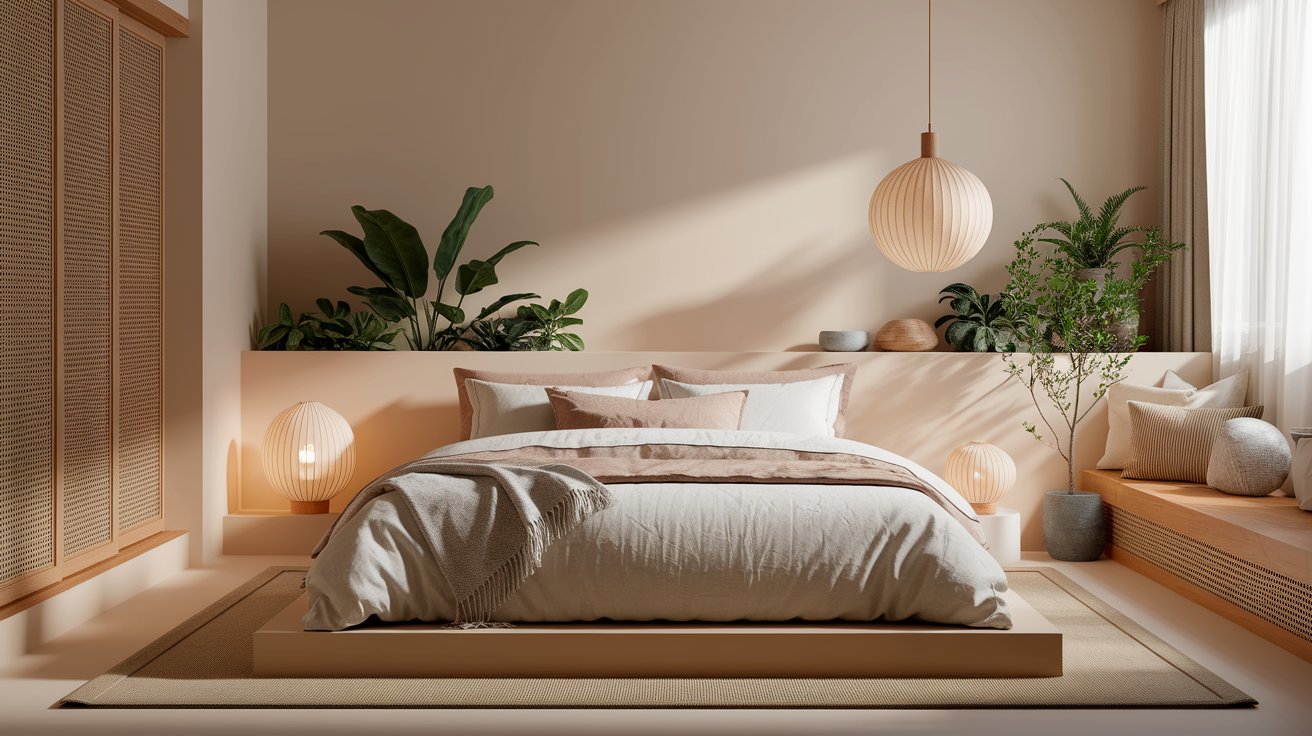
Sleeping spaces in tiny houses are often lofted or tucked away:
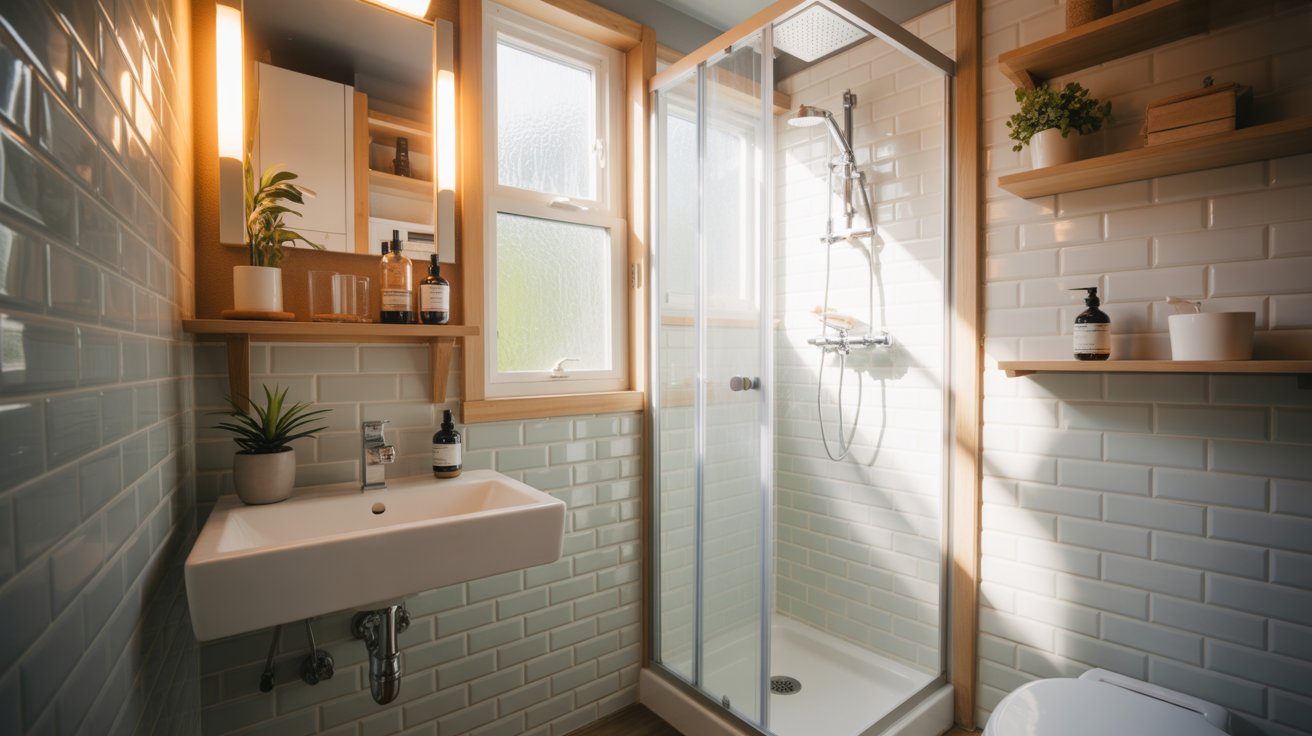
Even the smallest bathroom can be functional:
Decorating a tiny home interior requires a light touch:
Remember, empty space is part of the design. You don’t need to fill every corner.
Learning from others’ mistakes can save you time and frustration:
Overfilling the space: Just because you have room for something doesn’t mean you should add it. Leave breathing room.
Ignoring vertical space: If you only use floor space, you’re missing out on valuable storage and design opportunities.
Poor lighting choices: Dark corners make a small space feel even smaller. Invest in good lighting.
Buying furniture without measuring: Always measure doorways, spaces, and furniture before buying. What looks small in a store might be huge in your tiny house.
Choosing dark colors everywhere: While accent colors are fine, covering all your walls in dark paint will make the space feel closed in.
If you’re still in the planning phase, your interior design should align with your overall structure. Consider how your tiny home layout ideas affect furniture placement, traffic flow, and storage options.
For those exploring larger compact options, triple wide mobile homes offer more square footage while still requiring smart interior design to maximize openness and functionality.
The key is matching your interior choices with your floor plan from the start—this prevents costly redesigns later.
Use light colors on walls and floors, add mirrors to reflect light, choose furniture that doesn’t block sightlines, maximize natural light, and keep clutter to a minimum. Open floor plans and vertical storage also help create the feeling of more space.
White, soft beige, light grey, and pale pastels work best. These colors reflect light and make walls appear farther away. You can add pops of color with pillows, art, or small decorations.
Multifunctional pieces like sofa beds, fold-down tables, and storage ottomans are ideal. Built-in furniture, wall-mounted pieces, and items that can fold away or stack also work well. Choose furniture sized appropriately for small spaces.
Most tiny house dwellers recommend maximizing every possible storage area. Plan for hidden storage under stairs, beds, and seating. Use vertical wall space and overhead areas. The exact amount depends on your lifestyle, but most people find they need less storage once they downsize their belongings.
Making a tiny house interior feel spacious is all about smart choices. Focus on open layouts, light colors, clever storage, and furniture that works hard for you. Don’t be afraid to use vertical space and mirrors to create the illusion of more room.
Remember, tiny house living is about quality over quantity. Choose each item carefully and make sure it serves a purpose. With creativity and planning, your compact home interior can feel like a comfortable, airy home that perfectly fits your lifestyle.
The principles of flow, scale, proportion, and functionality will guide every decision—from paint colors to furniture placement. When these elements work together, even the smallest space transforms into a home that feels open, organized, and welcoming.
Start with one room or one idea from this guide, and build from there. Your tiny house journey is personal—make it your own!
Ready to transform your tiny house? Start by choosing one storage hack or design trick from this guide and try it today. Small changes can make a big difference in how spacious your home feels.
Clara Jameson is an interior design specialist with more than 10 years of experience helping people create stylish and functional spaces. She blends aesthetics with practicality to make sophisticated design approachable and achievable. Clara earned her B.A. in Interior Design from Savannah College of Art and Design. She enjoys traveling, visiting art galleries, and studying architecture to gather fresh inspiration that she brings to every project.


No Comments