

Getting a new roof is one of the biggest expenses for any homeowner. If you’re planning to replace your roof in 2026, you probably have one big question: How much will it cost?
The answer depends on several things like your roof size, the materials you choose, and where you live. In this guide, we’ll break down everything you need to know about roof replacement costs in 2026. You’ll learn the average prices, what affects the cost, and how to save money without cutting corners.
Let’s get started!
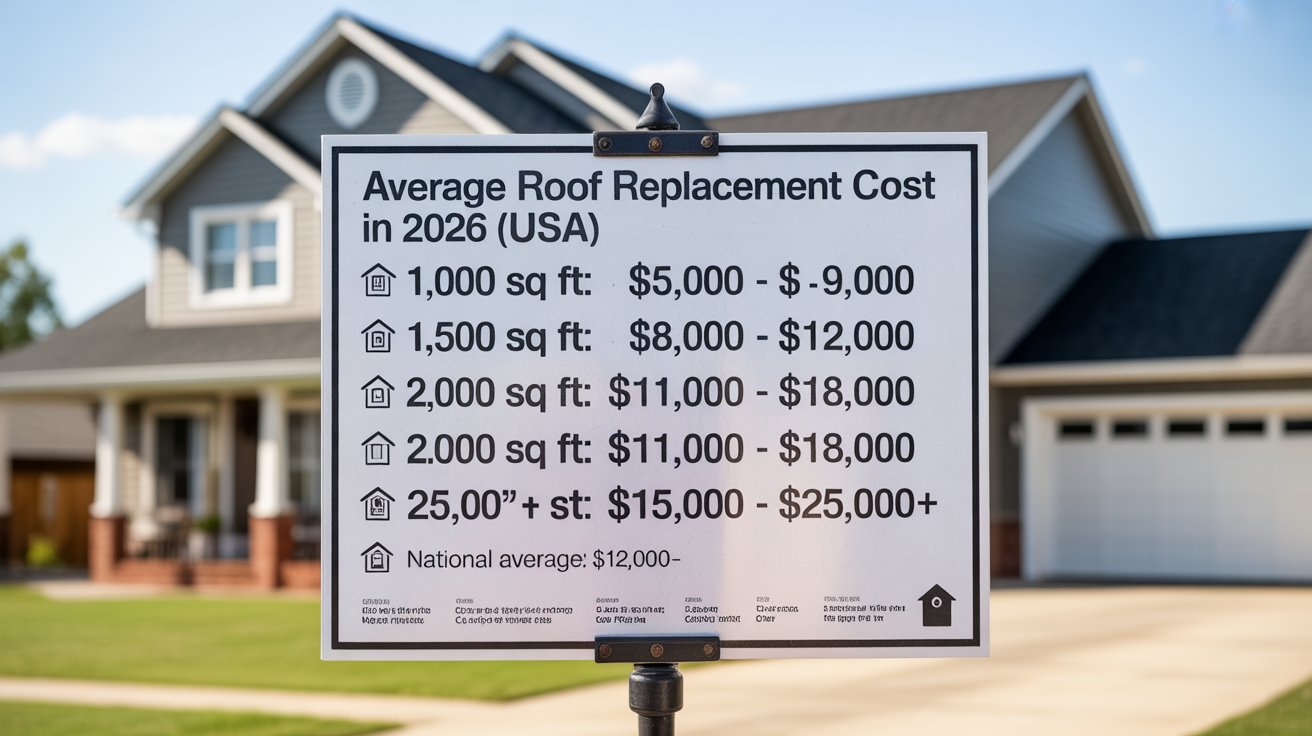
Most American homeowners spend between $8,000 and $16,000 to replace their roof in 2026. The national average sits around $12,000.
Here’s a quick breakdown:
The cost per square foot typically ranges from $4 to $12, depending on the materials and complexity of your roof.
Roof Size | Average Cost Range |
1,000 sq ft | $5,000 – $9,000 |
1,500 sq ft | $8,000 – $12,000 |
2,000 sq ft | $11,000 – $18,000 |
2,500 sq ft | $15,000 – $22,000 |
3,000 sq ft | $18,000 – $28,000 |
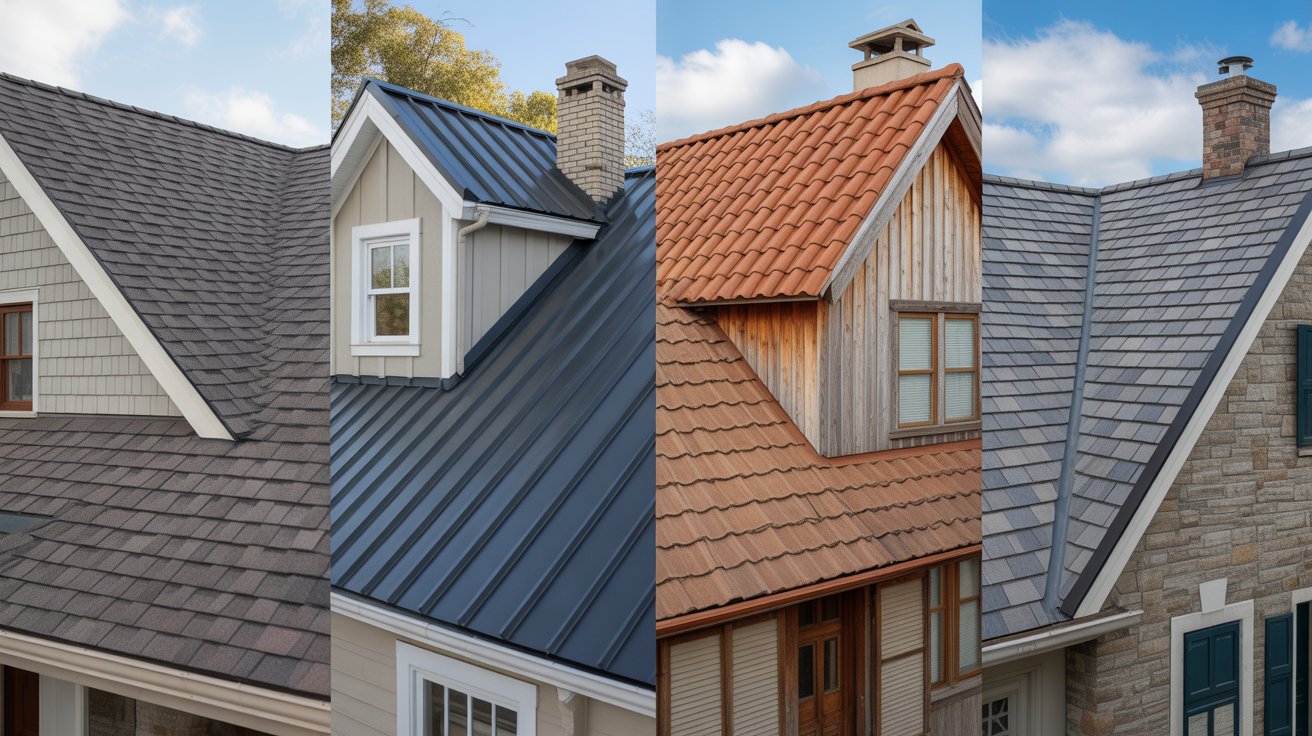
The material you pick makes the biggest difference in your final bill. Here’s what you can expect from popular roofing options:
Asphalt shingles are the most common roofing material in America, and for good reason.
Asphalt shingles come in two types: 3-tab (cheaper) and architectural (more durable and attractive).
Metal roofs are becoming more popular because they last forever and look modern.
Metal roofs save money on energy bills because they reflect heat. You can choose standing seam panels or metal shingles that look like traditional roofing.
Tile roofs are beautiful and extremely durable.
Keep in mind that tile is very heavy. Your house might need extra structural support, which adds to the cost.
Wood gives your home a natural, rustic look.
Wood requires more maintenance than other materials and may not be allowed in areas with fire risk.
Slate is the premium choice that lasts longer than most houses.
Material | Cost per Sq Ft | Lifespan | Maintenance |
Asphalt Shingles | $3.50 – $7.00 | 15-30 years | Low |
Metal | $7.00 – $14.00 | 40-70 years | Very Low |
Tile | $10.00 – $20.00 | 50-100 years | Low |
Wood | $6.50 – $11.00 | 20-40 years | High |
Slate | $15.00 – $30.00 | 75-150 years | Very Low |
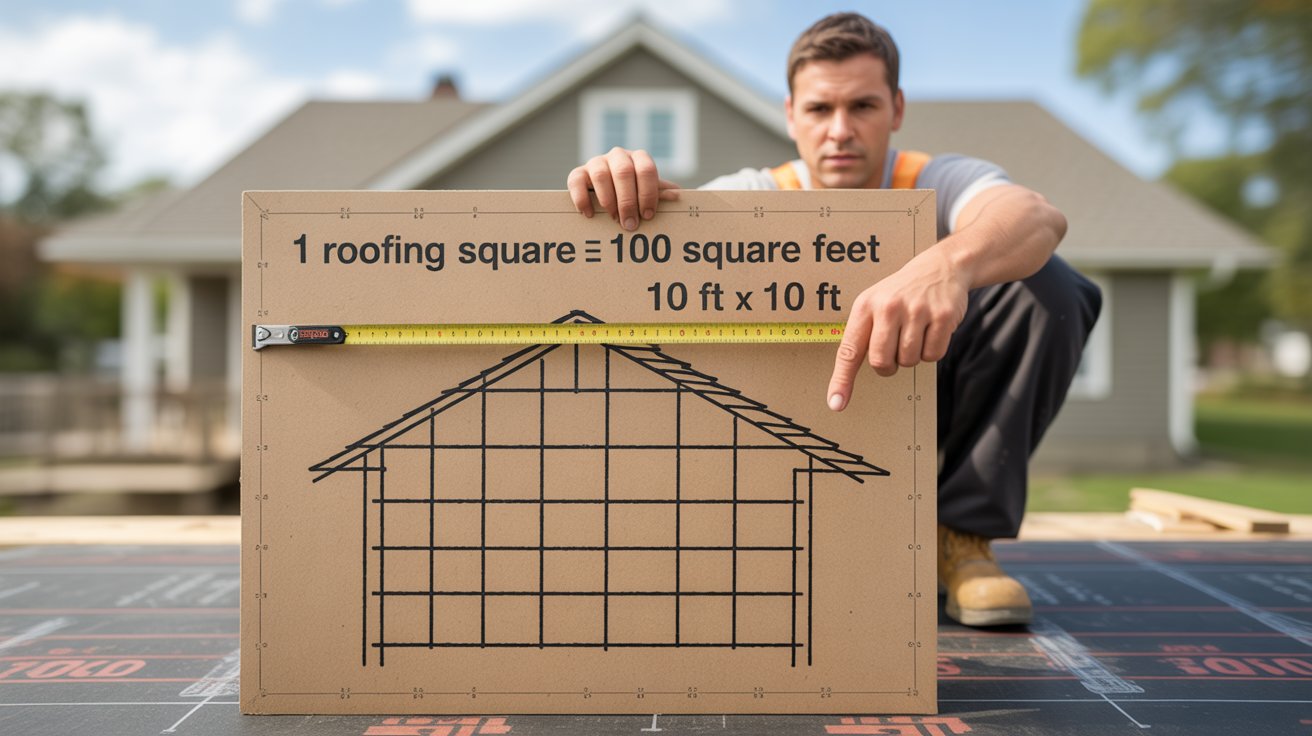
Roofers don’t measure in square feet—they use “squares.” One square equals 100 square feet. So a 2,000 square foot roof is 20 squares. When you get quotes, you’ll see prices listed “per square.”
Labor typically takes up 40% to 60% of your total roof replacement cost.
Average labor costs in 2026:
Several things affect labor costs:
Roof pitch (steepness): Steeper roofs are harder and more dangerous to work on, so they cost more.
Complexity: Multiple levels, chimneys, skylights, and valleys add time and difficulty.
Location: Labor costs more in cities and expensive areas. Rural areas typically have lower rates.
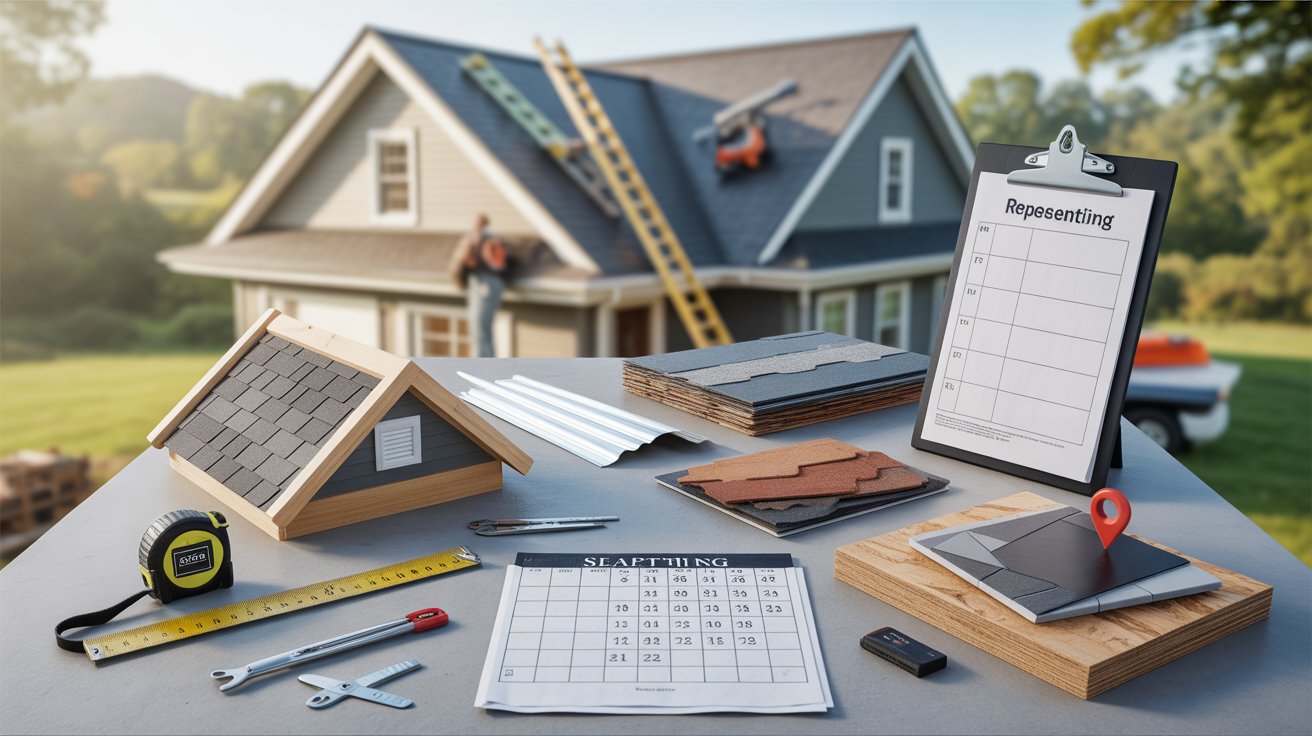
Bigger roofs obviously cost more. But slope matters too. A steep roof might cost 20-30% more than a flat or gently sloped roof because it takes longer and requires more safety equipment.
As we covered above, your material choice is huge. You could spend $7,000 on basic asphalt or $50,000 on premium slate.
Most roof replacements require tearing off the old roof first. This costs $1 to $3 per square foot for removal and disposal.
Some homeowners think they can save money by putting new shingles over old ones (overlay). This is usually not recommended because it hides problems and makes future repairs harder.
The decking is the wood underneath your shingles. If it’s rotted or damaged, it needs replacement. This adds $2 to $7 per square foot to your cost.
About 30% of roof replacements need at least some decking repair.
Most cities require a permit for roof replacement. This costs $100 to $500 depending on where you live. Some areas also require inspections, which might add another $200 to $400.
Where you live makes a big difference:
Homes in areas with extreme weather (hurricanes, heavy snow) often need stronger materials and installation, which costs more.
Late spring through early fall is peak roofing season. You might save 10-20% by scheduling your replacement in late fall or winter when contractors are less busy.
These surprise costs catch many homeowners off guard:
If your estimate doesn’t include tear-off, add $1,000 to $3,000 for removal and disposal.
You won’t know how much bad decking you have until the old roof comes off. Budget an extra $1,000 to $4,000 just in case.
Sometimes the rafters or trusses underneath need fixing. This can add $1,500 to $5,000 or more.
Proper attic ventilation helps your roof last longer. If your ventilation is outdated, adding ridge vents or soffit vents costs $300 to $1,200.
While the roof is being done, it’s smart to replace old gutters. New gutters run $4 to $12 per linear foot, or about $800 to $2,400 for an average home.
Many contractors include this, but some charge separately. Expect $300 to $800 if it’s not included.
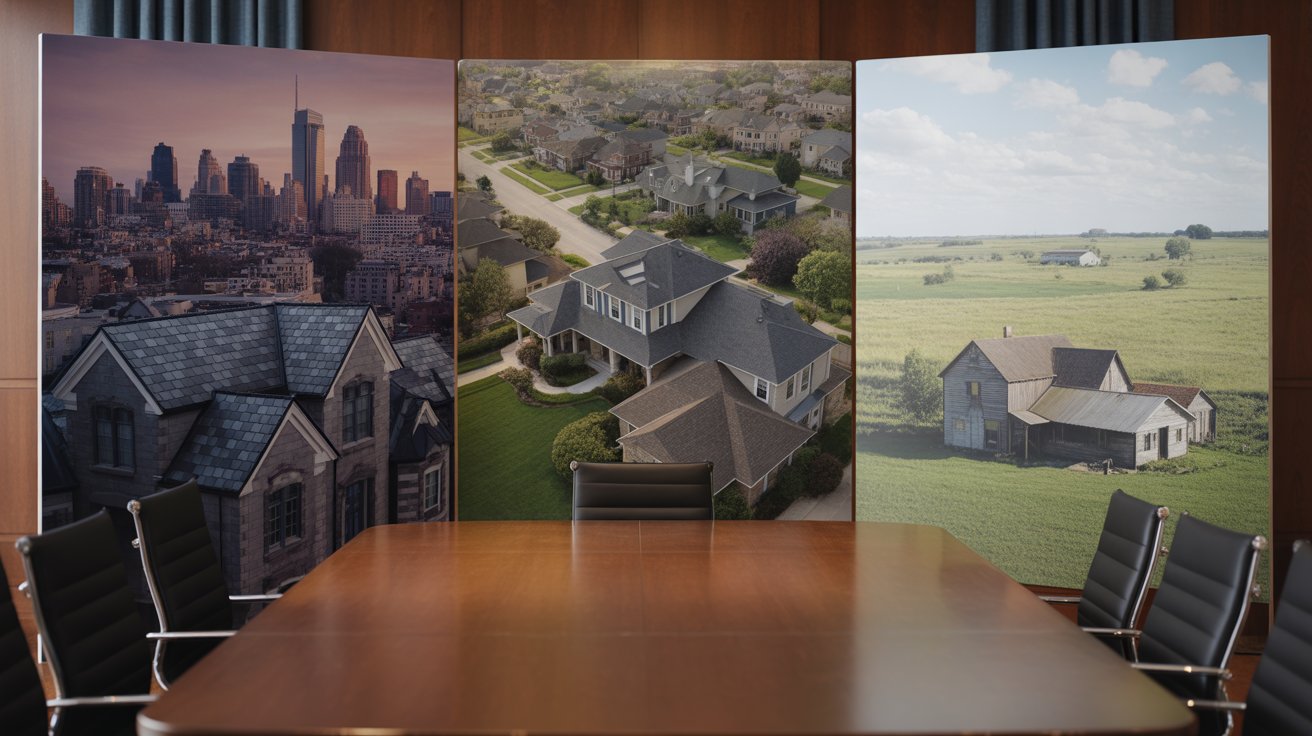
Location makes a huge difference in what you’ll pay:
Costs are higher near big cities and lower in rural areas within the same state.
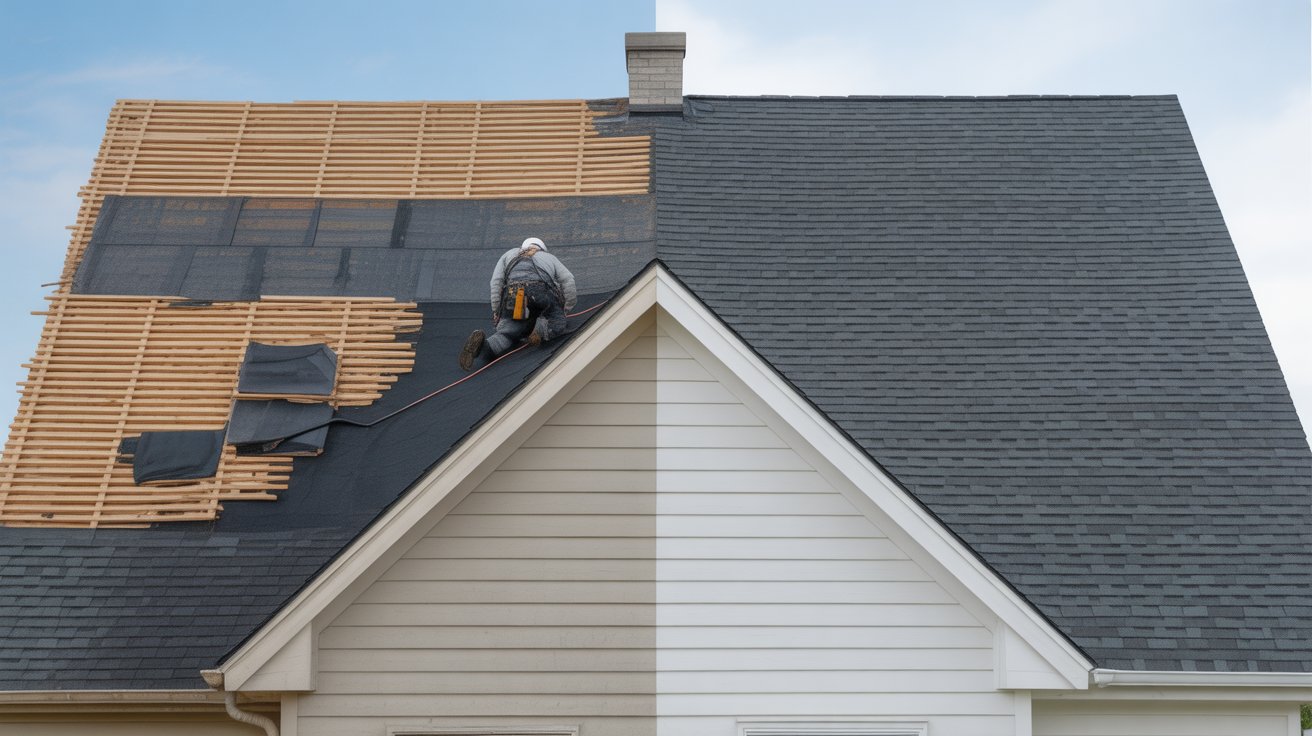
Sometimes a repair is smarter than a full replacement:
Average repair cost: $400 – $1,500
Situation | Repair Cost | Replacement Cost | Best Choice |
Few missing shingles | $300 – $800 | $10,000 | Repair |
One small leak | $400 – $1,200 | $10,000 | Repair |
Multiple leaks, 20-year-old roof | $2,000 – $4,000 | $10,000 | Replace |
Widespread damage | $3,000+ | $10,000 | Replace |
Replacing your roof increases your home value by about 60% of the replacement cost. So a $12,000 roof replacement adds roughly $7,000 to your home’s value.
You can save thousands without sacrificing quality:
Schedule your replacement in late fall or winter (if weather permits). Contractors often offer 10-20% discounts during slow seasons.
Always get at least three quotes from licensed contractors. Prices can vary by $2,000 to $5,000 for the same job.
Many roofing manufacturers offer rebates or discounts when you buy certain products. You can save $100 to $500 or more.
If storm damage caused the need for replacement, your homeowner’s insurance might cover most or all of the cost. Check your policy and file a claim if eligible.
Many roofing companies offer payment plans. Some have 0% financing for 12-24 months, letting you spread the cost without paying interest.
If you need gutters, siding, or other exterior work, doing it all at once can save 10-15% compared to separate projects.
Some handy homeowners remove the old shingles themselves to save $1,000 to $2,000 on labor. Only do this if you’re physically capable and understand the safety risks.
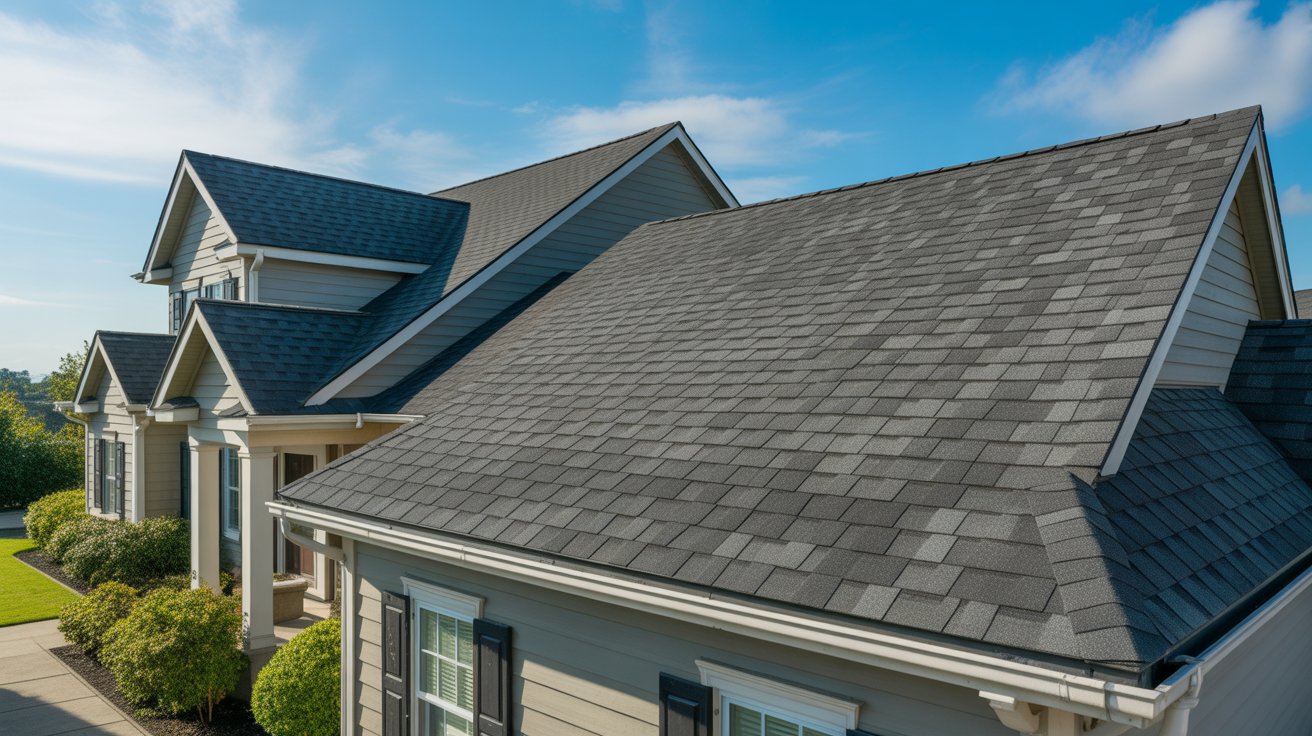
Absolutely! Here’s why:
A new roof adds serious curb appeal and value. You’ll recoup about 60-70% of the cost when you sell.
Modern roofing materials reflect heat better, reducing your cooling costs by 10-25% in summer.
Some insurance companies offer discounts for new roofs, especially impact-resistant ones. You might save 5-20% on premiums.
A quality new roof means no repair costs for 15-30 years (or longer with premium materials). You’ll save thousands in maintenance.
No more worrying about leaks during storms or calling contractors for emergency repairs. A new roof protects your biggest investment.
Most residential roof replacements take 1 to 3 days for an average-sized home.
Timeline by roof size:
Day 1: The crew arrives early, usually between 7-8 AM. They’ll set up safety equipment, lay tarps to protect your landscaping, and start tearing off the old roof. Expect noise!
Day 2: They’ll install new decking if needed, add underlayment, and start laying the new roofing material.
Day 3: Final installation, flashing around chimneys and vents, cleanup, and inspection.
You can stay home during the work, but it will be noisy. Many homeowners go to work or run errands during the day.
This roof replacement cost guide is based on national roofing estimates, contractor pricing data, and real homeowner reports across the United States. All prices reflect 2026 material and labor rates gathered from licensed roofing professionals in multiple states.
We’ve analyzed costs from urban and rural markets, compared quotes from major roofing suppliers, and consulted with industry experts to ensure accuracy. However, prices may vary by location, specific contractor, and individual project requirements. Always get multiple local quotes for your specific situation.
Data Sources:
Replacing your roof is a big investment, but it’s one of the most important things you can do for your home. A quality new roof protects everything inside, saves money on energy bills, and gives you peace of mind for decades.
Key takeaways:
Ready to get started? Contact local roofing contractors for free estimates. Make sure they’re licensed, insured, and have good reviews. Ask about warranties on both materials and labor.
A new roof is a smart investment that protects your home and family. With the right planning and contractor, you’ll have a beautiful, durable roof that lasts for decades to come.
The average homeowner pays between $8,000 and $16,000 for a roof replacement in 2026, with most spending around $12,000. Your actual cost depends on your roof size, material choice, and location.
Basic 3-tab asphalt shingles are the cheapest option, costing $3.50 to $5.00 per square foot installed. For an average 2,000 square foot roof, that’s about $7,000 to $10,000 total.
Insurance covers roof replacement if damage was caused by storms, hail, fire, or other covered events. Normal wear and tear or old age is not covered. If your roof is damaged in a storm, file a claim right away. Your insurance might pay for everything except your deductible.
Most asphalt shingle roofs need replacement every 20-25 years. Metal roofs last 40-70 years, while tile and slate can last 50-100 years. However, severe weather damage can require earlier replacement.
Technically yes, but it’s not recommended unless you have roofing experience. Roofing is dangerous work, and mistakes can lead to leaks, void warranties, and cost more to fix later. Most people save money by hiring professionals who work quickly and guarantee their work.
Most cities and counties require a permit for roof replacement. Your contractor typically handles this, but it adds $100 to $500 to your cost. Check with your local building department.
Maybe! Some insurance companies offer discounts for new roofs, especially if you use impact-resistant shingles or metal roofing. Ask your insurance agent about potential savings.
Olivia Bennett has over 12 years of experience helping homeowners transform their spaces with practical, thoughtful solutions. She guides projects of all scales, blending creativity with efficiency and attention to detail to achieve lasting results. Olivia holds a degree in Interior Architecture from the University of Michigan and draws inspiration from global design trends and architecture, ensuring every space is both functional and beautifully considered.



No Comments