
How to Choose the Perfect Window Coverings for Your Home
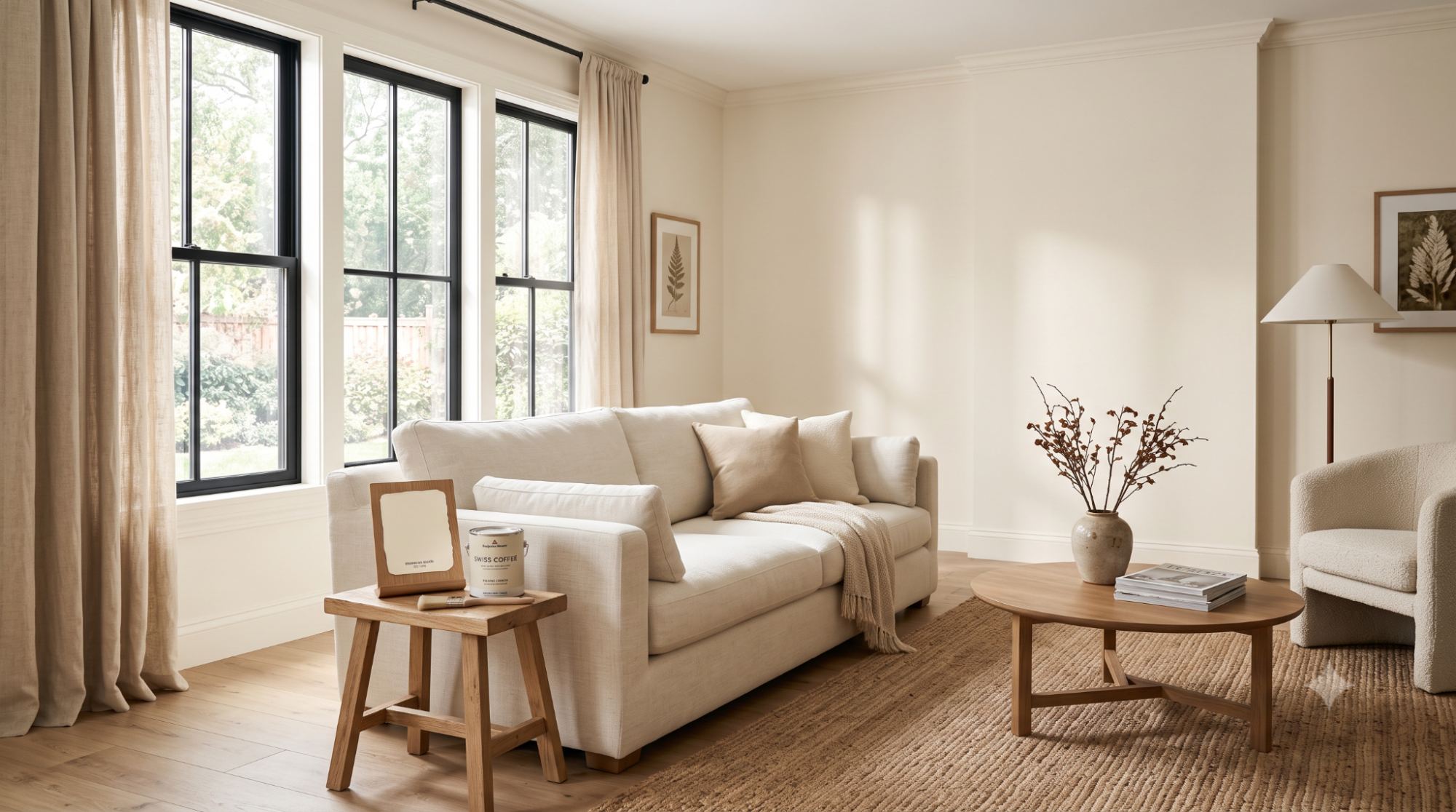
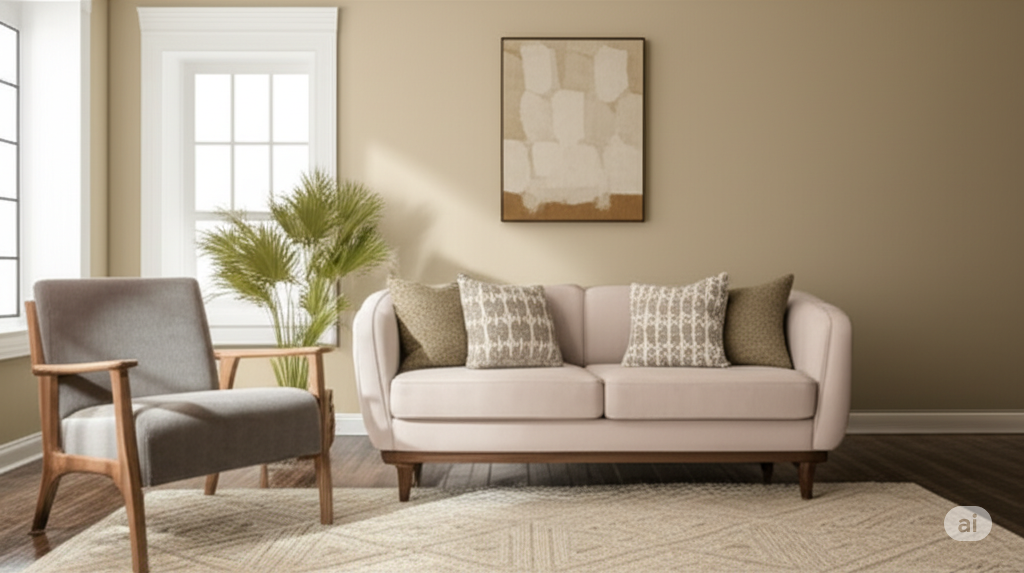
Window coverings are more than just decorative features. They influence


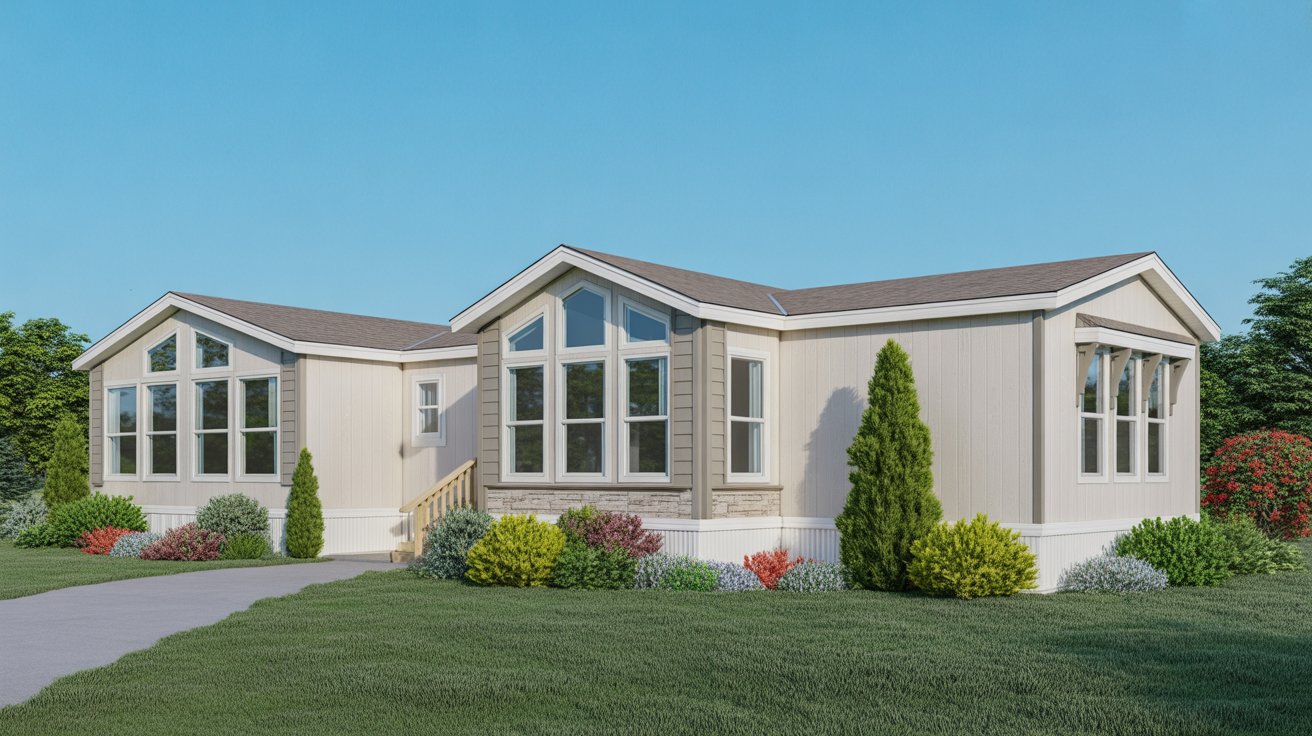
Are you dreaming of a spacious home without the hefty price tag of traditional construction? Triple wide mobile homes offer families an affordable way to enjoy roomy living spaces that feel just like regular houses. These factory-built houses are assembled in three sections, offering 2,400–3,600+ square feet of space at a lower cost per square foot than site-built homes.
In this guide, you’ll discover everything about triple wide manufactured homes, real-world pricing, trusted builders, and helpful buying tips to make your decision easier.
Quick Take: Triple wide mobile homes are factory-built houses assembled in three sections, offering 2,400–3,600+ sq ft of space at a lower cost per square foot than site-built homes. They’re perfect for growing families, retirees, and landowners seeking affordable comfort without sacrificing quality or room to grow.
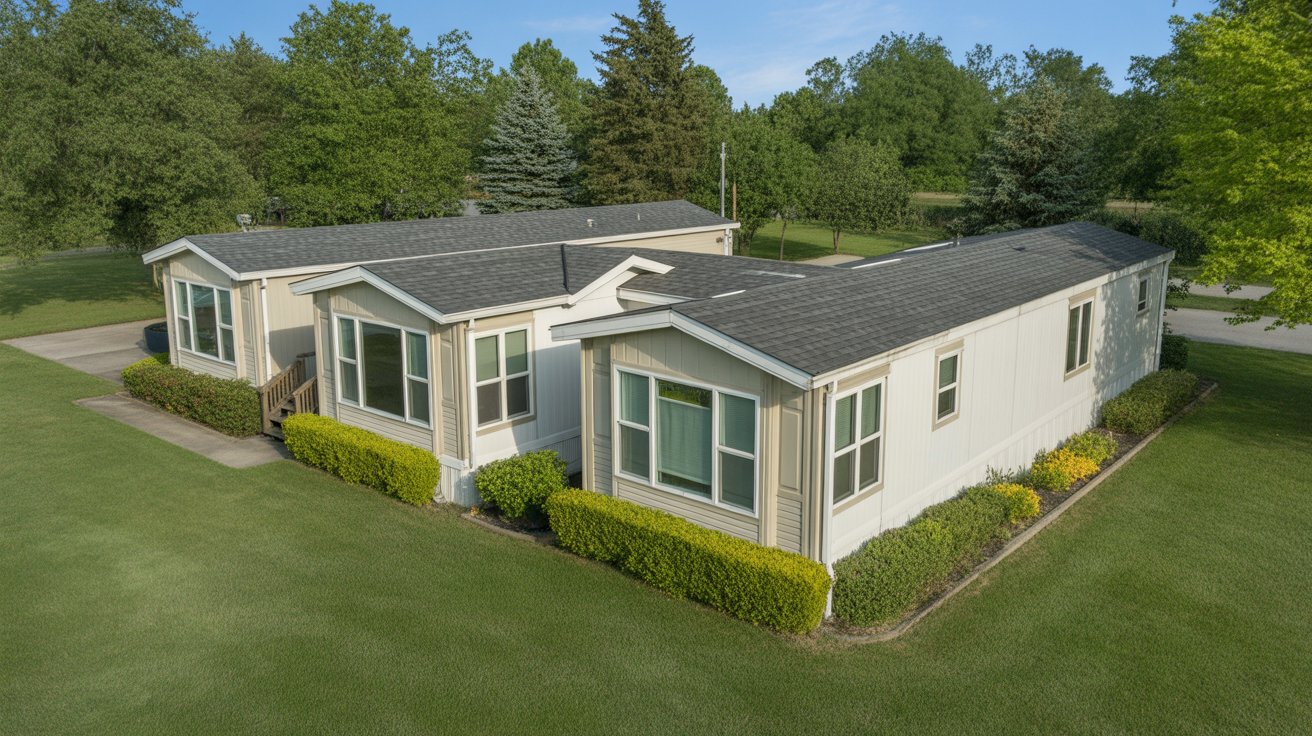
A triple wide mobile home is built in three separate sections at a factory, then transported to your property and joined together on-site. Think of it like assembling three large puzzle pieces to create one complete house.
These homes follow manufactured housing standards, which means they’re built to strict safety codes. The construction happens indoors, protected from weather, ensuring better quality control than traditional building methods.
Most triple wide manufactured homes range from 2,400 to 3,600 square feet, giving you plenty of room for your family to grow and live comfortably.
Quick Tip: Yes, a triple wide is considered a manufactured home because it’s built in a factory and transported to your land. This factory construction often results in fewer weather-related delays compared to traditional building.
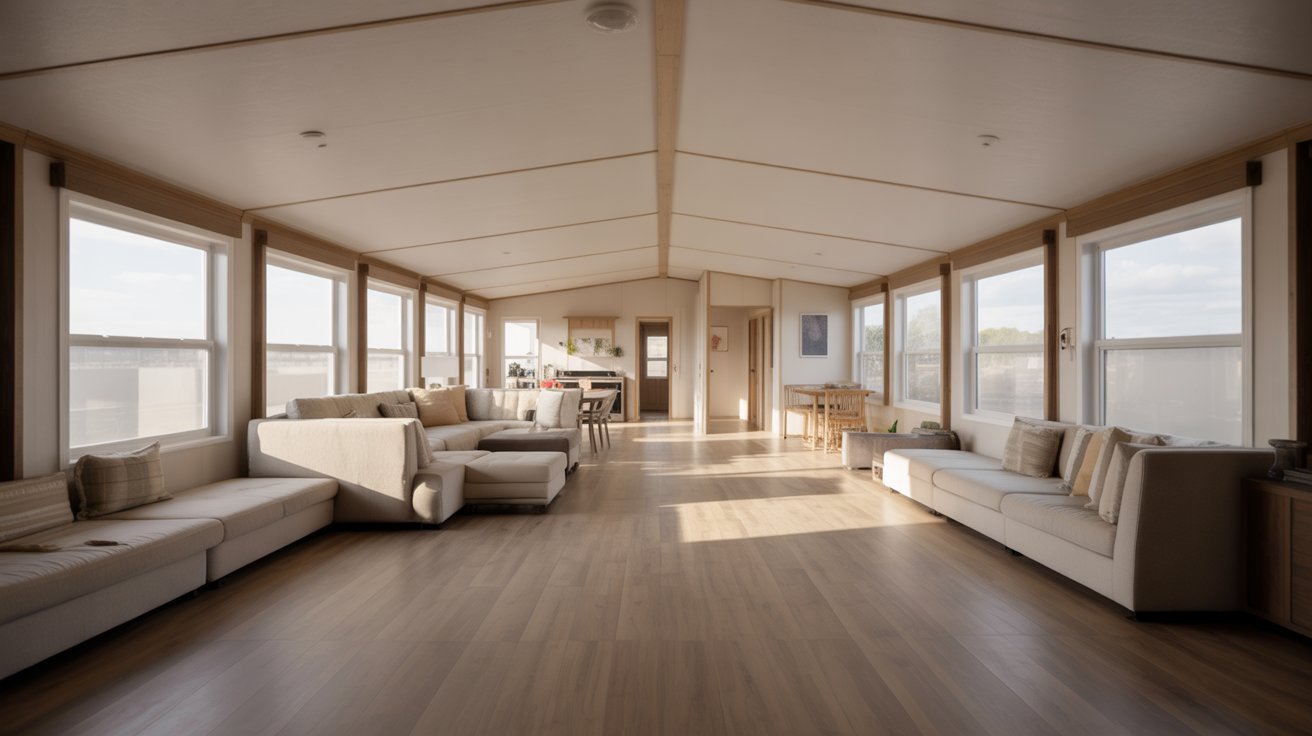
Triple wide homes typically measure between 42 to 50 feet wide and 60 to 76 feet long. Buyers often overlook just how spacious these homes feel until they walk through one in person—the wide hallways and open rooms create a completely different experience than smaller manufactured homes.
Here’s what you can expect inside:
|
Feature |
Typical Range |
|
Width |
42–50 feet |
|
Length |
60–76 feet |
|
Total Living Area |
2,400–3,600 sq ft |
|
Bedrooms |
3–5 |
|
Bathrooms |
2–3 full baths |
|
Ceiling Height |
8–9 feet (some models higher) |
|
Hallway Width |
Wide enough for furniture moving |
The extra width makes these homes feel open and airy, just like houses built on-site. You won’t get that cramped, narrow feeling some people associate with mobile homes.
Space Planning Tip: Ask the dealer about ceiling height options. Nine-foot ceilings add minimal cost but make rooms feel significantly more spacious and luxurious.
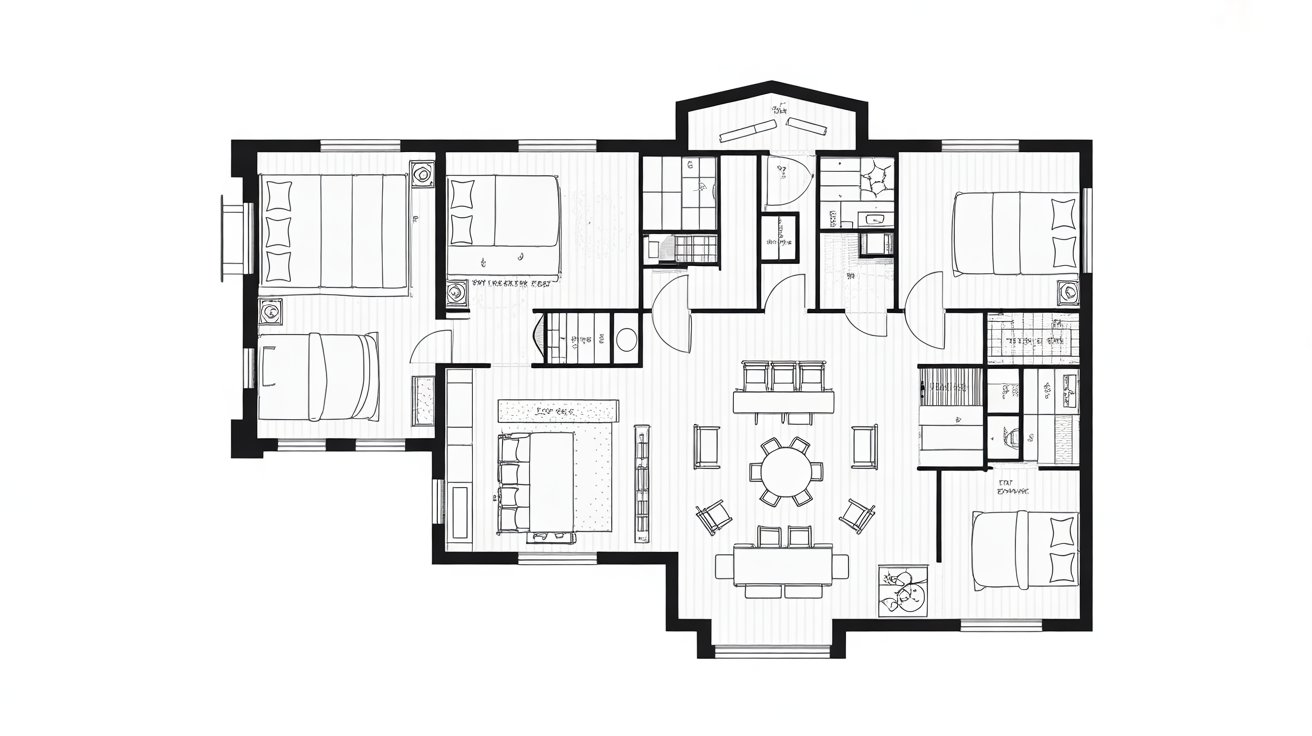
Many families love layouts where the living room, dining area, and kitchen flow together without walls blocking the view. This design makes entertaining guests easy and lets parents keep an eye on kids while cooking dinner. Dealers commonly recommend seeing at least two models in person before deciding—the floor plan that looks perfect on paper might feel different when you walk through it.
Family Tip: If you have young children, open floor plans let you supervise from anywhere in the main living area. For teens who want privacy, consider split bedroom designs instead.
Privacy matters, especially in busy households. These floor plans place the master bedroom on one side of the home and the other bedrooms on the opposite end. Everyone gets their own quiet space for sleeping and relaxing.
Need a home office? Want a playroom for the kids? Many triple wide mobile home floor plans include an extra room you can use however you like. This flexibility works great for people who work from home or need dedicated hobby spaces.
Work-From-Home Tip: Choose a bonus room with a door and window. Natural light and privacy make video calls more professional, and the closed door keeps work separate from family time.
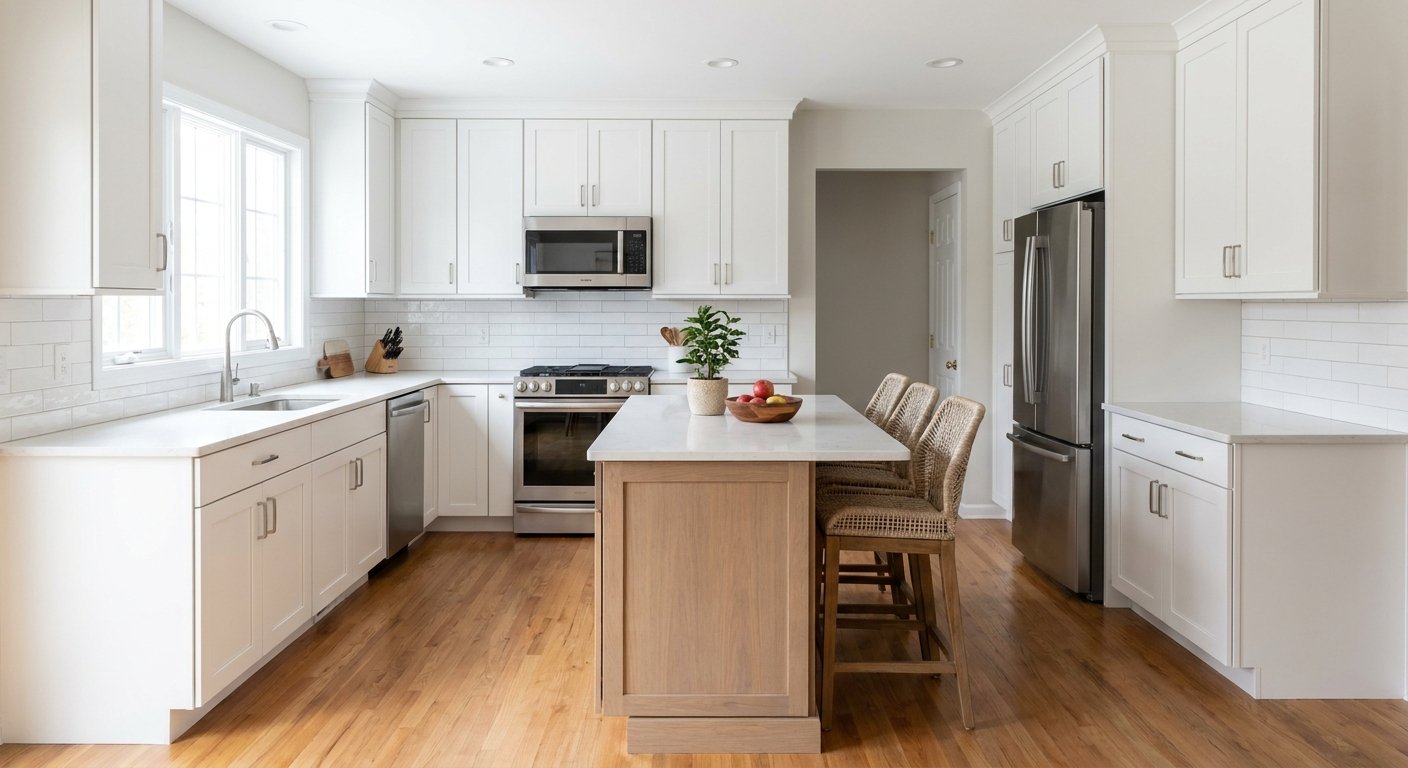
Some designs place the kitchen at the heart of the home, making it the natural gathering spot for family and friends. These layouts often include large islands, plenty of counter space, and dining areas nearby.
Triple wide homes offer many customization choices:
Inside Your Home:
Outside Your Home:
Energy Savers:
Comfort Features:
Budget Tip: Choose energy-efficient windows and extra insulation—it saves hundreds per year on heating and cooling bills. The upfront cost typically pays for itself within 3-5 years.
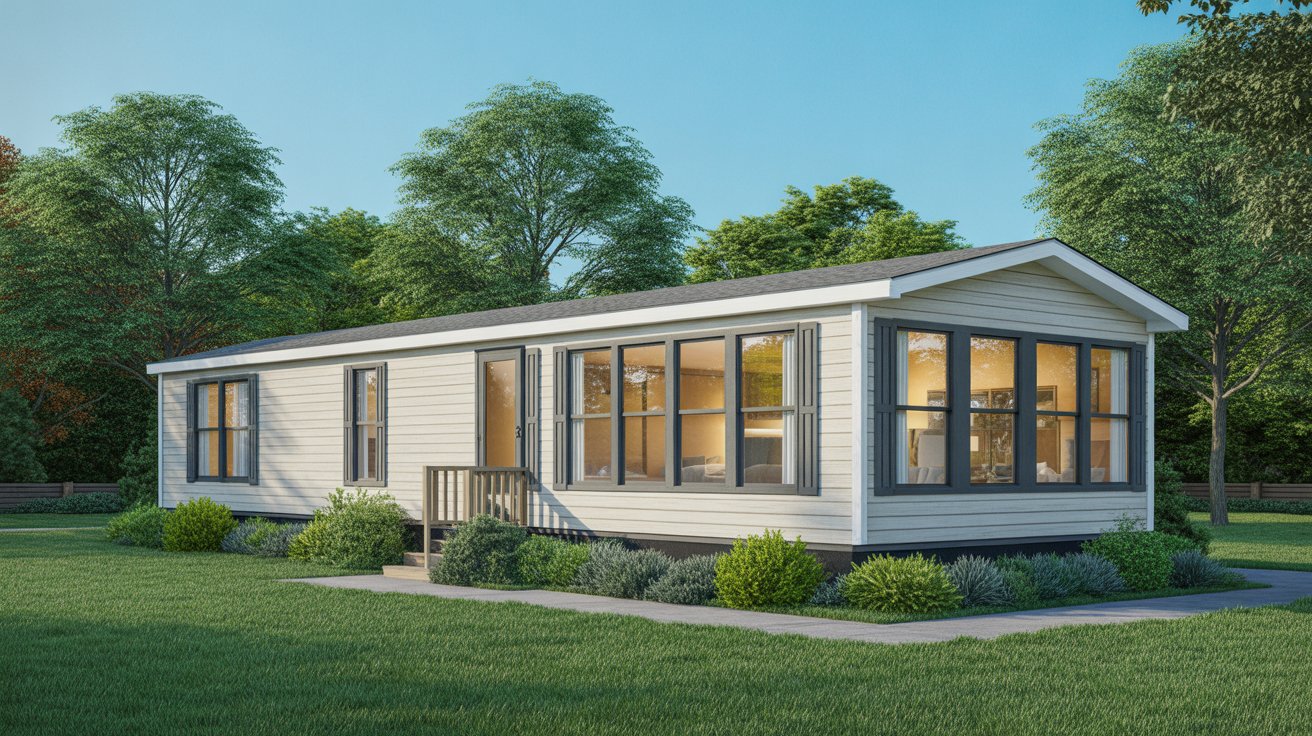
Understanding the cost of a triple wide manufactured home requires looking beyond just the base price. Let’s break down the real expenses you’ll face:
|
Cost Category |
Estimated Price Range |
|
Base Home Price |
$150,000 – $400,000+ |
|
Delivery & Transport |
$5,000 – $15,000 |
|
Foundation Work |
$10,000 – $30,000 |
|
Utility Connections |
$3,000 – $10,000 |
|
Setup & Installation |
$8,000 – $20,000 |
|
Annual Insurance |
$800 – $1,500 per year |
|
Yearly Maintenance |
$1,000 – $2,000 |
Entry-level triple wide homes begin around $150,000 to $200,000. These include basic features and standard finishes.
Premium models with upgrades and luxury features can range from $250,000 to $400,000 or more.
Your base price typically includes the home structure, appliances, and basic finishes.
Pricing Tip: Always ask “what’s included?” Some builders include appliances and window treatments in the base price, while others charge extra. Getting itemized quotes from multiple dealers helps you compare apples to apples.
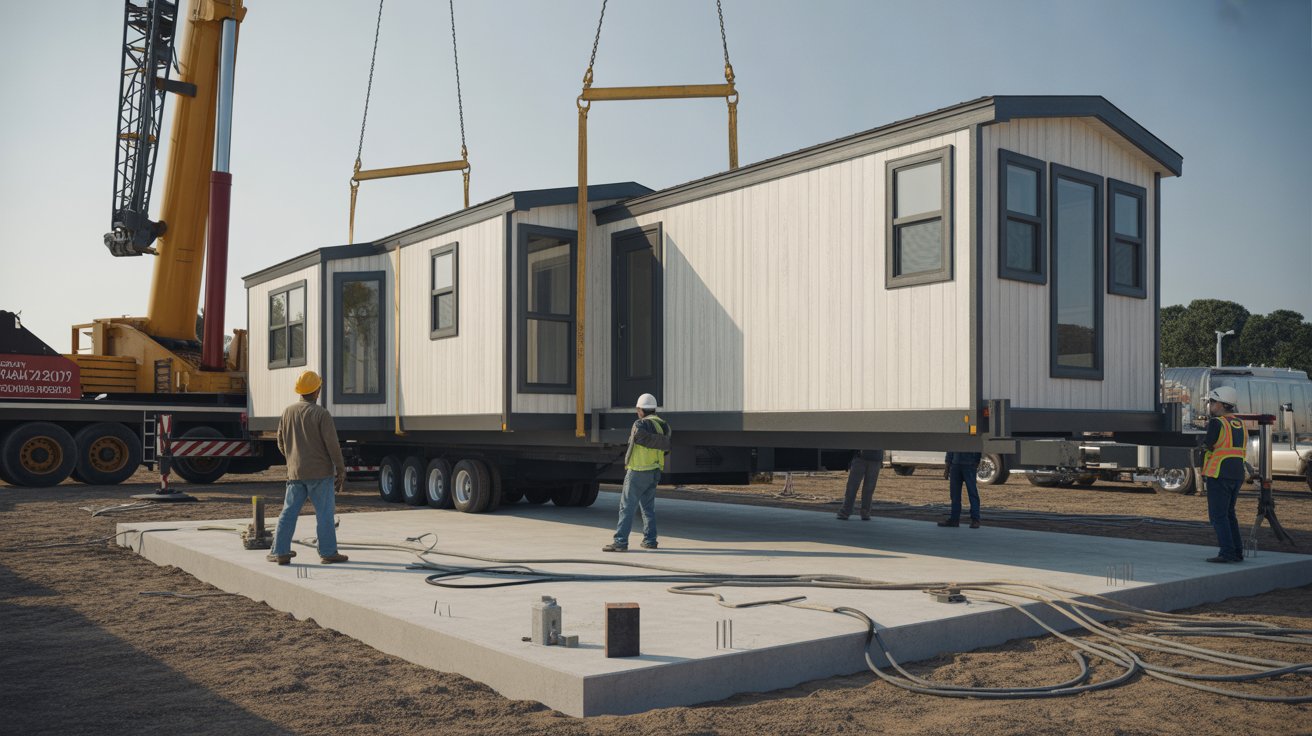
Beyond the home price, budget for:
Hidden Cost Alert: Transportation costs vary significantly based on distance and route difficulty. Homes traveling over 100 miles or through mountainous areas cost more. Always get delivery quotes in writing before signing contracts.
Planning Tip: Set aside money each month for future repairs and replacements, just like any homeowner should. A good rule is saving 1% of your home’s value annually for maintenance.
Triple wide home prices might seem high upfront, but the cost per square foot is significantly lower than traditional construction.
When choosing a builder, consider what matters most to you:
Budget-Friendly Options: Some manufacturers focus on keeping prices low while maintaining quality standards. These builders offer fewer customization options but deliver solid, dependable homes.
Premium Construction: Other companies specialize in high-end finishes, superior materials, and extensive warranties. You’ll pay more upfront but get luxury features and durability.
Customization Experts: Certain builders let you modify almost everything about your home. If you have specific needs or unique ideas, these manufacturers work with you to create your dream layout.
Energy-Conscious Builders: Some companies make energy efficiency their priority, using advanced insulation, efficient appliances, and sustainable materials to reduce your utility costs.
Research Tip: Check online reviews and visit the Better Business Bureau website before choosing a builder. Look for patterns in complaints—one bad review happens, but repeated issues with delivery or quality should raise red flags.
Here’s how these options compare:
|
Feature |
Triple Wide |
Double Wide |
|
Living Space |
2,400+ sq ft |
1,200–2,000 sq ft |
|
Initial Cost |
Higher |
Lower |
|
Cost per Sq Ft |
Lower |
Slightly higher |
|
Lot Size Needed |
Larger (½ acre+) |
Smaller |
|
Long-Term Flexibility |
Excellent |
Moderate |
|
Resale Market |
Appeals to space seekers |
Larger buyer pool |
|
Best For |
Large families, home offices |
Smaller households, tighter budgets |
Living Space:
Budget:
Land Needs:
Future Flexibility:
Resale Potential:
Decision Tip: Think five years ahead. Will your family grow? Do you plan to work from home? Will aging parents move in? A triple wide offers flexibility for life changes, while a double wide keeps initial costs lower.
Plenty of Room: Triple wides give you space for everyone to spread out. No more fighting over bathrooms or feeling cramped.
Better Value: You get more square footage for your money compared to building a traditional home from scratch.
Quick Move-In: Factory construction means you can move into your new home in months, not years.
Personalization: Choose layouts, colors, and features that match your lifestyle.
Land Requirements: You need a suitable lot large enough to accommodate the home’s footprint—buyers often overlook zoning rules until late in the process, which can delay everything.
Zoning Tip: Call your local planning department BEFORE buying any home. Ask specifically: “Are manufactured homes allowed on this property?” and “What are the setback requirements?” This five-minute call can save months of headaches.
Delivery Complexity: Moving three sections requires planning, permits, and sometimes road work.
Location Limits: Some neighborhoods and towns restrict manufactured homes through zoning rules.
Financing Differences: Loan options may differ from traditional mortgages, depending on your situation.
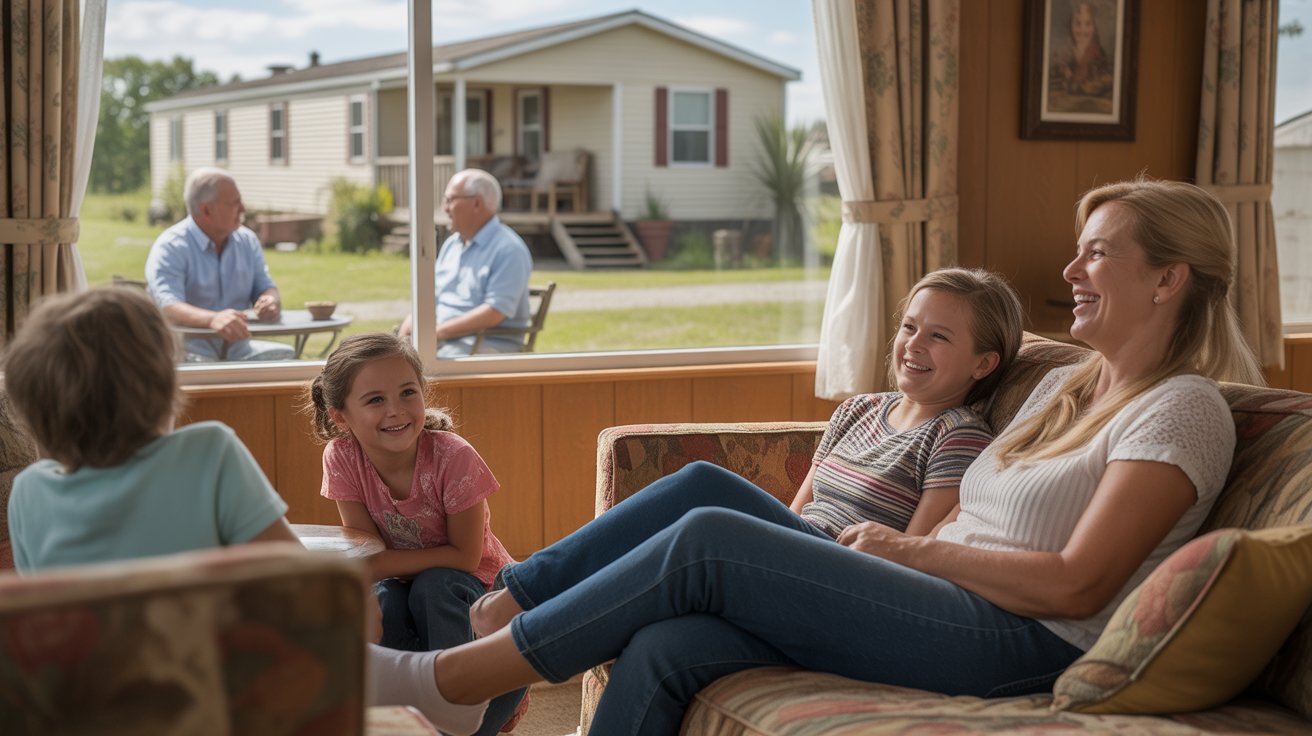
Triple wide mobile homes work best for:
Growing Families: When you need bedrooms for kids, office space, and room for everyone’s stuff.
Retirees Downsizing: Selling a large traditional home but still wanting comfortable space and one-floor living.
Rural Landowners: People who already own land and want an affordable home without construction hassles.
Budget-Conscious Buyers: Anyone wanting maximum space for minimum cost.
These homes can appreciate in value when placed on owned land with permanent foundations. While they may not increase in value as quickly as some site-built homes, they offer excellent long-term livability and comfort.
Investment Tip: Homes on permanent foundations with owned land typically appreciate better than those on leased lots. If building equity matters to you, buy your land first.
Before falling in love with a floor plan, verify:
You can buy through local dealers who offer display models and guidance, or work directly with manufacturers for potentially lower prices. Dealers provide local support; direct buying requires more research on your part.
Dealer Tip: Local dealers handle warranty issues and often have relationships with setup crews and contractors. This local support can be invaluable when problems arise after installation.
Contract Tip: Get everything in writing. Verbal promises don’t hold up if disputes arise. Your contract should specify exact models, upgrades, delivery dates, and who’s responsible for what.
Talk to lenders experienced with manufactured homes. You might qualify for:
Financing Tip: Shop around with at least three lenders. Interest rates and terms vary significantly for manufactured homes. A half-percent difference saves thousands over the loan term.
Triple wide mobile homes give you the square footage, comfort, and features your family needs without stretching your budget to the breaking point. These well-built homes combine factory precision with endless personalization possibilities.
Whether you’re starting fresh, upgrading from a smaller home, or looking for an affordable way to build on your land, triple wides deserve serious consideration.
Ready to explore your options? Start by:
Action Tip: Create a comparison spreadsheet with columns for builder, model, price, included features, and delivery timeline. This makes it easier to evaluate options side-by-side when you’re visiting multiple dealers.
Your spacious, comfortable new home is closer than you think.
With proper maintenance, these homes easily last 30 to 50 years or more. Regular upkeep of the roof, siding, and systems keeps them in great shape.
Yes, many owners add porches, decks, garages, or even room additions. Work with experienced contractors familiar with manufactured home construction.
When placed on owned land with a permanent foundation, triple wides maintain value similarly to other homes in the area. Location and maintenance matter most.
Both are factory-built, but they follow different building codes. Manufactured homes follow HUD standards; modular homes follow local building codes.
Yes, especially when the home sits on land you own with a permanent foundation. Many lenders offer traditional mortgages for this setup.
Olivia Bennett has over 12 years of experience helping homeowners transform their spaces with practical, thoughtful solutions. She guides projects of all scales, blending creativity with efficiency and attention to detail to achieve lasting results. Olivia holds a degree in Interior Architecture from the University of Michigan and draws inspiration from global design trends and architecture, ensuring every space is both functional and beautifully considered.


No Comments