

12 Modern Christmas Decor Ideas Garland for Every Room
There's something magical about walking into a home decorated with


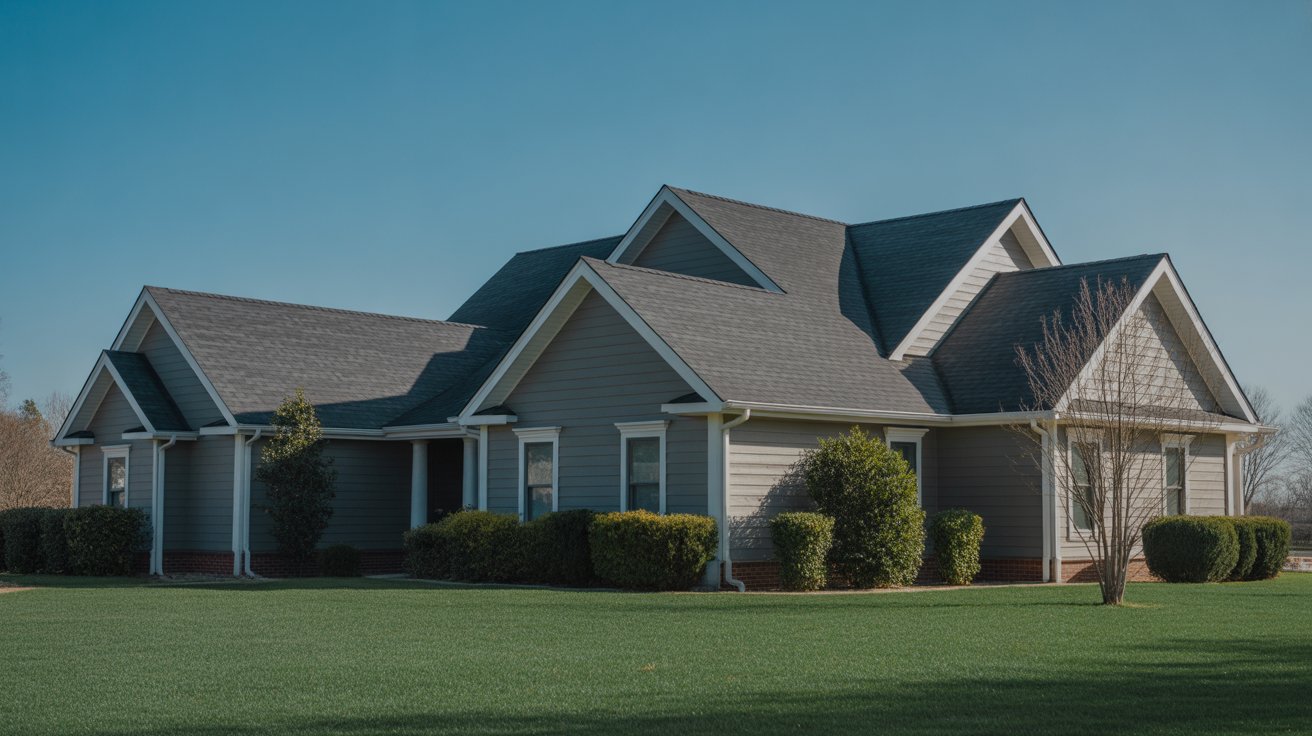
If you’re planning to replace your roof or build a new home, you’ve probably heard about asphalt shingles. They’re the top choice for American homeowners, covering about 80% of houses across the country. Why? They’re affordable, look great, and last a long time.
This guide walks you through everything about asphalt shingles. We’ll cover types, costs, brands, and how to pick the right one for your home. Let’s get started.
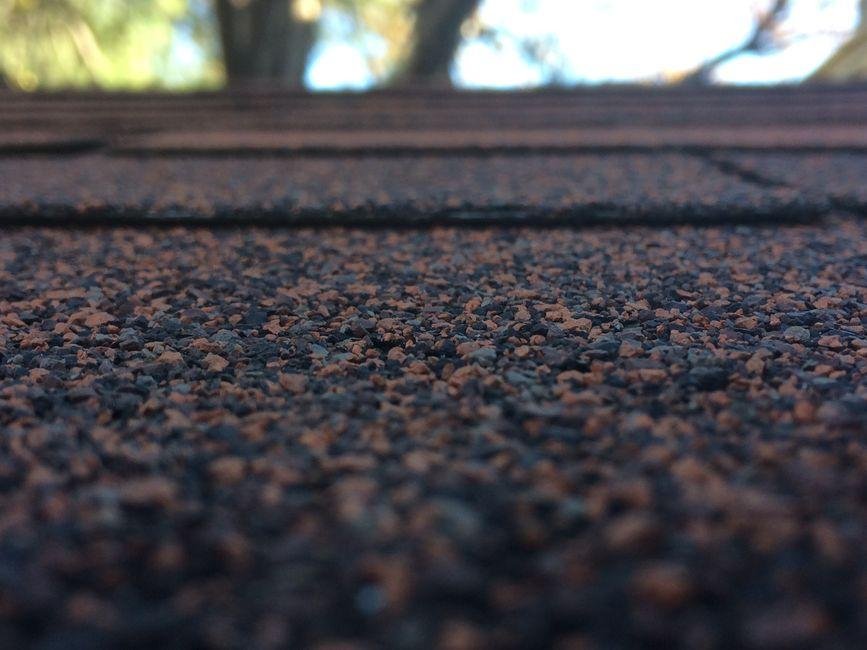
Asphalt shingles are roofing materials made from a fiberglass or organic base, coated with asphalt, and topped with ceramic granules. These granules give shingles their color and protect them from sun damage.
Asphalt shingles have been around since the early 1900s. Back then, they were simple and plain. Today, they come in dozens of colors and styles that can make your home look amazing.
Asphalt shingles give you the best bang for your buck. That’s why they’re so popular.
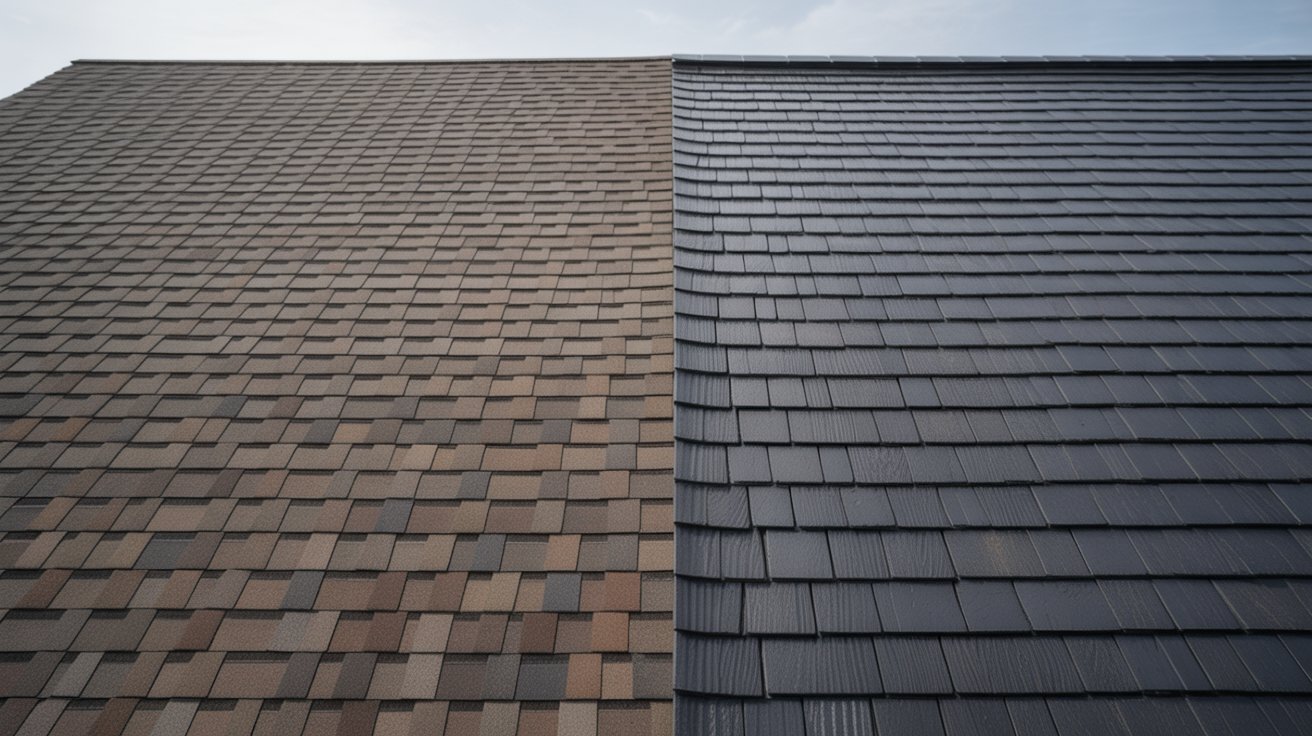
Not all asphalt shingles are the same. The two main types are 3-tab and architectural shingles.
These are the basic option. They’re flat and have a uniform look with three tabs per shingle.
Good Points:
Not-So-Good Points:
These are thicker and have a layered, textured look. They’re the upgraded choice.
Good Points:
Not-So-Good Points:
|
Feature |
3-Tab Shingles |
Architectural Shingles |
|
Cost per square |
$90-$120 |
$120-$200 |
|
Lifespan |
15-20 years |
25-30+ years |
|
Wind rating |
60-70 mph |
110-130 mph |
|
Warranty |
20-25 years |
30-50 years (some lifetime) |
|
Look |
Flat, basic |
Textured, premium |
|
Best for |
Budget projects, sheds |
Main homes, curb appeal |
Choosing a good brand matters. Here are the best ones homeowners trust in 2026.
|
Brand |
Best For |
Price Range (per square) |
Top Product |
Warranty |
|
GAF |
Overall quality |
$120-$180 |
Timberline HDZ |
Lifetime limited |
|
CertainTeed |
Design variety |
$125-$185 |
Landmark |
Lifetime limited |
|
Owens Corning |
Wind protection |
$110-$160 |
Duration |
Lifetime limited |
|
IKO |
Budget buyers |
$95-$135 |
Cambridge |
25-year limited |
|
Malarkey |
Eco-conscious |
$115-$165 |
Vista |
Limited lifetime |
Let’s talk money. How much will your new roof actually cost?
Shingles are sold by the “square” (100 square feet).
Labor usually costs $3-$6 per square foot, depending on:
For a typical 1,500 square foot roof (15 squares):
|
Shingle Type |
Material Cost |
Labor Cost |
Total Cost Range |
|
3-Tab |
$1,350-$1,800 |
$4,500-$9,000 |
$5,850-$10,800 |
|
Architectural |
$1,800-$3,000 |
$4,500-$9,000 |
$6,300-$12,000 |
|
Premium |
$3,750-$6,000 |
$4,500-$9,000 |
$8,250-$15,000 |
Location Matters: Cities with higher living costs charge more for labor. A roof in California might cost 30-40% more than the same roof in Alabama.
Roof Complexity: Simple rectangular roofs cost less. Roofs with multiple valleys, chimneys, skylights, and steep slopes require more time and skill, raising costs.
Old Roof Removal: Removing old shingles adds $1-$3 per square foot. But it’s worth it for better results.
Additional Materials: Don’t forget about underlayment, starter strips, ridge caps, and flashing. These add $500-$1,500 to your total.
Don’t just look at upfront costs. Consider:
|
Factor |
3-Tab Impact |
Architectural Impact |
|
Replacement timing |
Replace at 15-20 years |
Replace at 25-30 years |
|
Repair frequency |
More frequent repairs |
Fewer repairs needed |
|
Energy costs |
Standard |
Cool roof options save 10-15% |
|
Resale value |
Adds $8,000-$12,000 |
Adds $12,000-$18,000 |
|
Insurance discounts |
Standard rates |
May qualify for discounts |
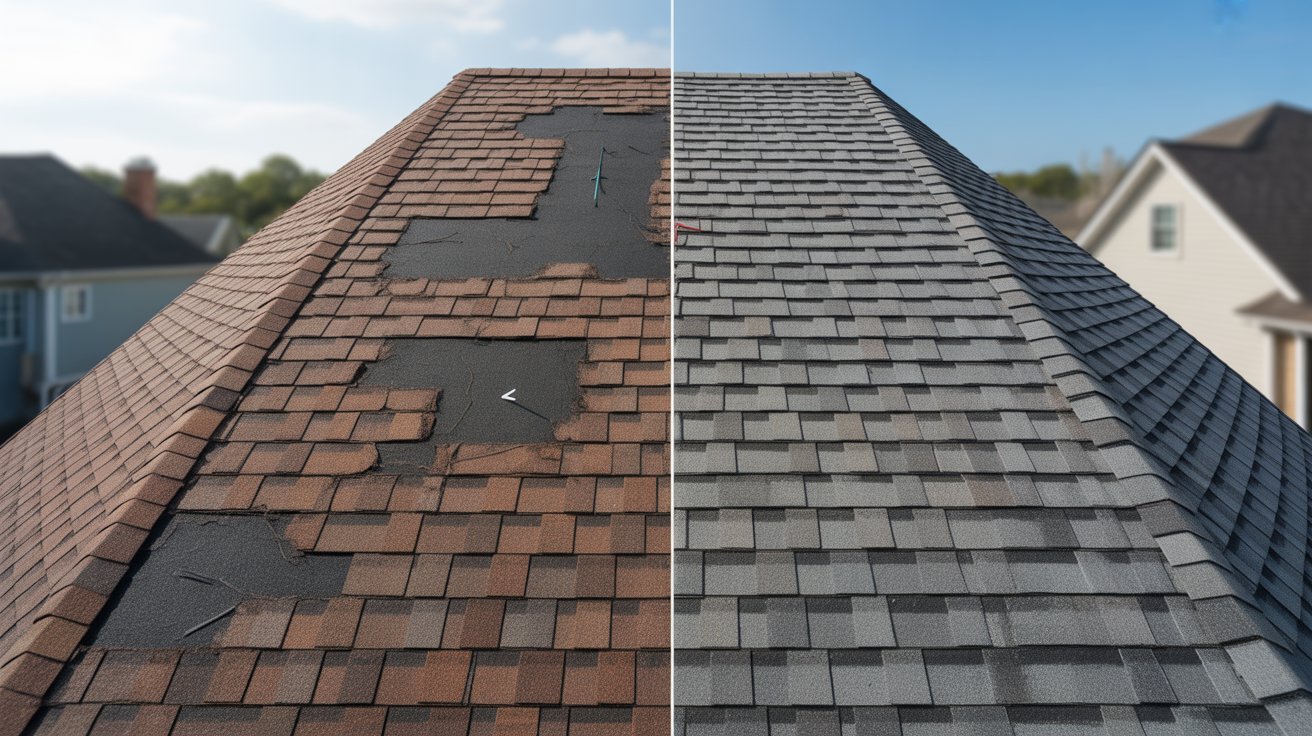
This is a big question for homeowners.
Weather and Climate
Installation Quality
Maintenance
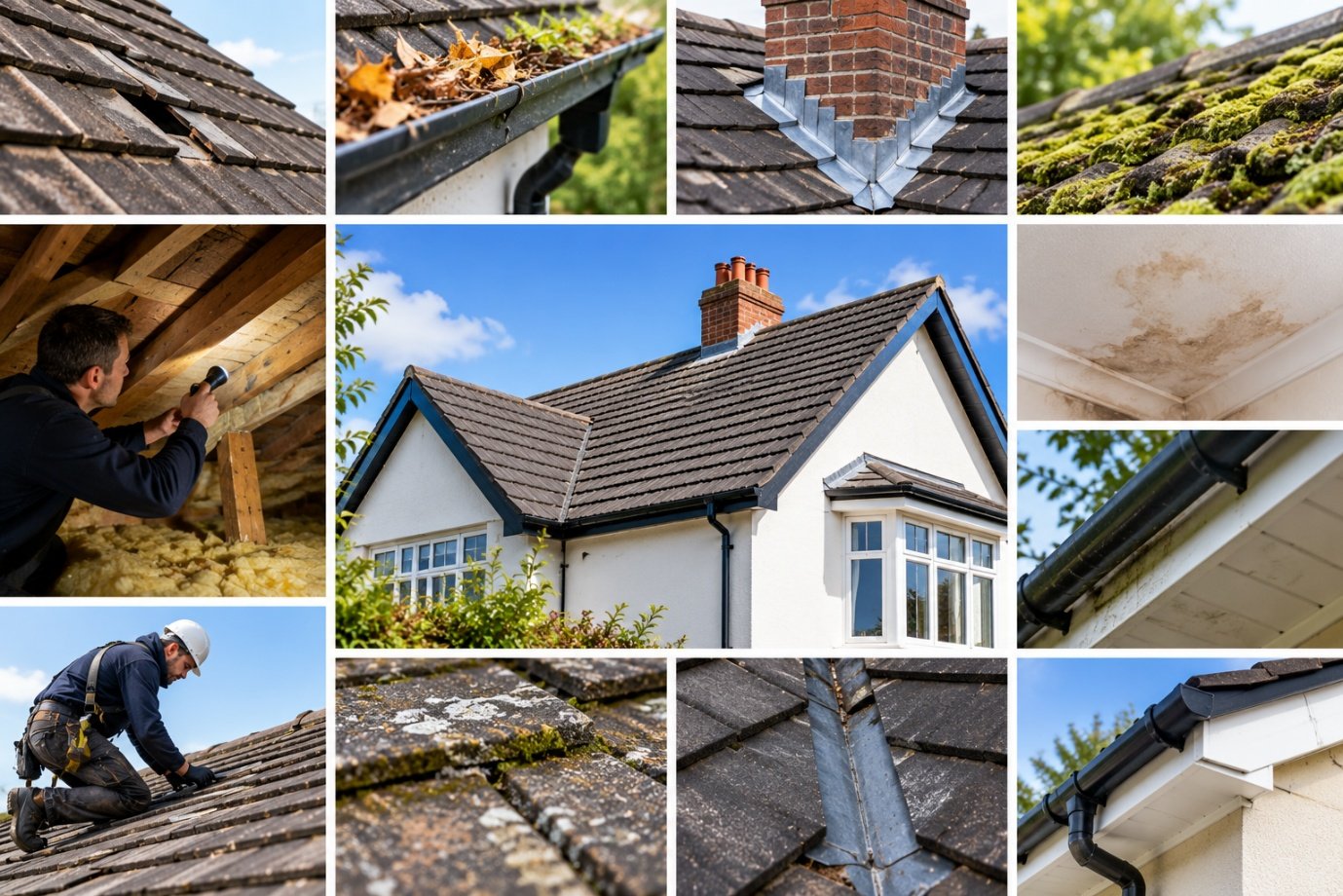
Watch for these warning signs:
|
Warning Sign |
What It Means |
Urgency Level |
|
Shingles curling or buckling |
Age-related wear |
High |
|
Granules in gutters |
Protective layer wearing off |
Medium |
|
Missing shingles |
Wind or storm damage |
High |
|
Dark streaks or algae |
Moisture retention |
Low to Medium |
|
Daylight through roof boards |
Serious structural issue |
Emergency |
|
Ceiling stains or leaks |
Water penetration |
High |
|
Roof age over 20 years |
End of expected lifespan |
Medium |
Roofing has some confusing terms. Here’s what they mean in plain English.
This tells you how fast winds your shingles can handle:
If you live in hurricane or tornado areas, get Class G or H shingles.
This shows how well shingles resist fire:
Always choose Class A for safety and insurance benefits.
The UL 2218 rating shows hail resistance:
|
Class |
Hail Size It Handles |
Best For |
Insurance Discount? |
|
Class 1 |
1.25-inch |
Low-risk areas |
No |
|
Class 2 |
1.5-inch |
Moderate risk |
Sometimes |
|
Class 3 |
1.75-inch |
Higher risk |
Often |
|
Class 4 |
2-inch |
Hail-prone areas |
Yes (up to 30%) |
Class 4 shingles often get insurance discounts in hail-prone areas.
Some shingles have copper granules that prevent black streaks from algae. Look for “algae resistant” or “AR” labels if you live in humid areas.
|
Term |
What It Means |
Why It Matters |
|
Square |
100 sq ft of roofing |
How materials are sold |
|
Starter strip |
First row of shingles |
Prevents wind lift-off |
|
Ridge cap |
Shingles at roof peak |
Seals the top edge |
|
Flashing |
Metal around chimneys/vents |
Prevents leaks |
|
Underlayment |
Waterproof layer under shingles |
Extra protection |
|
Granules |
Ceramic coating on shingles |
UV and weather protection |
|
Pitch |
Roof slope steepness |
Affects installation difficulty |
|
Valley |
Where two roof planes meet |
High water flow area |
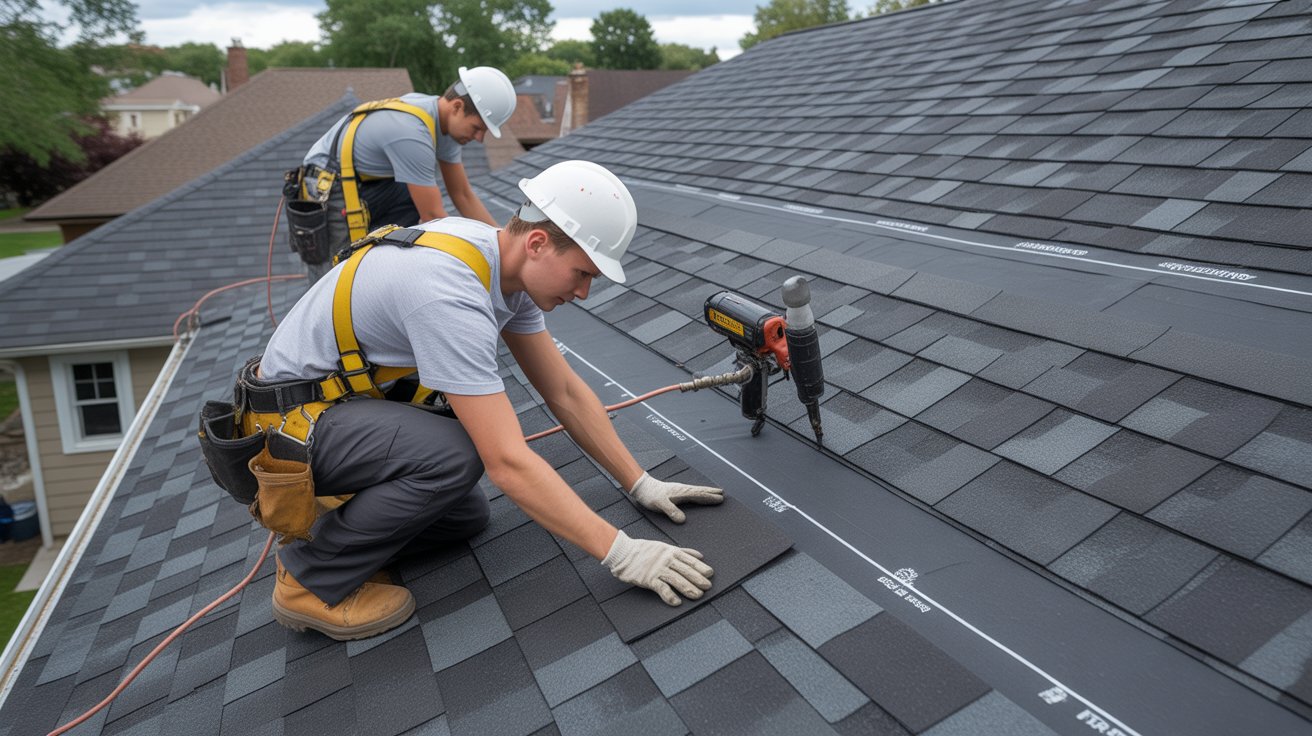
Getting your shingles installed right is just as important as choosing good ones.
|
Factor |
DIY Installation |
Professional Installation |
|
Cost |
Save $3-$6/sq ft |
$3-$6/sq ft labor |
|
Time |
2-4 weeks (weekends) |
1-3 days |
|
Safety |
High fall risk |
Insured and trained |
|
Quality |
Depends on skill |
Guaranteed workmanship |
|
Warranty |
May void manufacturer warranty |
Full warranty coverage |
|
Permits |
You handle paperwork |
Contractor handles it |
|
Best for |
Small sheds, experienced DIYers |
Main house roofs |
Our advice: Unless you’re an experienced roofer, hire a professional. The savings aren’t worth the risks.
Even pros sometimes make these errors:
Make sure your contractor avoids these problems.
Seasonal Roof Care Schedule
|
Season |
Tasks |
Why It Matters |
|
Spring |
Check winter damage, clean gutters, inspect flashing |
Catch ice and snow damage early |
|
Summer |
Look for heat curling, check ventilation, trim trees |
Prevent heat damage |
|
Fall |
Remove leaves, check loose shingles, clean gutters |
Prepare for winter |
|
Winter |
Watch for ice dams, remove heavy snow, check for leaks |
Prevent winter damage |
For anything bigger, call a professional.
Let’s be honest about the good and bad.
Budget-Friendly: Cheapest roofing option for most homes. You get good quality without breaking the bank.
Easy Installation: Every roofer knows how to install them. Faster installation means lower labor costs.
Tons of Styles: Hundreds of colors available. Can mimic expensive materials like slate or wood.
Good Durability: Handle most weather conditions well. Protect homes for decades with proper care.
Easy Repairs: Damaged shingles are simple to replace. Materials widely available everywhere.
Better Resale Value: New roof adds value to your home. Buyers like knowing the roof is new and worry-free.
Shorter Life Than Some Materials: Don’t last as long as metal or tile. May need replacement sooner than alternatives.
Weather Vulnerable: Extreme heat can damage them. Very large hail can crack them. High winds can blow them off.
Not Eco-Friendly: Made from petroleum products. Hard to recycle. Most end up in landfills.
Color Fading: Granules wash away over time. Dark colors fade faster in strong sun.
|
Material |
Cost (per sq ft installed) |
Lifespan |
Energy Efficiency |
Maintenance |
Best Climate |
|
Asphalt Shingles |
$3-$7 |
20-30 yrs |
Good with cool colors |
Low |
All climates |
|
Metal Roofing |
$7-$14 |
40-70 yrs |
Excellent |
Very low |
All climates |
|
Clay/Concrete Tile |
$10-$18 |
50-100 yrs |
Excellent |
Low |
Hot, dry |
|
Wood Shakes |
$6-$12 |
25-30 yrs |
Good |
High |
Cool, dry |
|
Slate |
$15-$30 |
75-100+ yrs |
Excellent |
Very low |
All climates |
For most homeowners, asphalt shingles offer the best balance of cost, looks, and durability.
You now know the important stuff about asphalt shingles. Let’s wrap up with buying tips.
Step 1: Set Your Budget
Know what you can spend. Remember that spending more upfront often saves money long-term. Architectural shingles cost 20-30% more but last 50% longer than 3-tab shingles.
Step 2: Consider Your Climate
Match shingles to your weather:
Step 3: Pick Your Style
Match your home’s look and neighborhood. Architectural shingles add curb appeal and home value. Drive around your neighborhood to see what others have. Some HOAs have restrictions on colors.
Step 4: Check Warranties
Compare manufacturer warranties (materials) and workmanship warranties (installation). Longer is usually better, but read the fine print. Many warranties are prorated and don’t cover labor.
Step 5: Get Multiple Quotes
Talk to at least three licensed contractors. Compare:
Watch out for these warning signs when hiring:
Before signing any contract, ask:
Choose based on:
Don’t automatically pick the cheapest option. Mid-range quotes often offer the best value. A good roof protects your biggest investment – your home.
A new asphalt shingle roof is a big investment that protects your home and family. Take your time, ask questions, and choose quality materials and installers.
Your roof will keep you dry and comfortable for decades to come. Make the choice that fits your budget, climate, and style preferences.
Need help finding a local roofing contractor? Check reviews on Google, Angie’s List, or HomeAdvisor. Ask neighbors for recommendations. Always verify licenses and insurance before hiring anyone.
Remember, your roof is one of the most important parts of your home. A quality installation with good materials will give you peace of mind for 25-30 years. Don’t rush the decision.
Good luck with your new roof!
For an average 1,500 sq ft roof, expect to pay $5,850-$10,800 for 3-tab shingles or $6,300-$12,000 for architectural shingles. Prices vary by location and roof complexity. Get at least three quotes from licensed contractors.
Architectural shingles last much longer. They typically last 25-30 years, while 3-tab shingles last 15-20 years. The extra cost pays for itself over time with fewer replacements.
It depends on the rating. Class 4 impact-resistant shingles handle hail up to 2 inches. Regular shingles can crack from large hail. In hail-prone areas like Texas or Oklahoma, upgrade to impact-resistant shingles. You’ll often get insurance discounts too.
Yes! Hundreds of colors are available, from whites and grays to browns, reds, greens, and blues. You can match almost any home style. Popular colors include charcoal gray, weathered wood, brown, black, and lighter shades for hot climates.
Consider five things: your budget, local climate conditions (wind, hail, heat), warranty length and coverage, contractor recommendations, and brand availability in your area. Stick with well-known brands like GAF, CertainTeed, or Owens Corning for reliability.
Olivia Bennett has over 12 years of experience helping homeowners transform their spaces with practical, thoughtful solutions. She guides projects of all scales, blending creativity with efficiency and attention to detail to achieve lasting results. Olivia holds a degree in Interior Architecture from the University of Michigan and draws inspiration from global design trends and architecture, ensuring every space is both functional and beautifully considered.

No Comments