


12 Modern Christmas Decor Ideas Garland for Every Room
There's something magical about walking into a home decorated with


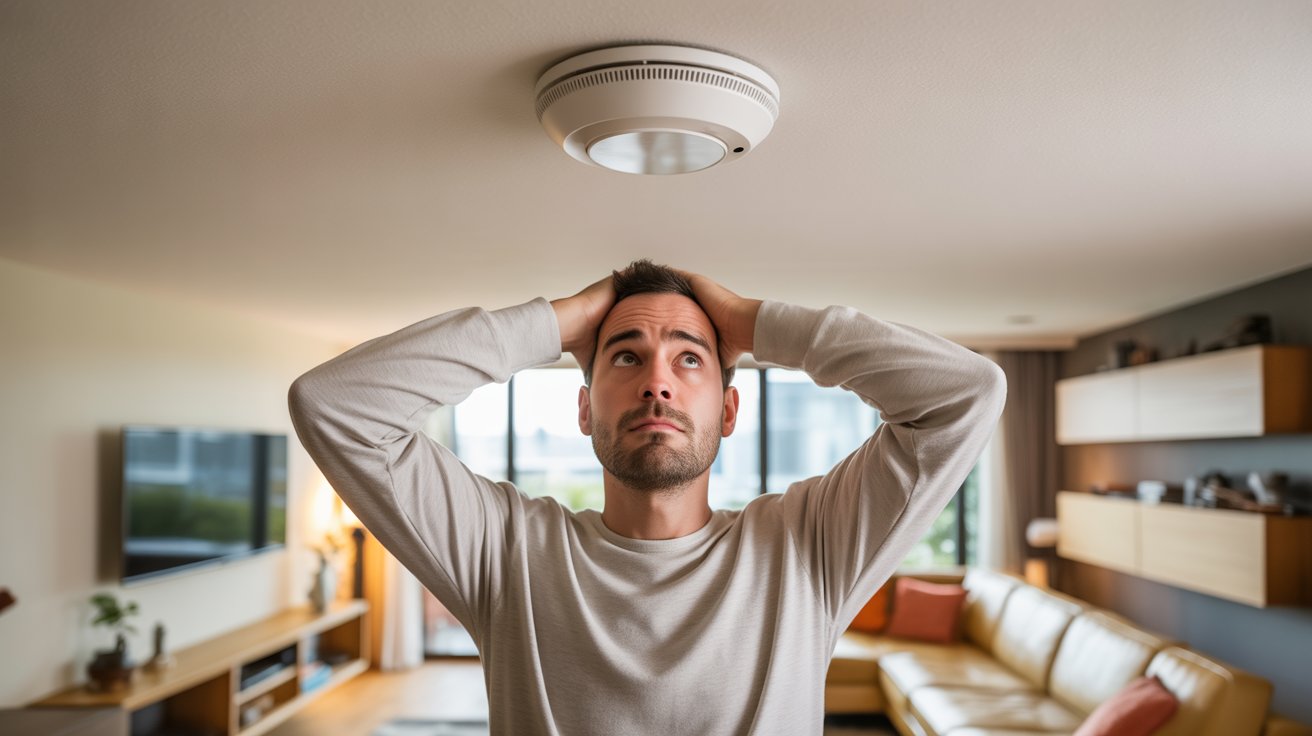
You’re trying to sleep, watch TV, or just relax at home when suddenly—beep. Then another beep. And another. Your smoke alarm won’t stop making that annoying chirping sound, and you have no idea why.
Don’t worry. You’re not alone, and the good news is that this problem is almost always easy to fix. In this guide, we’ll walk you through why your smoke alarm keeps beeping and exactly what you can do to stop it. Let’s get your peace and quiet back!
Before you can fix the beeping, you need to know what’s causing it. Here are the most common reasons:
This is the number one reason smoke alarms beep. When the battery gets weak, the alarm chirps to let you know it’s time for a replacement. You’ll usually hear a single beep every 30 to 60 seconds.
Smoke alarms have sensors that can get dirty over time. Dust, cobwebs, or even tiny bugs can trigger false beeps. If your alarm hasn’t been cleaned in a while, this might be your problem.
If you have a hardwired smoke alarm (one connected to your home’s electrical system), loose wires can cause beeping. Sometimes the alarm isn’t properly connected to its mounting bracket either.
Smoke alarms don’t last forever. Most models work well for about 8 to 10 years. After that, the sensors wear out and the alarm will beep to tell you it needs to be replaced completely—not just the battery.
High humidity from showers, steam from cooking, or extreme temperatures can sometimes set off your alarm. If your alarm is near a bathroom or kitchen, this could be happening more often than it should.
Now let’s fix that beeping alarm. Try these solutions in order:
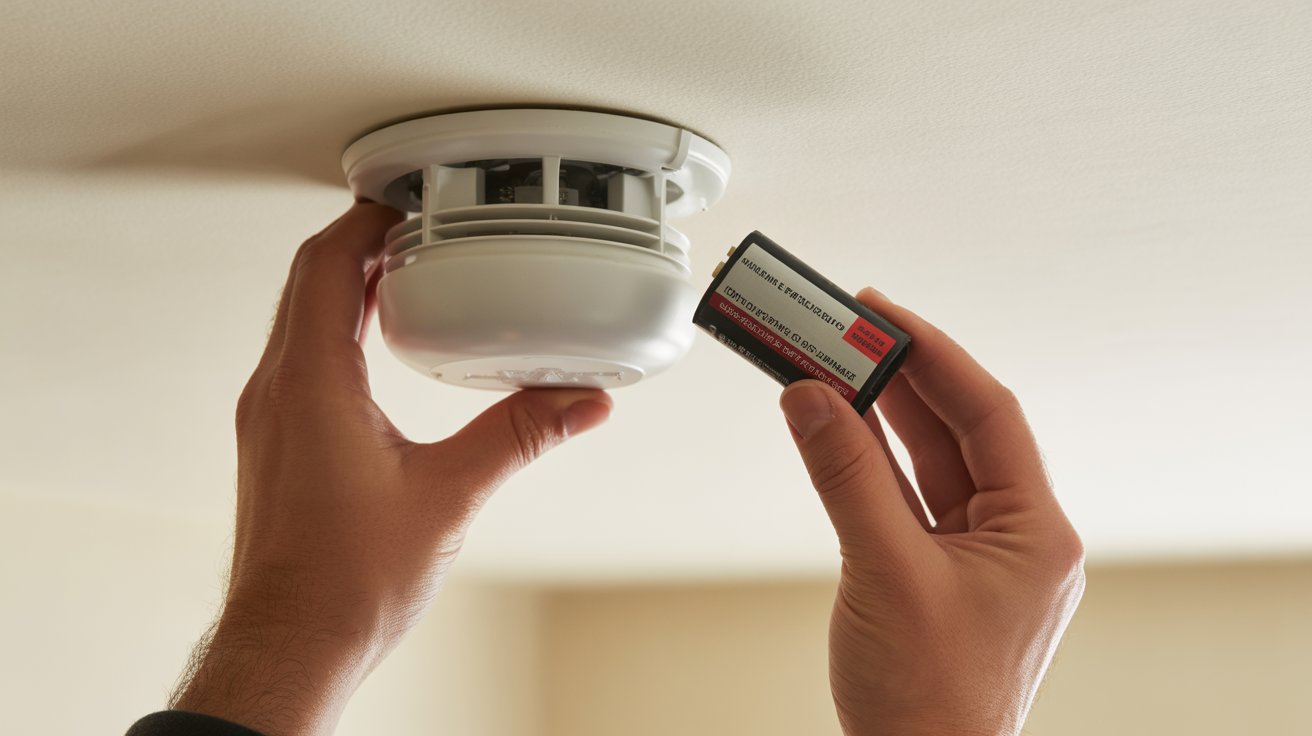
This is the easiest fix to try first.
If the beeping stops, you’re done!
A dirty alarm needs a gentle cleaning.
Sometimes alarms just need a fresh start.
Check the manufacture date on the back of your smoke alarm. If it’s more than 10 years old, it’s time to buy a new one.
Once you’ve fixed the beeping, here’s how to keep it from happening again:
Make it a habit to test your smoke alarms once a month. Just press the test button and make sure you hear a loud alarm. Replace batteries at least once a year—many people do this when daylight saving time changes.
Always check your alarm’s manual to see what battery it needs. Using the wrong type can cause problems. Some newer alarms come with built-in batteries that last 10 years.
[Image suggestion: Different types of smoke alarm batteries laid out]
Put smoke alarms on every level of your home, inside each bedroom, and outside sleeping areas. This keeps your family safe and helps the alarms work better.
Keep smoke alarms at least 10 feet away from cooking appliances to reduce false alarms. Don’t put them right next to bathrooms where steam can trigger them, and avoid spots near heating or cooling vents.
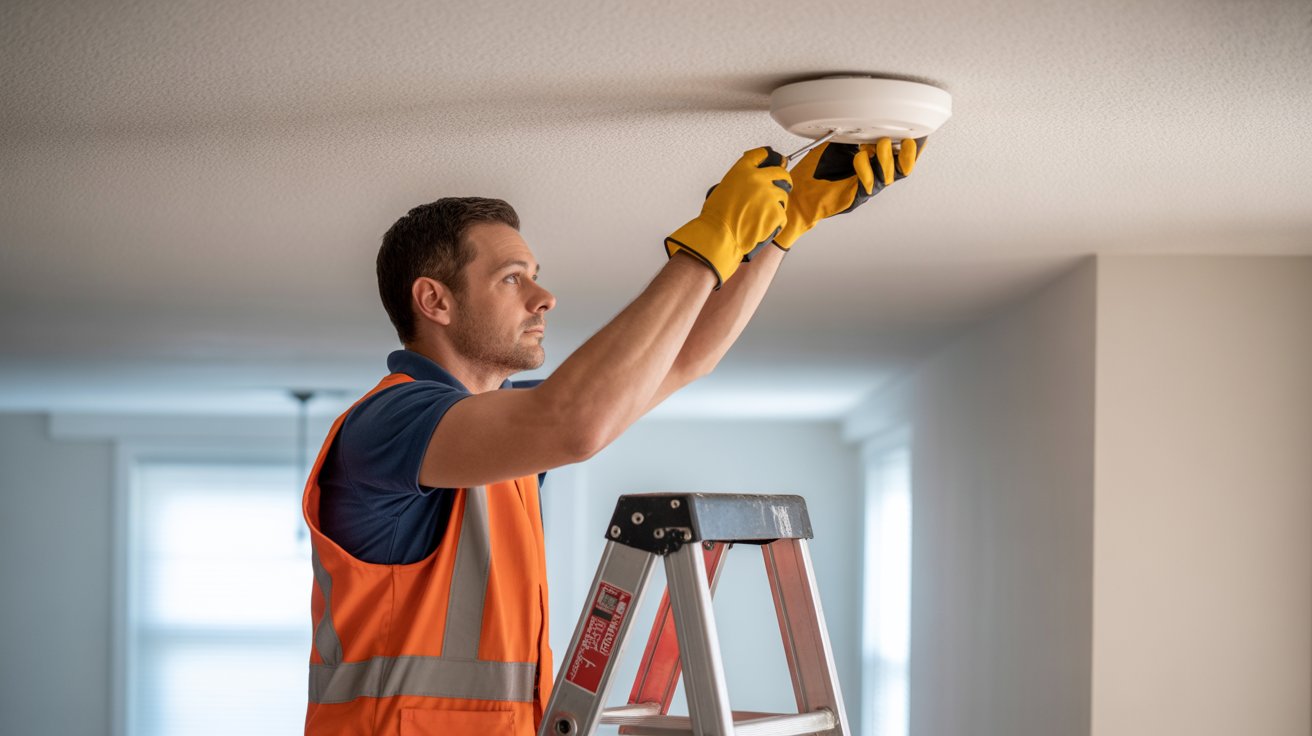
Most beeping problems are easy to fix yourself, but sometimes you need expert help. Call an electrician or fire safety professional if:
Your safety is too important to ignore a problem you can’t solve.
A beeping smoke alarm can drive you crazy, but now you know it’s usually a simple fix. Whether it’s a dying battery, a dusty sensor, or an alarm that’s reached the end of its life, you have the tools to handle it.
Remember these key points:
Taking care of your smoke alarms isn’t just about stopping the beeping—it’s about keeping your home and family safe. These devices save lives by giving you early warning in case of fire.
Check your smoke alarms today! Take a few minutes right now to test them, change any weak batteries, and mark your calendar for regular maintenance. Your future self will thank you, and you’ll sleep better knowing your home is protected.
Olivia Bennett has over 12 years of experience helping homeowners transform their spaces with practical, thoughtful solutions. She guides projects of all scales, blending creativity with efficiency and attention to detail to achieve lasting results. Olivia holds a degree in Interior Architecture from the University of Michigan and draws inspiration from global design trends and architecture, ensuring every space is both functional and beautifully considered.

No Comments