


12 Modern Christmas Decor Ideas Garland for Every Room
There's something magical about walking into a home decorated with


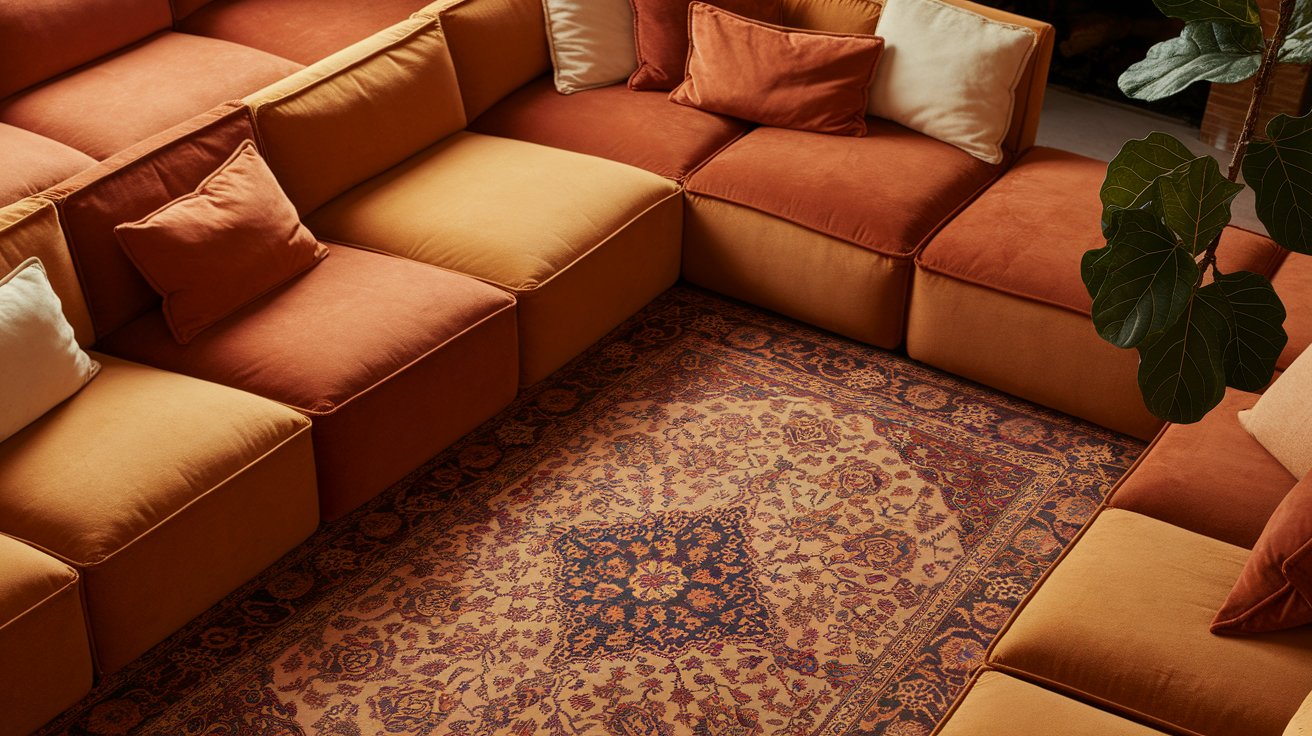
Have you been thinking about getting a sectional sofa for your living room? You’re not alone! More and more families are choosing sectional sofas because they offer plenty of seating and look great too.
Picking the right sectional sofa isn’t just about finding something pretty. You need to think about how much space you have, whether it will be comfortable for your family, and if it matches your home’s style.
In this guide, I’ll walk you through everything you need to know to choose the perfect sectional sofa. By the end, you’ll feel confident about making the right choice for your home.
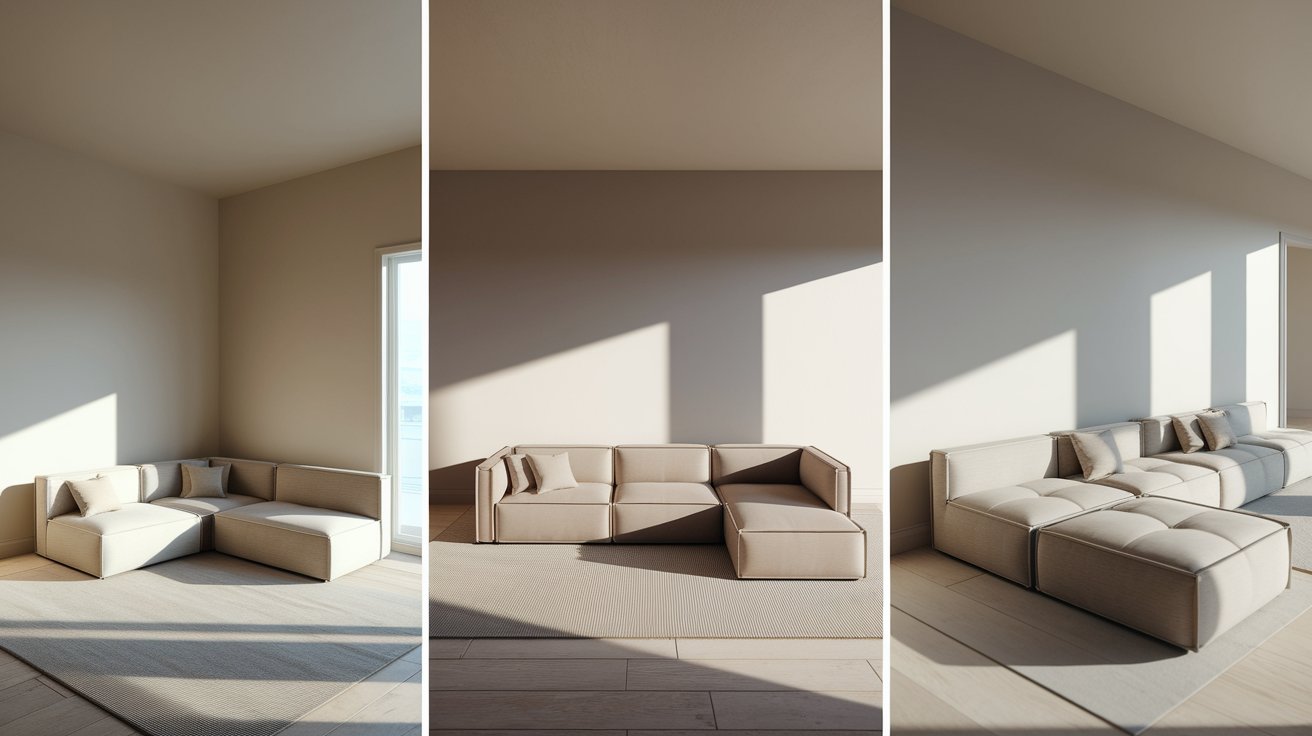
A sectional sofa is a large couch made up of different pieces that fit together. Think of it like puzzle pieces that connect to create one big seating area.
Unlike a regular sofa that’s just one long piece, a sectional has multiple parts. This makes it more flexible and perfect for filling corner spaces.
The most common types you’ll see are:
Before you fall in love with any sectional sofa, grab a measuring tape! This is the most important step, and skipping it could mean your new sofa won’t fit through the door.
Start by measuring your entire room from wall to wall. Write down the length and width. Then measure:
Don’t forget to measure where you want to place the sofa. Use painter’s tape on the floor to mark out the sofa’s size. This helps you see exactly how much space it will take up.
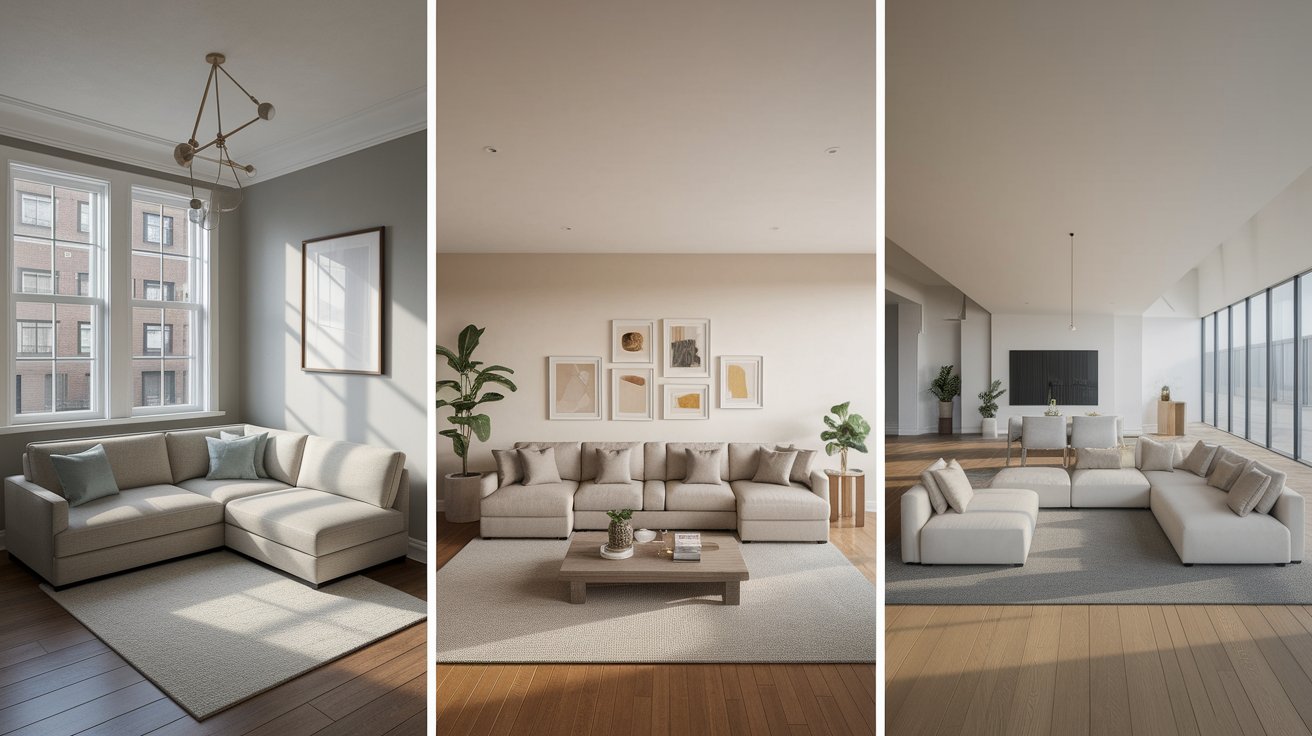
Small apartments: Look for compact sectionals that are 70 to 90 inches long. L-shaped designs work best because they fit snugly in corners without blocking the room.
Medium-sized homes: You have more options here. Sectionals between 90 to 120 inches long usually work perfectly. You can choose L-shaped or smaller U-shaped designs.
Large open spaces: Go big! U-shaped sectionals or large L-shaped ones (over 120 inches) fill the space beautifully. They also create a cozy conversation area in big rooms.
The shape of your sectional sofa changes how your room looks and feels. Let’s look at each type.
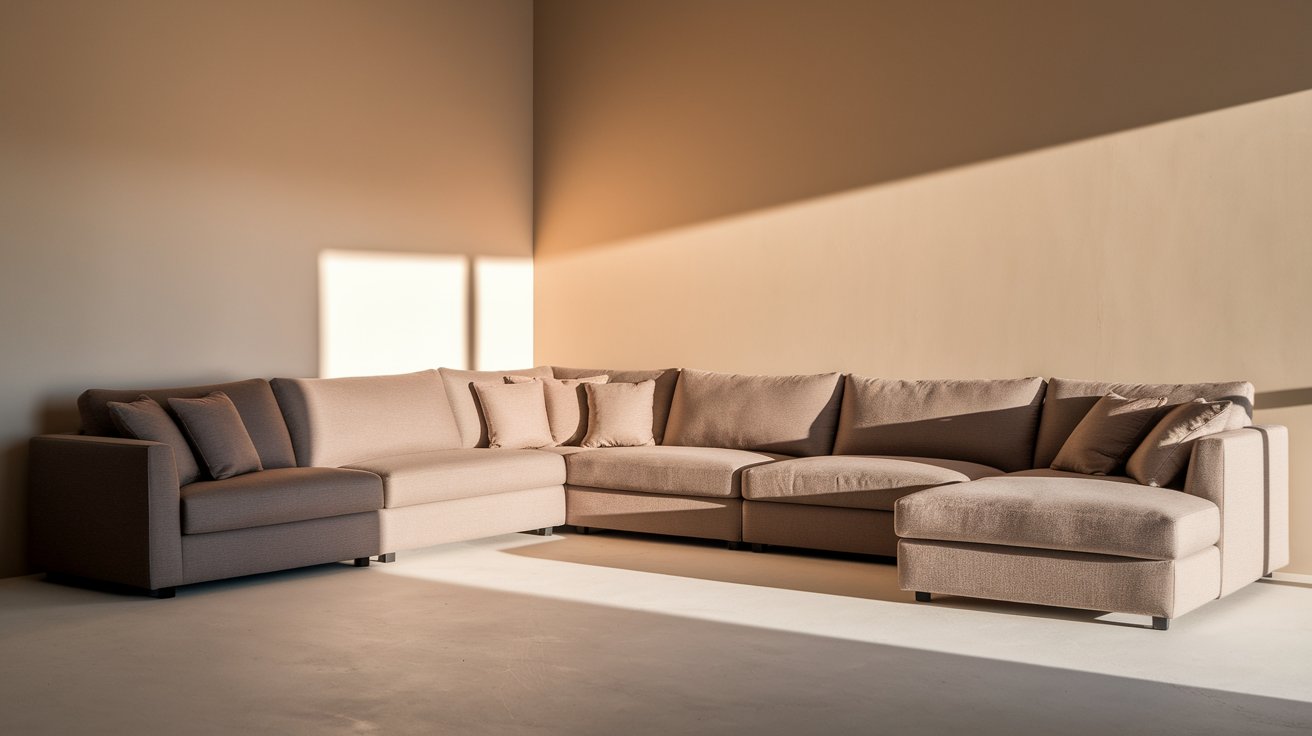
This is the most popular choice! An L-shaped sectional has two sides that meet at a corner.
It’s perfect for small to medium rooms because it fits neatly into corners. You get plenty of seating without the sofa taking over your entire living room.
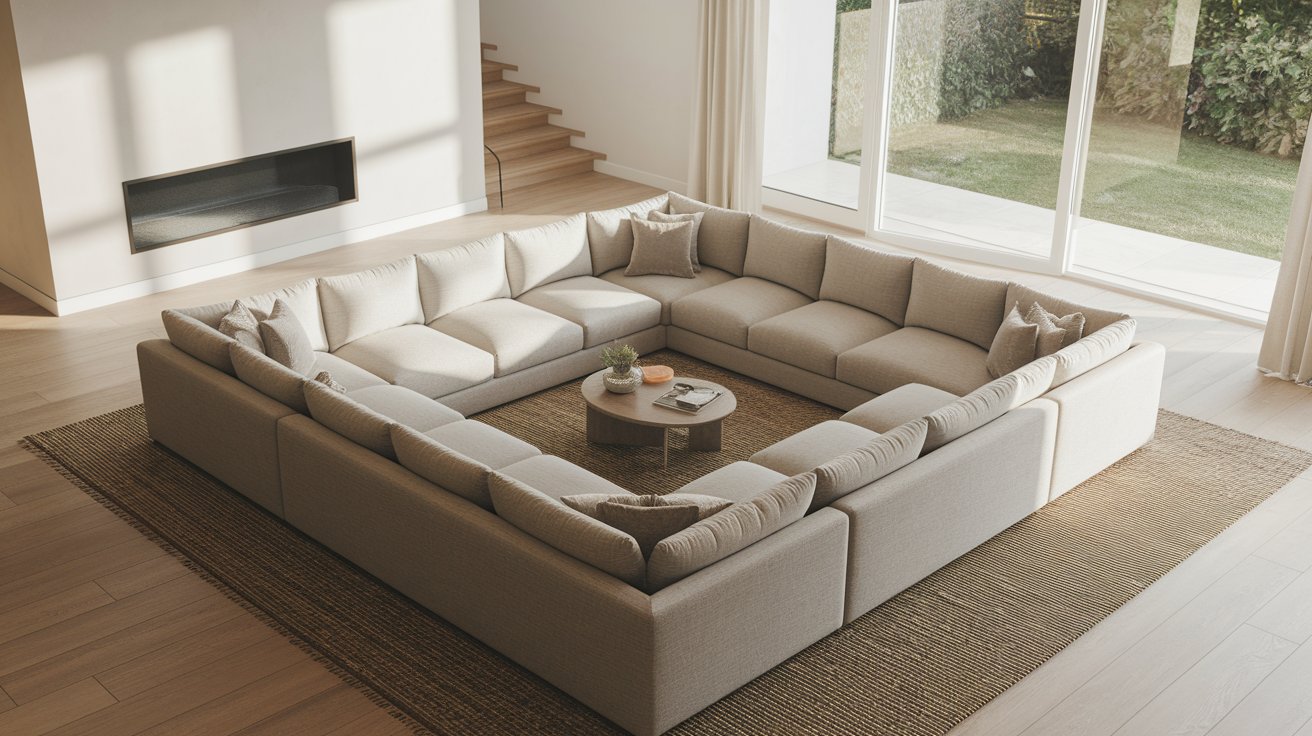
A U-shaped sectional wraps around three sides, creating a cozy seating area that faces inward.
This style is ideal if you have a large family or love hosting friends. Everyone can sit together and see each other easily. Just make sure you have enough room because U-shaped sectionals are quite large.
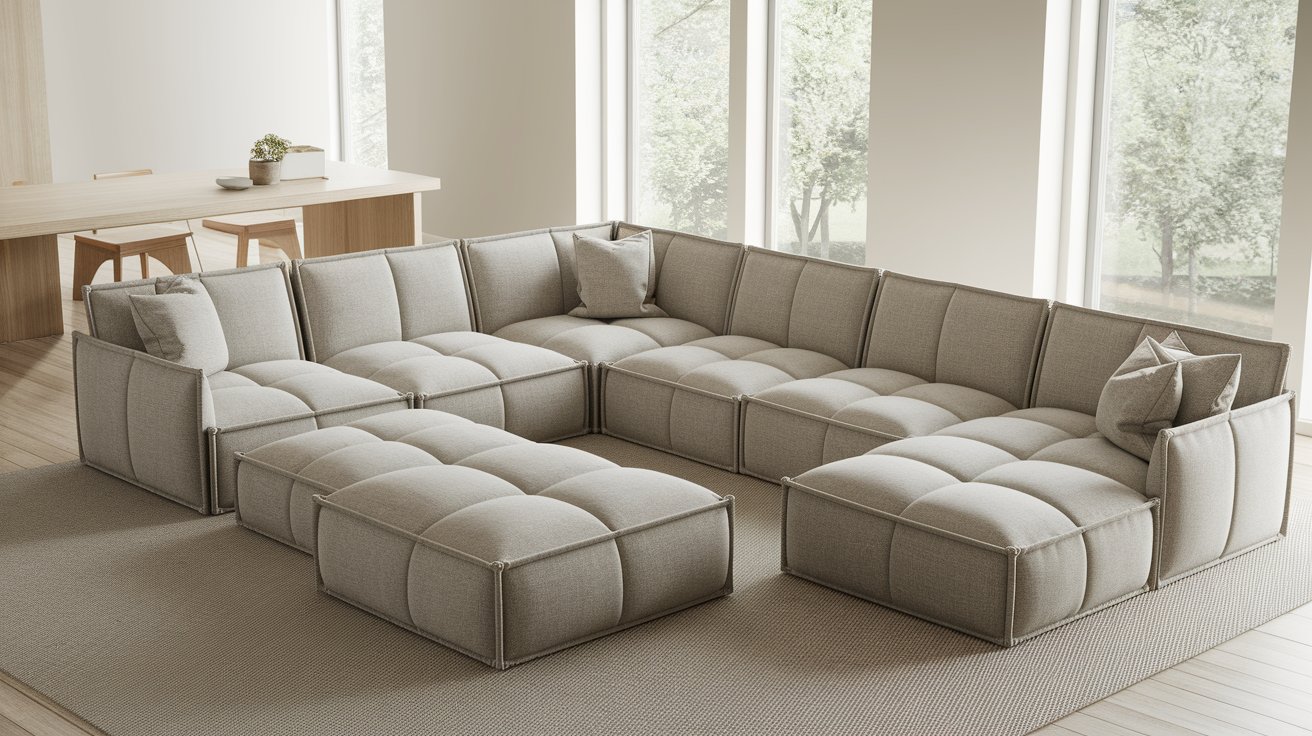
Modular sectionals are made of separate pieces that you can arrange however you want. You can change the setup whenever you like.
This is great if you like rearranging your furniture or might move to a new home. You can adjust it to fit different room layouts.
This part confuses many people, but it’s actually simple!
When you sit on the sofa, which side has the longer part (called the chaise)? If it’s on your left, it’s a left-facing sectional. If it’s on your right, it’s right-facing.
To choose the right one, stand where the sofa will go and look at the room. Which direction would make the most sense? You want the chaise part to face toward the center of the room, not block doorways or windows.
Common mistake: People often order the wrong direction and have to return their sofa. Always double-check before buying!
The material covering your sectional sofa matters a lot. It affects how comfortable the sofa is, how long it lasts, and how much work it takes to keep clean.
Fabric sofas feel soft and cozy. They come in hundreds of colors and patterns, so you’ll find something you love.
Good things about fabric:
Things to watch out for:
Leather sofas look elegant and last a very long time when you take care of them.
Good things about leather:
Things to watch out for:
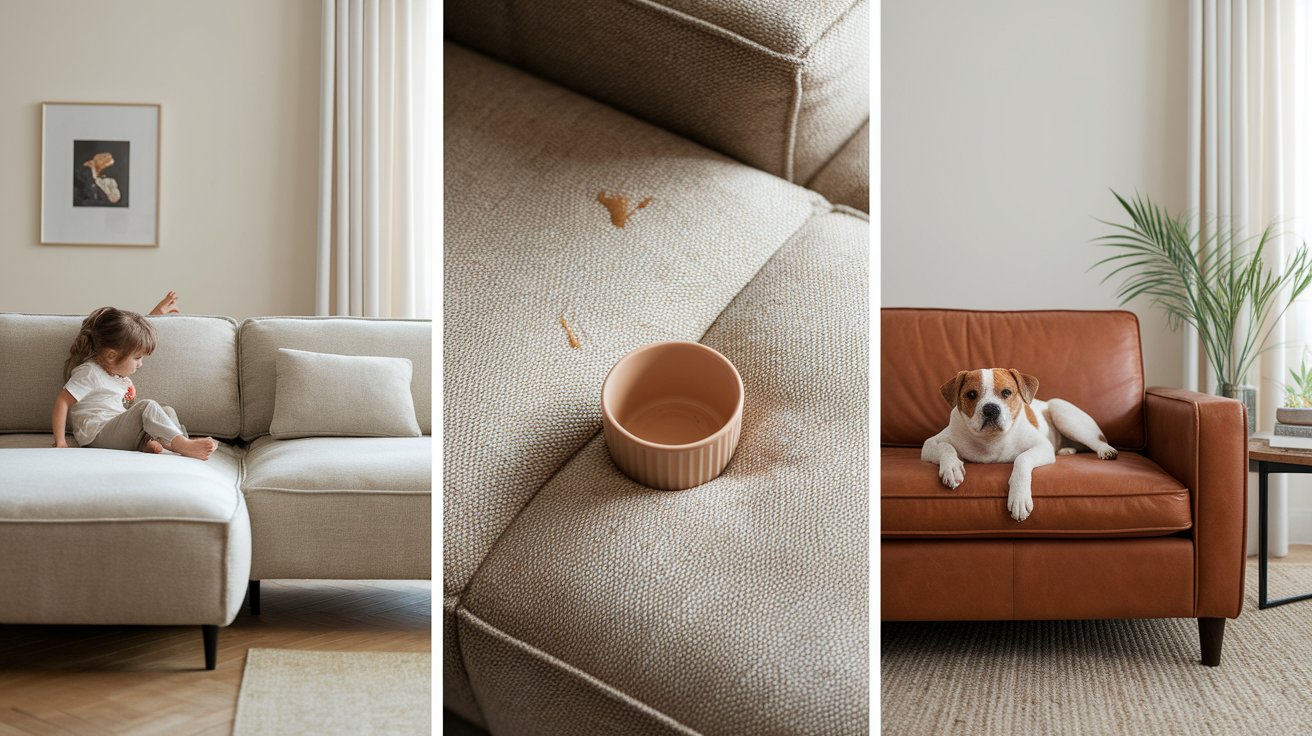
Do you have children or pets? Look for these special materials:
These materials cost a bit more, but they’ll save you lots of headaches later!
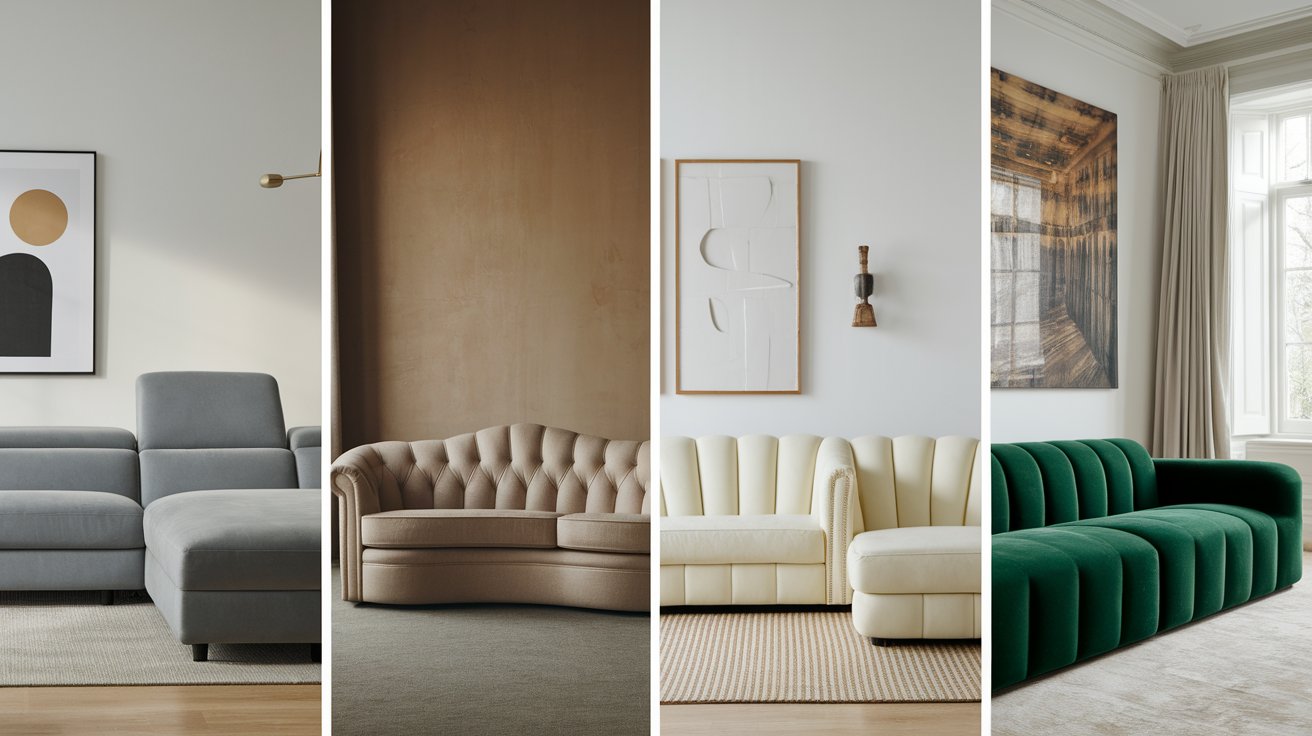
Your sectional sofa will be the biggest piece of furniture in your living room. The color and style should match your home.
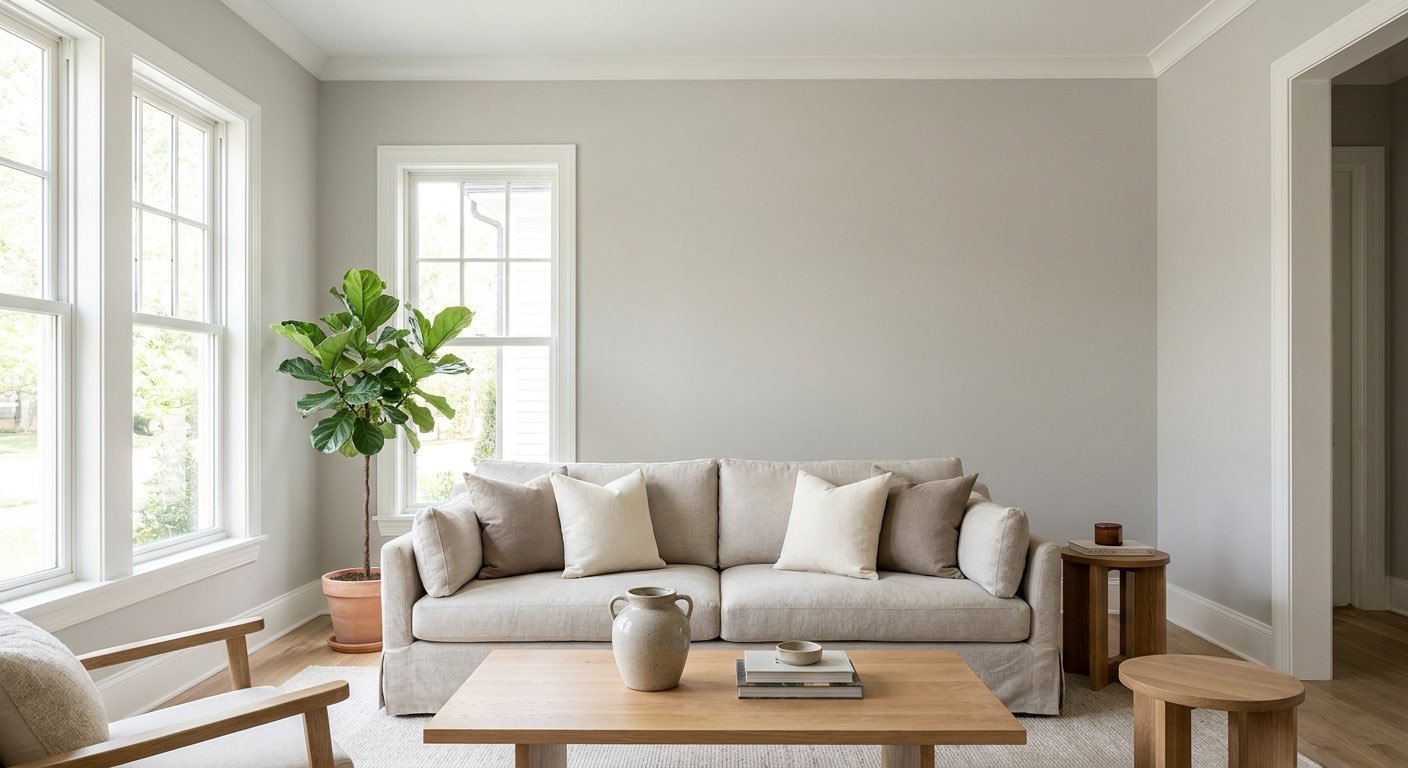
Neutral colors like gray, beige, cream, or navy blue work with almost any décor. They’re safe choices that won’t go out of style. You can also check out our guide on paint shades for living room to find colors that complement your sofa choice.
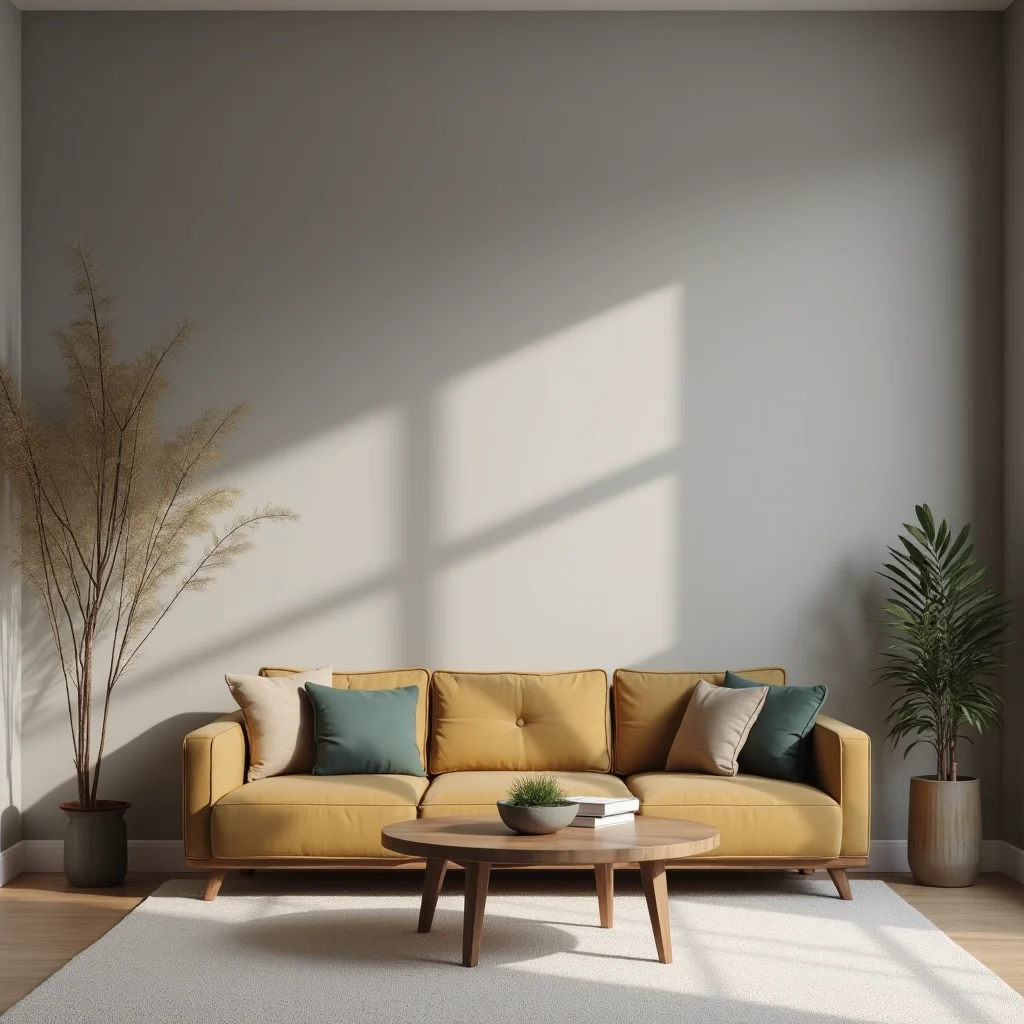
Bold colors like emerald green, burgundy, or mustard yellow make a statement. They’re fun and exciting but might be harder to match with other furniture.
Think about your room’s style too:
A beautiful sofa that hurts to sit on isn’t worth buying. Let’s talk about comfort.
Seat depth is how far back the cushion goes. Most sectionals have 20 to 24 inches of depth. Deeper seats feel more relaxing, but shorter people might find them uncomfortable.
Cushion firmness is personal. Some people like soft, sink-in cushions. Others prefer firm support. If possible, sit on the sofa before buying to test it.
Back support matters if you’ll spend hours watching TV or reading. Higher backs support your whole spine better. The armrest style also affects comfort – some are padded, some are hard, and some are the perfect height for napping!
Modern sectional sofas come with cool extra features. Here are some you might want:
Recliners – Some sectionals have built-in recliners so you can kick back and relax completely. Perfect for movie nights!
Chaise lounges – This is the long part where you can stretch out your legs. Very comfortable for napping.
Storage compartments – Hidden storage under the seats keeps blankets, pillows, or toys out of sight.
Sleeper sectional sofas – These have a pull-out bed hidden inside. Great for guests who need a place to sleep.
Each feature adds to the cost, so think about what you’ll actually use.
Sectional sofas come in a wide price range. You might spend anywhere from $500 to $5,000 or more.
What makes prices different:
Getting the best value:
Remember, a good sectional sofa should last 7 to 15 years. Spending a bit more for quality often saves money in the long run.
Learn from others’ mistakes! Here are the most common problems:
Buying the wrong size – Always measure first! A sofa that’s too big overwhelms your room, while one that’s too small looks strange.
Forgetting about room layout – Think about where people walk, where doors open, and how you use the space. Don’t block important areas.
Choosing looks over comfort – A pretty sofa that hurts to sit on will make you unhappy every single day. Sit on it before buying!
Not thinking about doorways – Many people forget to measure doorways. Make sure the sofa can actually get into your home.
Ignoring your lifestyle – If you have pets or kids, choose practical materials. Don’t buy a white fabric sofa if your dog loves jumping on furniture!
Where you put your sectional sofa changes how your whole room feels. For more ideas on arranging your living space, check out our living room curtain ideas for complementary décor tips.
Against walls – This traditional setup saves space and makes the room feel bigger. Good for smaller homes.
Floating in the room – Pull the sofa away from walls to create a cozy conversation area. This works well in large, open spaces. It also lets you walk behind the sofa.
Corner placement – L-shaped sectionals look natural in corners. This leaves other areas open for different furniture.
Open floor plans – Use your sectional to divide the space. It can separate your living area from the dining area without needing walls.
Read Also: 27 Rustic Living Room with Fireplace Ideas for a Cozy Home
Let’s wrap everything up with a quick checklist:
Long-term care tips:
Choosing the right sectional sofa takes some time and thought, but it’s worth the effort. You’ll use this piece of furniture every single day, so making the right choice means years of comfort and happiness. Take your measurements, think about your needs, and don’t rush the decision. Your perfect sectional sofa is out there waiting for you!
Yes! A small L-shaped sectional actually works great in small rooms. It fits in corners and provides more seating than a regular sofa without taking up extra floor space. Just make sure to measure carefully and choose a compact size.
A good quality sectional sofa typically lasts 7 to 15 years. The exact lifespan depends on the materials used, how well you take care of it, and how much you use it. Leather sectionals usually last longer than fabric ones.
It depends on the type. Modular sectionals are designed to be rearranged into different configurations. Regular L-shaped or U-shaped sectionals have pieces that connect in specific ways, so you can’t change their shape much. If flexibility is important to you, choose a modular design.
For families with kids or pets, performance fabrics and microfiber are best because they resist stains and clean easily. For durability, leather is excellent but costs more. For comfort and style variety, regular upholstery fabrics work well if you’re careful with spills. Choose based on your lifestyle and budget.
Hannah Whitmore is a décor specialist who brings personality, warmth, and style to every space. She focuses on creating inviting and memorable environments with charm and originality. Hannah helps readers achieve timeless and approachable design solutions. Outside of work, she enjoys exploring markets and cultural traditions, visiting botanical gardens, and drawing inspiration from creative spaces and surroundings worldwide to enhance her unique design perspective.


No Comments