


12 Modern Christmas Decor Ideas Garland for Every Room
There's something magical about walking into a home decorated with



Do you feel tired and worried all the time? Does your mind feel busy even when you’re trying to rest? You’re not alone. Millions of people deal with stress every day.
The good news is that you can learn effective stress management techniques to handle stress better. Scientists have studied many ways to reduce stress, and some methods really work.
These aren’t just random tips. They’re based on real research done by doctors and scientists. Best of all, most of them are free and don’t take much time.

Before we talk about solutions, let’s understand what stress does to you.
When something worries you—like a big test, money problems, or work deadlines—your body reacts. Your heart beats faster. Your muscles get tight. You might feel your stomach turning.
This happens because your brain thinks you’re in danger. It sends out special chemicals called stress hormones. The main one is called cortisol.
This response was helpful when humans faced wild animals long ago. But today, our bodies react the same way to an angry boss or a pile of bills. The problem is that modern stress doesn’t go away quickly. It stays with us day after day.
When stress lasts too long, it can make you sick. You might get headaches, stomach problems, or trouble sleeping. You might feel sad or angry more often. Your memory might not work as well.
That’s why learning to manage stress is so important. It’s not just about feeling better—it’s about staying healthy.
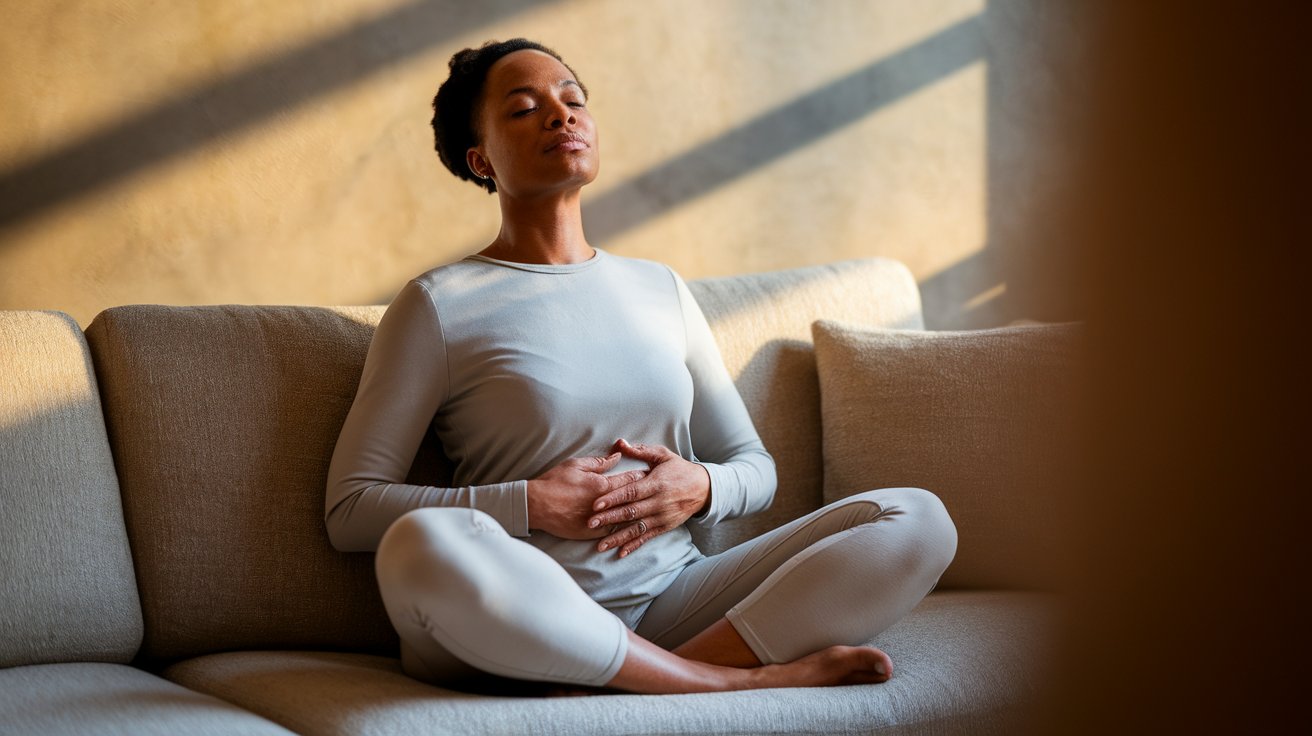
Deep breathing means taking slow breaths using your belly instead of just your chest. When you breathe deeply, your stomach should move in and out.
When you breathe slowly and deeply, you tell your body to relax. This happens because breathing affects a special nerve that connects your brain to your belly. When you activate this nerve, your body stops making stress chemicals. Your heart slows down. You start to feel calmer.
Scientists have tested this many times. They found that people who practice deep breathing have less stress and feel less worried.
The best part? Deep breathing works fast. You can feel better in just a few minutes.
Here are three easy breathing methods:
Box Breathing:
4-7-8 Breathing:
Belly Breathing:
Try deep breathing twice a day—maybe in the morning and before bed. Also use it whenever you feel stressed, like before a meeting, in traffic, or when you’re feeling upset.
Even 5 minutes a day helps. The more you practice, the easier it gets.

When you move your body, amazing things happen. Your body makes less stress chemicals. At the same time, it creates natural “feel-good” chemicals called endorphins. These make you feel happier and more relaxed.
Exercise also helps all your body systems work better together. The more you exercise, the better your body handles stress.
Studies show that people who exercise regularly feel less worried and sad. Even one workout can help you handle stress better for the rest of the day.
You don’t need to run marathons or lift heavy weights. Simple movement works great:
Walking: Just 30 minutes of walking can reduce worry and improve your mood. Walking outside in nature works even better.
Yoga: This combines movement with breathing. Many studies show that yoga lowers stress and helps you feel more peaceful.
Dancing: Put on music you love and move around. Dancing is fun and great for stress relief.
Swimming or Biking: These smooth, repeated movements calm your mind while making your body stronger.
Simple Stretching: Even 10 minutes of gentle stretching can release tension from your muscles.
Experts say adults should aim for 150 minutes of movement each week. That’s about 20-30 minutes most days.
But even small amounts help. A 10-minute walk is better than nothing. The key is to do something most days.
Don’t have much time? Try these ideas:
Pick activities you enjoy. If you like it, you’ll keep doing it.
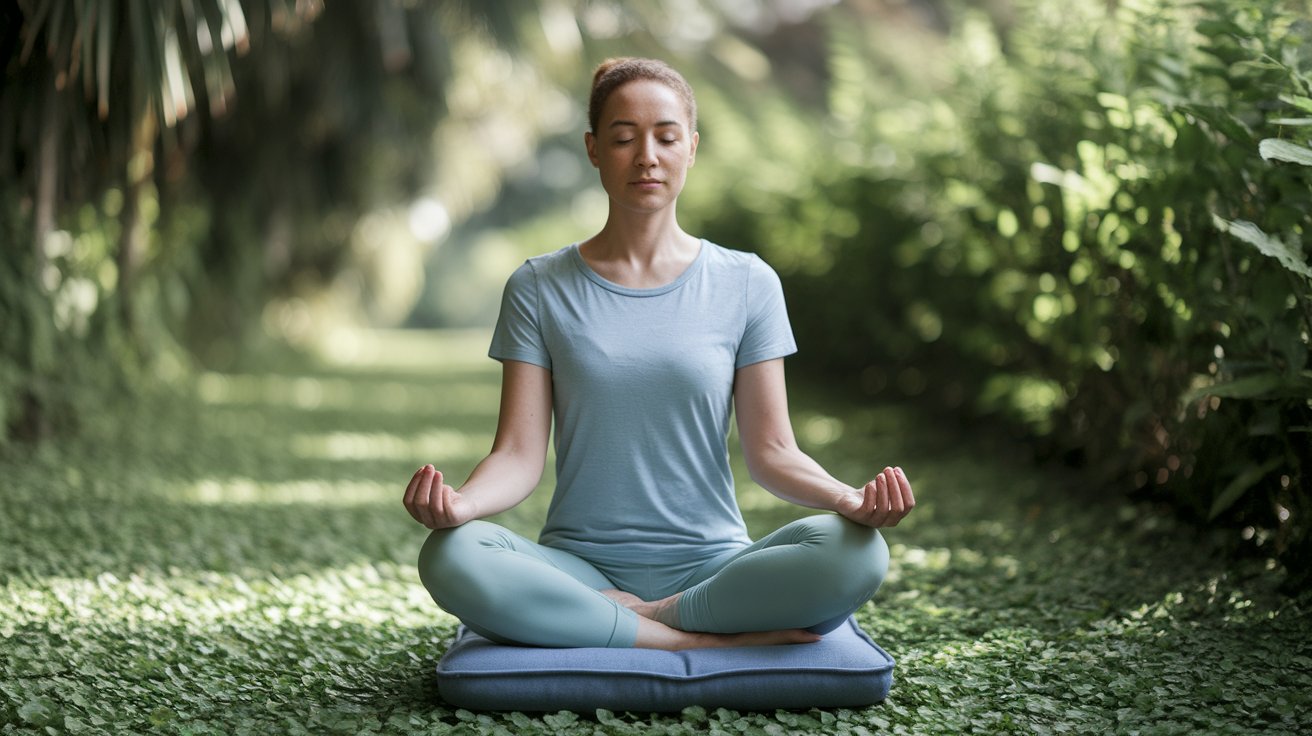
Mindfulness means paying attention to right now, at this moment. Instead of worrying about tomorrow or thinking about yesterday, you focus on what’s happening now.
You notice your thoughts without judging them. You don’t try to stop thinking. You just watch your thoughts come and go, like clouds in the sky.
Scientists have done hundreds of studies on mindfulness. The results are clear: mindfulness really works.
People who practice mindfulness regularly feel less stressed and worried. Brain scans show that mindfulness actually changes your brain. The part that creates fear and worry gets smaller. The part that helps you learn and stay calm gets bigger.
One study followed thousands of people and found that mindfulness programs clearly improved worry, sadness, and stress.
Here’s a simple mindfulness practice anyone can do:
You can also be mindful during regular activities:
Many people notice small improvements within a week or two. Bigger changes happen after about 8 weeks of daily practice.
But remember: even 5 minutes a day helps. Start small and build from there.

Sleep and stress are connected. When you’re stressed, you can’t sleep well. When you don’t sleep well, everything feels more stressful.
When you’re tired, small problems feel huge. You get upset more easily. You can’t think clearly. Your body makes more stress chemicals.
Good sleep fixes all of this. During sleep, your body resets. It processes the day’s stress. It balances your hormones. It heals and repairs itself.
Most adults need 7-9 hours of sleep each night. Some people need a little more, some need a little less. But less than 6 hours usually isn’t enough.
The quality of sleep matters too. Seven hours of deep, peaceful sleep is better than nine hours of tossing and turning.
Keep a Regular Schedule: Try to go to bed and wake up at the same time every day, even on weekends. This helps your body know when to feel sleepy.
Create a Bedtime Routine: Start winding down 60-90 minutes before bed. You might read, take a warm bath, or do gentle stretches. This tells your brain it’s time to sleep.
Avoid Screens Before Bed: The light from phones, tablets, and computers tricks your brain into thinking it’s daytime. Try to stop using screens at least one hour before bed.
Make Your Bedroom Sleep-Friendly:
Watch Your Caffeine: Coffee, tea, energy drinks, and even chocolate have caffeine. Don’t have these after 2 PM if you want to sleep well at night.
Write Down Worries: If racing thoughts keep you awake, write them down before bed. Make a list of what you’re worried about and what you’ll do tomorrow. This helps your brain let go for the night.

Do you have a long to-do list that never gets shorter? Do you feel like you’re always behind? This creates a special kind of stress.
When you have too many things to do and no clear plan, your brain stays in panic mode. You’re always worried about what you’re forgetting. You never feel like you’re making progress.
When you have a clear plan, you know what to do next. Your brain can relax because it’s not trying to remember everything. You make progress on important things instead of just reacting to whatever pops up.
Good planning doesn’t mean working harder. It means working on the right things.
Time Blocking: Instead of keeping a list, put tasks into your calendar. Give each task a specific time slot. This helps you see how much time you really have.
The Important vs. Urgent Method:
Focus on Three Things: Each day, pick your top three priorities. Ask yourself: “If I only finish three things today, what would make today successful?” Do these first, before other tasks.
One Thing at a Time: Don’t try to do multiple things at once. Your brain can’t really multitask. Finish one thing, then move to the next.
Spend 10 minutes each morning or evening planning your next day. Write down your top three priorities. This simple habit reduces stress and helps you feel more in control.

Humans are social creatures. We need each other. When you’re dealing with stress alone, it feels worse. When you share stress with supportive people, it becomes easier to handle.
Connecting with others triggers helpful chemicals in your brain. These chemicals reduce stress and make you feel calmer and happier.
Studies show that people with good friendships and family relationships live longer, healthier, happier lives. They handle stress better. They get sick less often. They recover faster when bad things happen.
One famous study followed people for over 80 years. The biggest finding? Good relationships keep us happy and healthy. Nothing else was more important—not money, not fame, not success.
The quality of relationships matters more than the number. Three close friends you trust are better than 100 casual acquaintances.
Deep Conversations: Talking honestly with someone you trust provides powerful stress relief. Share your worries. Listen to theirs. Let someone really know you.
Laughter: Watching funny movies with friends, sharing jokes, or just being playful together releases feel-good chemicals in your brain.
Physical Touch: Hugs, holding hands, or a pat on the back from people you trust actually reduces stress chemicals in your body.
Helping Others: Doing something nice for someone else makes you feel good too. Volunteer, help a neighbor, or just listen to a friend who needs to talk.
Small Daily Interactions: Even brief friendly moments help—chatting with your neighbor, thanking the cashier, or small talk with coworkers. These tiny connections add up.
You don’t need hours. Even 15 minutes on the phone with a friend helps. Eating meals together matters. When you’re with people, put your phone away and really pay attention to them.
Join groups based on your interests—book clubs, walking groups, hobby clubs, or volunteer organizations. These give you regular chances to connect without requiring lots of planning.
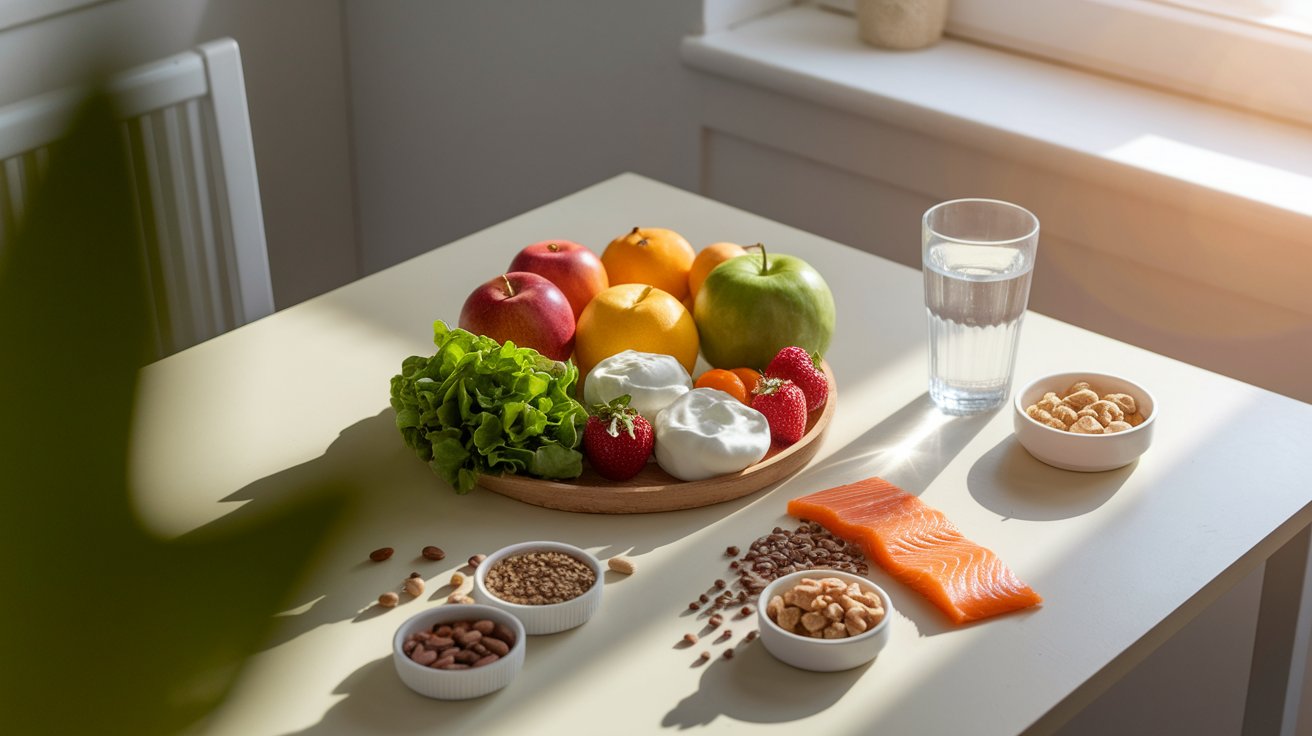
What you eat and drink directly affects how stressed you feel. Some foods make stress worse. Other foods help your body handle stress better.
Caffeine: Coffee and energy drinks can make you feel more nervous and worried. They trigger the same chemicals your body makes when you’re stressed. If you’re already stressed, caffeine makes it worse.
Sugar: Candy, soda, and sweet snacks cause your blood sugar to spike up and then crash down. This rollercoaster stresses your body and makes your mood go up and down.
Your body needs certain nutrients to handle stress well:
Magnesium: Found in green vegetables, nuts, seeds, and beans. Helps your body stay calm.
Omega-3s: Found in fish (like salmon), walnuts, and flaxseeds. Reduces worry and stress.
B Vitamins: Found in leafy greens, beans, eggs, and fish. Help your brain work better.
Vitamin C: Found in oranges, strawberries, peppers, and broccoli. Helps control stress chemicals.
Healthy Bacteria (Probiotics): Found in yogurt, kefir, and fermented foods. Your gut health affects your stress levels.
You don’t need to change everything at once. Try these simple swaps:
Even being a little dehydrated makes stress worse. It’s harder to think clearly. Tasks feel more difficult. Your mood gets worse.
Keep a water bottle with you. Drink throughout the day. Start and end your day with a glass of water.
If plain water is boring, add slices of lemon, cucumber, or berries for flavor.
|
Method |
How It Helps |
Time Needed |
Best For |
|
Deep Breathing |
Calms you down fast |
5-10 minutes |
When you need quick relief, before stressful events |
|
Exercise |
Improves mood, reduces stress chemicals |
20-30 minutes most days |
Overall health, chronic stress, boosting energy |
|
Mindfulness |
Reduces worry, helps you stay calm |
10-20 minutes daily |
Racing thoughts, anxiety, emotional reactions |
|
Better Sleep |
Resets your body’s stress system |
7-9 hours nightly |
When you’re tired, moody, or can’t think clearly |
|
Better Planning |
Reduces feeling overwhelmed |
10-20 minutes daily |
Too many tasks, work stress, feeling behind |
|
Social Connection |
Makes you feel supported |
Even brief moments help |
Loneliness, needing perspective, life changes |
|
Healthy Eating |
Stabilizes mood and energy |
Ongoing daily choices |
Physical symptoms, energy crashes, health |
All seven methods work, but you don’t need to do everything at once. Here’s how to begin:
Pick One Method First: Look at the list and choose one that feels right for you. What do you need most right now? Better sleep? More movement? Help with planning?
Start Small: Don’t try to be perfect. If you choose exercise, start with a 10-minute walk, not an hour at the gym. If you choose mindfulness, start with 5 minutes, not 30.
Do It Daily: Consistency matters more than perfection. Five minutes every day beats an hour once a week.
Add More Slowly: After a few weeks, when your first habit feels natural, add a second method. Take your time.
Mix Methods: The best approach often combines two or three methods. Maybe you start with breathing exercises, add some daily walking, and improve your sleep. This gives you multiple ways to handle stress.
Trying Everything at Once: This adds more stress! Pick one or two methods to start.
Giving Up Too Soon: Most habits take 2-3 weeks to feel natural. Stick with it.
Being Too Hard on Yourself: If you miss a day, that’s okay. Just start again tomorrow.
Waiting for Perfect Conditions: You’ll never have perfect time or energy. Start now with what you have.
Stress is part of life. You can’t avoid it completely. But you can use effective stress management techniques to handle it better.
These seven methods aren’t magic. They require some effort. But they really work. Thousands of studies prove it. Millions of people have used these techniques to feel calmer and happier.
You don’t need to do everything perfectly. You don’t need to master all seven methods. Just start with one thing today.
Maybe you’ll try five minutes of deep breathing. Maybe you’ll take a short walk. Maybe you’ll go to bed 30 minutes earlier tonight. Whatever you choose, you’re taking a step toward a less stressed, healthier you.
Remember: small changes add up. Every deep breath helps. Every walk matters. Every good night of sleep makes tomorrow better.
You deserve to feel calm and peaceful. You deserve to enjoy your life. These tools can help you get there.
Pick one method from this article. Try it for just five minutes right now. Notice how you feel. Then do it again tomorrow. You’ve got this.
Some methods work immediately. Deep breathing can calm you in minutes. Exercise improves your mood within hours. Other changes, like mindfulness and better planning, take a few weeks of consistent practice. Most people notice they feel better within 1-2 weeks if they practice daily.
There’s no single “best” method because everyone is different. The best technique for you is the one you’ll actually do regularly. Try different methods and see what feels good.
No! Most of these methods are completely free. Walking, breathing exercises, planning with paper and pen, connecting with friends—none of these cost money. You might choose to spend money on things like a gym membership or yoga classes, but it’s not necessary.
You probably have more time than you think. Most of these methods take just 5-20 minutes. You can do breathing exercises while sitting at your desk. You can practice mindfulness while washing dishes. You can walk during your lunch break. Start with whatever time you have.
These methods work well for everyday stress and mild worry. For serious anxiety disorders, you might need professional help. These techniques can work alongside therapy or medicine. Talk to a doctor if your stress or worry is severe.
Alex Carter is a lifestyle and wellness guide with over a decade of experience helping people live balanced, intentional, and fulfilling lives. He provides practical guidance to support personal growth, well-being, and overall life improvement. Alex enjoys exploring lifestyle trends, discovering innovative ideas, and drawing inspiration from everyday experiences. His work empowers readers to enhance their lives with confidence, purpose, and meaningful approaches to living well.








No Comments